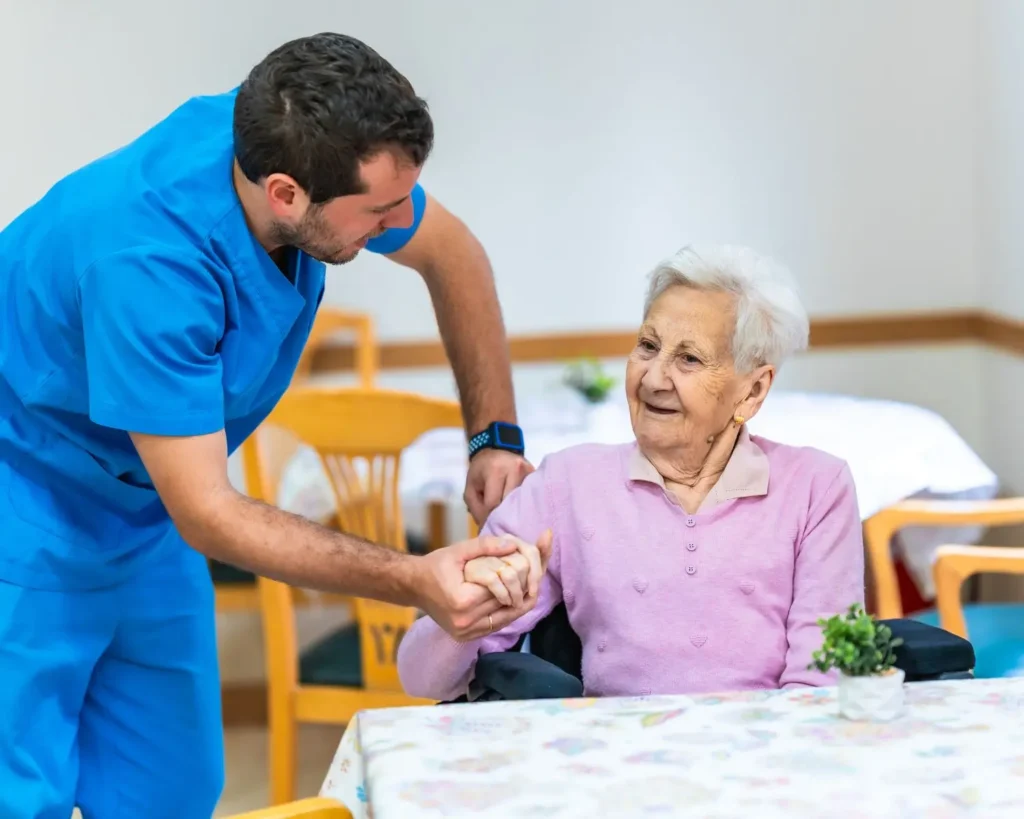
Home health skilled nursing
Recovering from surgery, managing a chronic illness, or healing after a hospital stay requires more than just medications and follow-up appointments. Patients need consistent communication between healthcare providers to ensure every part of their treatment plan works together. That is exactly where home health skilled nursing becomes valuable. By bringing licensed nursing care directly into the home while maintaining close communication with a patient’s primary care physician, this service helps improve recovery, prevent complications, and reduce unnecessary hospital visits.
Across the United States, healthcare providers increasingly recommend home health skilled nursing because coordinated care leads to better patient outcomes. According to the Centers for Medicare & Medicaid Services (CMS), home health programs have become an important part of post-hospital recovery, helping patients receive clinical care while remaining in familiar surroundings. Instead of managing treatment through separate providers, patients benefit from a connected healthcare team working toward the same recovery goals.
Many families assume that once a patient returns home, communication between doctors and nurses becomes limited. In reality, home health skilled nursing is built around regular collaboration with primary care physicians. Nurses provide updates, monitor changes in health, report concerns quickly, and ensure physician recommendations are followed accurately between office visits.
In this guide, we’ll explain how home health skilled nursing coordinates with your primary care physician, why this partnership matters, and how it improves patient safety, recovery, and long-term health outcomes.
Why Coordination Between Nurses and Physicians Matters
One of the biggest challenges in healthcare is maintaining consistent communication after a patient leaves the hospital. Many medical complications occur because important changes in symptoms go unnoticed until the patient requires emergency treatment. Home health skilled nursing helps close this communication gap by serving as the connection between patients and their physicians.
During each home visit, nurses carefully evaluate the patient’s condition, review medications, monitor vital signs, inspect wounds, and assess recovery progress. Any concerns are documented and communicated directly to the primary care physician. This allows treatment plans to be adjusted before small issues become major medical problems.
According to the Agency for Healthcare Research and Quality (AHRQ), better communication among healthcare providers significantly reduces medical errors and improves patient safety. Home health skilled nursing supports this goal by ensuring physicians receive timely updates from licensed professionals who regularly observe the patient’s condition at home.
Many patients also receive skilled nursing care at home following surgery or hospitalization. These visits provide physicians with valuable clinical information that cannot always be gathered during occasional office appointments, allowing treatment decisions to be based on current health status rather than outdated reports.
How the First Communication Process Begins
The coordination between home health skilled nursing and a primary care physician begins before the nurse arrives for the first home visit. After the physician determines that home-based clinical care is medically necessary, a referral is created outlining the patient’s diagnosis, treatment goals, medications, and required nursing services.
The assigned nurse reviews these physician orders before meeting the patient. During the initial assessment, additional information is gathered regarding mobility, pain levels, nutrition, medications, wound healing, chronic disease management, and overall recovery. This evaluation becomes the starting point for ongoing communication between the nurse and physician.
Following the assessment, home health skilled nursing professionals prepare detailed clinical documentation describing the patient’s condition and any immediate concerns. These reports help physicians confirm that treatment plans remain appropriate or determine whether modifications are necessary.
From my conversations with caregivers, many are surprised by how detailed this communication process actually is. Families often assume nurses simply complete medical tasks during visits, but much of their work involves documenting patient progress so physicians can make informed healthcare decisions.
Medication Management and Ongoing Health Monitoring
Medication errors remain one of the leading causes of preventable hospital readmissions in the United States. According to the Centers for Disease Control and Prevention (CDC), medication-related complications affect millions of Americans each year. Home health skilled nursing plays a critical role in preventing these issues through continuous monitoring and physician communication.
During home visits, nurses review every prescription, over-the-counter medication, and supplement the patient is taking. They confirm proper dosage schedules, identify possible drug interactions, monitor side effects, and educate patients about medication safety. If unexpected reactions occur, the primary care physician receives immediate updates.
Home health skilled nursing also monitors vital signs such as blood pressure, heart rate, oxygen levels, blood glucose, weight changes, and respiratory status. Even subtle changes may indicate worsening medical conditions requiring physician intervention before hospitalization becomes necessary.
Patients receiving skilled nursing care at home for diabetes, heart failure, COPD, kidney disease, or hypertension especially benefit from this close monitoring. Continuous communication allows physicians to adjust medications quickly while reducing unnecessary emergency room visits.
Coordinating Specialized Treatments at Home
Beyond routine monitoring, home health skilled nursing coordinates many specialized medical treatments under physician supervision. These services often include wound care, IV therapy, injections, catheter management, ostomy care, post-surgical monitoring, and chronic disease education.
Every treatment performed by the nurse follows physician-approved care plans. If wound healing slows, pain increases, or new symptoms develop, the nurse immediately communicates these findings to the physician. Treatment adjustments are then implemented without delaying care.
For example, a patient recovering from knee replacement surgery may receive skilled nursing care at home to monitor incision healing, manage pain medications, and evaluate mobility progress. When the nurse notices increased swelling or signs of possible infection, the physician can quickly prescribe additional treatment before complications become severe.
This coordinated approach reduces treatment delays while helping patients recover safely without frequent travel to medical offices. Home health skilled nursing ensures physician instructions are carried out consistently while keeping healthcare providers informed throughout recovery.
Real-World Examples from the United States
Hospitals and healthcare systems across the United States increasingly rely on coordinated home healthcare programs to improve patient outcomes. Research published by the Centers for Medicare & Medicaid Services shows that effective home-based care contributes to lower readmission rates for many post-hospital patients.
One example involved a patient in Ohio recovering from congestive heart failure. The physician referred the patient for home health skilled nursing after discharge. During regular visits, the nurse monitored weight changes, blood pressure, medication adherence, and breathing patterns. When early signs of fluid retention appeared, the physician adjusted medications immediately, preventing another hospitalization.
Another patient in Arizona recovering from abdominal surgery received skilled nursing care at home following discharge. During wound assessments, the nurse identified early signs of infection and contacted the surgeon the same day. Antibiotic treatment began quickly, preventing the need for emergency surgical intervention.
These real-world examples highlight why coordinated communication remains central to home health skilled nursing. Early identification of medical concerns allows physicians to respond quickly while improving recovery and reducing healthcare costs.
The Long-Term Benefits of Collaborative Care
The partnership between home health skilled nursing and primary care physicians extends beyond immediate recovery. Patients managing chronic illnesses often require ongoing monitoring, education, and treatment adjustments over many months or even years.
Regular communication allows physicians to identify long-term health trends instead of relying solely on occasional office appointments. Nurses observe patients in their everyday environment, providing insights into medication adherence, nutrition, mobility, safety concerns, and overall quality of life.
Families also gain confidence knowing licensed professionals continuously monitor health changes between physician visits. Questions that might otherwise wait several weeks for an appointment can often be addressed immediately through nurse-to-physician communication.
Personally, I believe this collaboration is one of the greatest strengths of modern home healthcare. It creates a healthcare experience where patients never feel like they are managing recovery alone. Instead, physicians, nurses, caregivers, and family members become part of one coordinated support system focused on long-term wellness.
Conclusion
Successful recovery depends on more than medical treatment alone. It requires clear communication, timely decision-making, and coordinated care among every healthcare professional involved. Home health skilled nursing provides this essential connection by keeping primary care physicians informed about patient progress while delivering professional clinical care directly in the home.
Whether monitoring medications, evaluating wounds, managing chronic diseases, or providing skilled nursing care at home after surgery, licensed nurses ensure physician treatment plans are followed accurately and adjusted when necessary. This ongoing collaboration reduces medical complications, improves patient safety, and helps prevent avoidable hospital readmissions.
As healthcare continues to focus on patient-centered treatment across the United States, home health skilled nursing has become an essential part of coordinated medical care. By working closely with primary care physicians, patients receive more personalized treatment, better health outcomes, and the confidence of knowing their recovery is supported by an experienced healthcare team every step of the way.