The fire trucks leave, and the house is still standing. That’s a relief. It’s also when the real work begins.
Sanger fire damage restoration usually moves through several phases, some fast and some slow. Each one handles a different kind of damage. Fire burns things, sure, but smoke spreads, soot settles, and the water used to put the fire out soaks into everything. Here’s how it typically goes, from the first night to the last coat of paint.
Securing the Property
Fires often leave broken windows, damaged doors, and holes in the roof, either from the fire itself or from firefighters ventilating the house. An open house invites rain, animals, and theft.
Board-up is usually the first job. Utilities often need attention too, since gas and electric service may have been shut off and shouldn’t be restored until the system is checked.
Board-up itself is fairly quick. Crews cover openings with plywood and tarp damaged roof sections. It’s not glamorous work, but most insurance policies expect homeowners to take reasonable steps to prevent further damage, and securing the house is part of that.
Assessment and Documentation
Before cleanup starts, a technician walks the whole property. They’re checking structural damage, how far smoke and soot traveled, and where water from firefighting ended up. Rooms that never saw a flame can still have heavy smoke damage.
Everything gets photographed and recorded. That record matters for your insurance claim, and it’s much harder to rebuild after cleanup has already started. If you can, take your own photos too, and start a list of damaged belongings while it’s fresh in your mind.
Dealing With the Water
This part surprises people. A house fire can involve hundreds or even thousands of gallons of water from hoses, and all of it has to go somewhere. It soaks carpets, drywall, insulation, and subfloors.
Left alone, that water can lead to mold within a couple of days. So water extraction and drying often happen early, alongside or right after the board-up. Dehumidifiers and air movers usually run for several days while technicians track moisture levels.
Removing Soot and Smoke
Soot cleanup depends on what burned. Fast, hot fires tend to leave dry, powdery soot. Smoldering fires involving plastics and synthetics leave oily residue that smears. Kitchen fires leave a thin protein film that can be nearly invisible but smell strong.
Each type needs a different approach, and the wrong one can push soot deeper into surfaces. Technicians generally start with dry cleaning methods and then move to wet cleaning with products matched to the residue.
The HVAC system gets attention too. Ducts can carry soot to every room, and if they aren’t cleaned, the system can redistribute it after the rest of the house is clean.
Contents and Odor
Furniture, clothing, electronics, and personal items are often packed out and cleaned off-site while work continues in the house. Some things clean up well. Others, especially soft items that absorbed a lot of smoke, may not be worth saving.
A pack-out inventory is part of this. Items are listed, photographed, and tracked as they leave the house, which helps with your insurance claim and makes it easier to know what’s coming back and what isn’t.
Smoke odor usually needs its own treatment. Depending on the job, that can include air scrubbers with HEPA and carbon filters, thermal fogging, or sealing affected framing and drywall with an odor-blocking primer before repainting.
Repairs and Rebuild
While all this is going on, you may not be able to live at home. Many homeowners policies include loss-of-use or additional living expense coverage, which can help pay for temporary housing during repairs. It’s worth asking your agent about it in the first few days.
Rebuilding is the longest phase. It can range from replacing drywall and repainting a few rooms to major structural work, depending on the fire. Timelines here depend heavily on insurance approval and material availability.
If you’d like a closer look at each stage, the fire damage restoration page for Sanger walks through how the process is handled for local homes.
One Phase at a Time
Fire recovery is a lot to take in, and it helps to think of it in phases. Secure the house. Document everything. Get the water out. Clean the soot and smoke. Handle the contents and odor. Then rebuild. Doing them in the right order keeps one kind of damage from causing another.
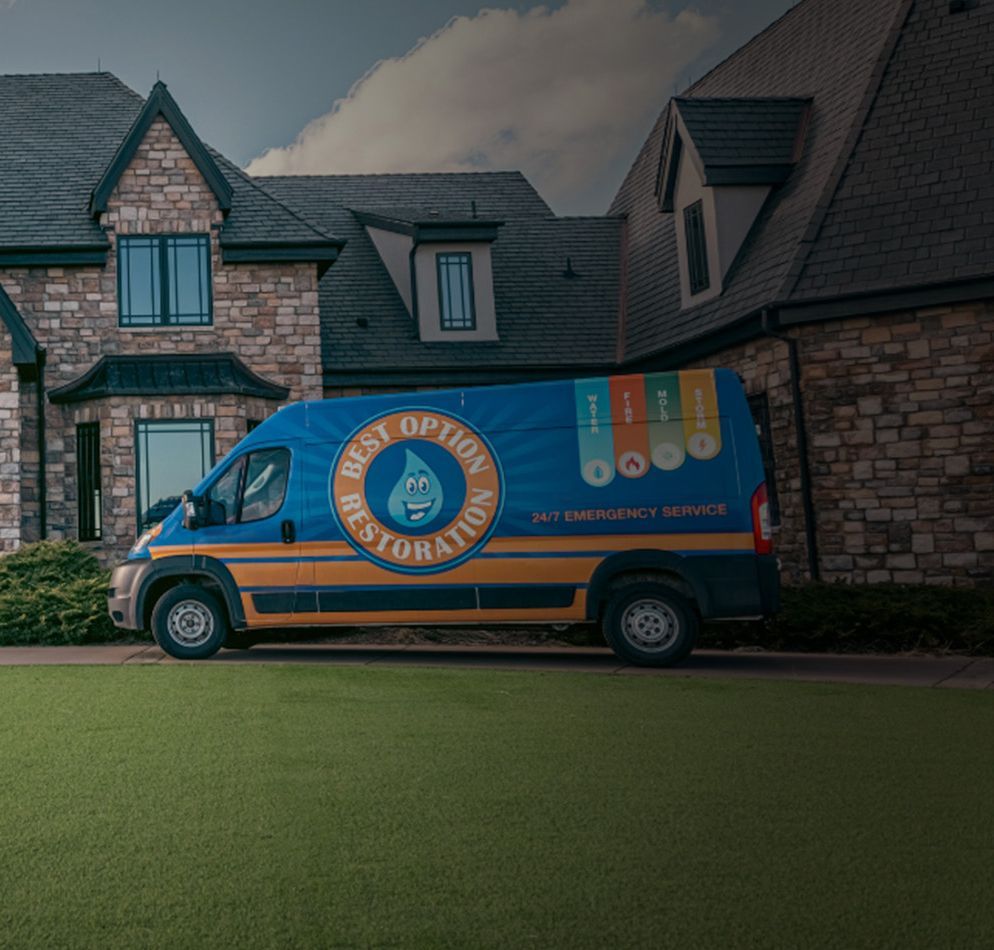
Best Option Restoration of Denton handles every one of those phases for Sanger homeowners, starting with emergency board-up and continuing through final repairs, with an IICRC-certified team available 24/7. If you’re standing in front of a fire-damaged house tonight, the board-up call is a good place to start.
Best Option Restoration of Denton is an IICRC-certified restoration company based in Denton, Texas. Its crews respond 24/7 to water, fire, smoke, storm, sewage, and mold damage for homes and businesses across North Texas, handling everything from the first emergency call and insurance documentation to final repairs. Learn more at myrestorationexpert.com.