Everyone’s heard pilates is good for core strength and posture, but most people booking their first class don’t really get why, or what it’s actually doing underneath all that “core stuff” talk. An Oxford pilates studio typically builds classes around controlled, precise movement, going after deep stabilizing muscles that don’t get much attention in regular gym sessions or just going about daily life. This isn’t about burning calories fast or building visible muscle the way weightlifting does. It’s slower, more deliberate, and honestly way harder than it looks watching someone move through what seems like simple positions from the sidelines. People who stick with it consistently tend to notice real changes in posture and how their body feels day to day, but understanding what’s actually happening underneath matters for keeping expectations realistic going in.
Core Strength Means A Lot More Than Just Abs
People hear “core” and picture abs, that visible six-pack everyone associates with fitness generally. But the actual core’s way more complicated than that, deep stabilizing muscles around the spine, pelvis, and torso all working together to hold up posture and movement throughout the whole day, not just during a workout. Pilates specifically goes after these deeper muscles, the ones that barely get touched in typical gym routines focused mostly on bigger, more visible muscle groups. Weak deep core muscles often show up as poor posture, lower back pain, or just a general sense of instability moving through everyday life, none of which necessarily improves from doing crunches or standard ab work that mostly hits the more surface-level muscles instead.

How Pilates Actually Rewires The Way You Move
This is genuinely where pilates differs from a lot of other exercise formats, it’s not just building strength in isolation, it’s training the body to move with better control and awareness through everyday stuff. Every movement in a typical class emphasizes precise control, proper alignment, connecting breath with movement, which sounds a bit vague until you actually feel it and realize how different this is from just banging through reps as fast as possible. Over time, this training bleeds into daily life, better posture at a desk, cleaner movement mechanics when lifting or bending, less strain on the lower back doing stuff that used to cause discomfort before. Honestly one of the more underrated long-term benefits, even if it’s less flashy or visible than something like increased muscle definition.
Consistency Beats Intensity Here, Every Time
Loads of people try pilates once or twice, don’t feel like it did much, give up before any real change shows up, which is fair enough given how subtle early sessions can feel next to something more intense like a hard cardio session. But pilates benefits tend to build slowly rather than hitting immediately, since it’s working muscle activation patterns and postural awareness, stuff that takes repeated practice to actually shift. Most instructors will tell you consistent attendance over weeks or months matters way more than pushing hard in any one session, since the point isn’t really maximum exertion the way it might be in other workout styles. This gradual build can feel less satisfying at first for people used to feeling wrecked after a session, but it genuinely produces more sustainable results for posture and core stability long term.
When Pilates On Its Own Doesn’t Quite Cut It
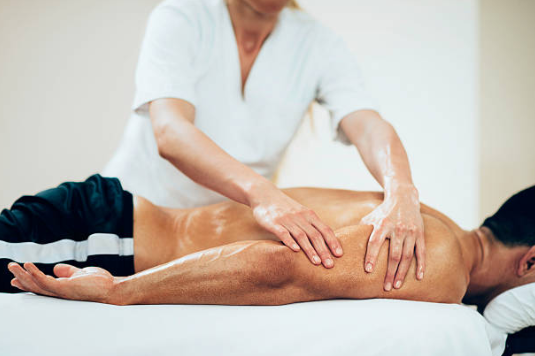
For some people, especially anyone dealing with existing pain or a structural issue rather than just general postural weakness, pilates by itself might not fully sort what’s actually going on. This is where seeing an Osteopath Oxford practitioner alongside regular pilates can genuinely round things out. Osteopaths check joint mobility, spinal alignment, structural restrictions that might be feeding into poor posture or pain in ways exercise alone doesn’t necessarily fix, especially if there’s a specific restriction or misalignment sitting under the general weakness. Combining osteopathic work sorting structural stuff with pilates building strength and movement control often gets better results than either used entirely alone, particularly for anyone who’s done pilates for months without seeing the improvement in pain or posture they were actually hoping for.
Why The Instructor Actually Matters This Much
Not every pilates class gets taught with the same attention to detail, and this genuinely matters more than people assume walking into a new studio for the first time. A good instructor watches how each person’s actually moving, correcting form and alignment individually rather than just running through a routine and letting everyone move however feels natural, which can sometimes just reinforce bad movement patterns instead of fixing them. This individual attention matters even more for anyone dealing with existing injuries or postural stuff, since moving through pilates exercises wrong can occasionally aggravate problems instead of helping the way it’s supposed to. Smaller classes generally allow for more of this correction and attention, worth considering when picking somewhere to actually practice regularly.
What To Actually Expect Walking In As A Beginner
Walking into your first pilates class not knowing what to expect can feel a bit intimidating, especially watching more experienced people move through positions that look deceptively simple but clearly need real control and precision. Beginners should expect muscles working in spots they didn’t really expect, particularly deep core and stabilizing muscles that barely get activated in daily life or typical workouts. Some soreness over the following days is pretty normal, similar to starting any new exercise your body isn’t used to yet. A good instructor offers modifications for beginners rather than expecting everyone to perform at the same level right away, pilates genuinely has a learning curve even though it looks gentle and low-impact from the outside watching someone else breeze through it.
How This Ties Into Preventing Pain Down The Line
Beyond just posture and core strength, regular pilates can genuinely help prevent future injury, particularly around the lower back and hips where poor movement patterns and weak stabilizing muscles often quietly build into chronic issues over time. Building better body awareness and control through consistent practice means you’re less likely to move in ways that strain vulnerable areas during everyday stuff, lifting something heavy wrong, twisting awkwardly, sitting with bad posture for hours without noticing the strain piling up gradually underneath. This preventive side is honestly underrated compared to the more immediate, visible benefits people focus on at first, but it’s genuinely one of the better long-term reasons to stick with a consistent practice rather than just doing it whenever motivation happens to show up.
Picking A Studio That Actually Fits What You Need
Not every studio offers the same style or focus, worth actually researching options instead of just picking whatever’s closest without thinking about what you actually want out of it. Some studios lean mat-based, others bring in reformer machines that add resistance and extra challenge to the movements themselves. If you’re dealing with existing pain or injury, look specifically for instructors who’ve worked alongside other healthcare practitioners, physios, osteopaths, since that background usually means better understanding of how to modify exercises properly for specific conditions rather than teaching one generic class regardless of who’s in the room. Reviews mentioning individual attention and instructor knowledge tend to matter more than reviews just praising the general vibe of a place.
Conclusion
Pilates offers genuine, lasting benefits for posture and core strength, but understanding how it actually works, and what it might not fully sort on its own, matters for keeping expectations realistic about results and timeline. Whether poor posture’s from years of desk work, an old injury, or just weakness that’s built up slowly over time, consistent practice with decent instruction can genuinely make a real difference, though it usually takes longer to show up than people expect walking in the door. For anyone dealing with existing pain or structural stuff alongside general posture concerns, combining pilates with something like osteopathic treatment might sort things out more completely than either alone. Take the time finding a studio and instructor that actually fits what you need, because pilates done properly and consistently offers a lot more than a decent workout, it genuinely changes how the body moves and carries itself day to day.