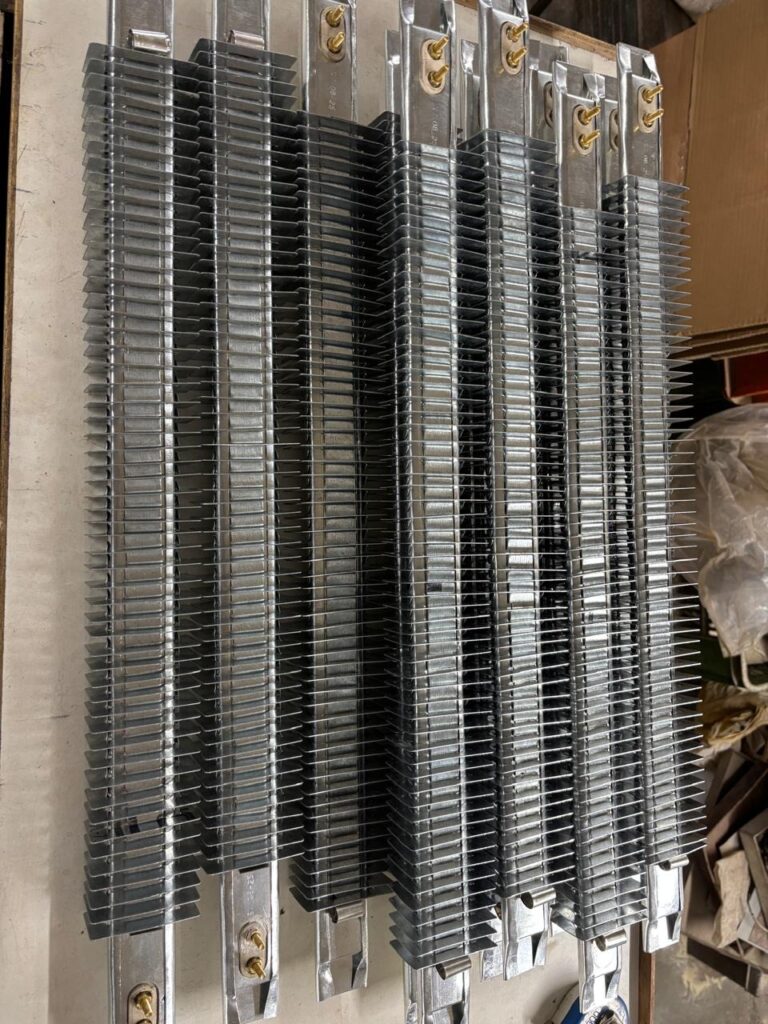
Selecting the best components in a heat treatment process will not only have technical implications but also determine the efficiency, consistency and cost in the long run. There are different things to consider when choosing the best heating elements for heat treatment furnace systems. Some of the considerations include the temperature range, the kind of materials and their durability. With many options in the market today, one needs to understand what matters most.
Understanding Your Furnace Temperature Requirements
Any heat treatment process requires a certain temperature range to be effective. Annealing, hardening, and tempering all operate differently. Selecting those elements that are slightly above your maximum operating temperature makes for better safety, durability and longer-lasting furnace performance overall.
Common Heating Element Types Available
Here are some widely used heating element types across heat treatment furnaces:
- Kanthal wire elements for moderate to high heat
- Silicon carbide rods for extremely high temperatures
- Molybdenum disilicide elements for advanced applications
- Nichrome wire elements for lower temperature ranges
- Ceramic fibre heating modules for uniform insulation
Why Material Compatibility Matters
The atmosphere inside a furnace impacts the heating elements more than one initially realises. The oxidising, reducing, or inert atmospheres react with the metal in a different way. Thus, it is essential to use materials that can withstand the furnace atmosphere in order to avoid breakage and any unexpected downtimes.
Considering Ceramic Fibre Heating Modules
Many modern furnaces now incorporate ceramic fibre heating modules that India manufacturers produce for efficient heat distribution. These modules combine heating elements with lightweight insulation directly. This design improves energy efficiency while reducing overall furnace weight considerably.
Key Factors Before Making a Final Decision
Below are some important factors worth evaluating carefully before purchasing:
- Maximum continuous operating temperature required
- Furnace atmosphere type and chemical exposure
- Available installation space and mounting configuration
- Expected heating uptime and cycling frequency
- Budget constraints alongside long-term maintenance costs
Comparing Popular Heating Element Options
| Element Type | Max Temperature | Best Suited For |
| Kanthal Wire | Up to 1400°C | General industrial furnaces |
| Silicon Carbide | Up to 1600°C | High-temperature laboratory furnaces |
| Molybdenum Disilicide | Up to 1800°C | Advanced heat treatment processes |
| Nichrome Wire | Up to 1200°C | Lower temperature applications |
| Ceramic Fiber Modules | Up to 1400°C | Energy-efficient insulated furnaces |
Energy Efficiency and Insulation Benefits
Suppliers of ceramic fibre heating modules in India frequently reduce energy usage thanks to their superior insulation capability. Moreover, due to their lightweight design, the furnace heat-up time is much shorter. The use of ceramic heating modules is becoming more widespread in modern heat treatment plants because of these properties.
Durability and Maintenance Considerations
Components that experience repeated heating cycles are bound to get worn out in due time. Selection of materials that are creep-resistant can prevent repeated replacement. Repeated inspections can also facilitate detection of any degradation taking place.
Final Thoughts
Selecting appropriate elements requires balancing temperature needs, atmosphere compatibility, and choosing reliable suppliers like Asanjo Heating carefully. Understanding these factors helps identify the best heating elements for heat treatment furnace applications suited to specific industrial requirements and long-term operational goals.