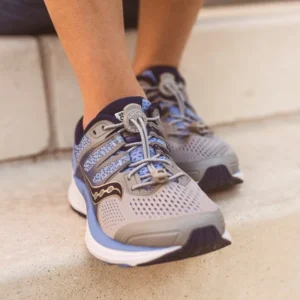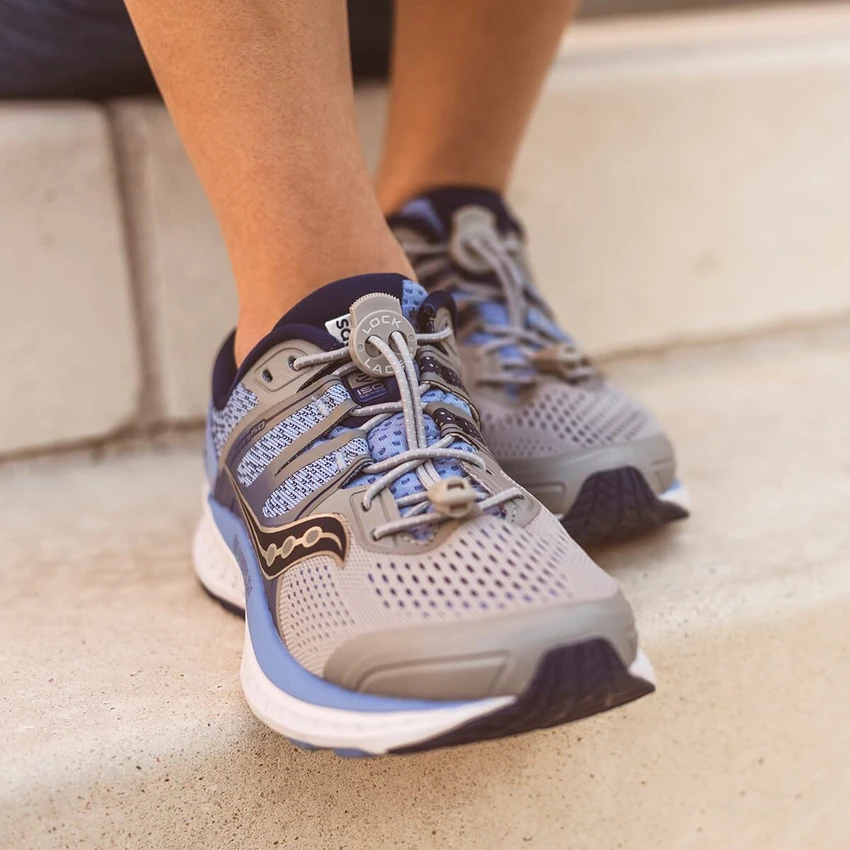
Running out the door only to stop three blocks later because your shoe untied is a familiar frustration. Traditional cotton and nylon laces gradually loosen as your feet flex, forcing you to interrupt your workout, commute, or trail hike to double-knot them. Using no-tie shoe lace locks solves this hassle by replacing manual knots with a spring-loaded mechanical mechanism that clamps down on elastic cord. This simple upgrade delivers dynamic tension, prevents tripping hazards, and ensures a snug, custom fit every single time you slip on your favorite pair of shoes.
Understanding the Problem: Why Standard Knots Continually Fail
Standard shoelaces rely entirely on friction to stay secure. When you tie a traditional bow knot, the fabric surfaces press against one another. As long as that friction force remains greater than the force pulling on the loose ends, the knot stays intact. However, dynamic movement rapidly changes those physics.
Every step you take sends impact energy from the ground directly through your footwear. Biomechanical studies on foot movement during running show that the foot undergoes rapid deceleration upon impact, generating forces up to seven times the force of gravity. This repeated shock sends microscopic vibrations up through the eyelets of the shoe. Simultaneously, the twisting action of your ankle pulls on the tension points, slowly unraveling the friction holding your bow knot together. Within minutes of intense activity, even a tight double knot can loosen or come completely undone.
Beyond the hassle of constantly stopping, loose laces present real safety risks. Loose ends easily catch on bicycle pedals, gym equipment, or exposed tree roots on hiking trails. For young children, seniors, or athletes pushing for personal records, standard laces are often an unreliable method for foot security.
The Inner Mechanics of Shoe Lace Locks
Shoe lace locks replace traditional knots with a durable mechanical closure system. Instead of relying on fabric-on-fabric friction, these small devices utilize physical tension and mechanical clamping to anchor your laces firmly in place.
The Core Components of a Cord Lock
While design aesthetics vary across brands, almost all lace locking systems rely on four fundamental parts:
-
Outer Housing: A compact shell made from high-impact polycarbonate or durable ABS plastic that houses the internal mechanisms.
-
Internal Plunger: A movable inner core featuring one or two pass-through holes designed to align with the outer housing.
-
Stainless Steel Spring: A coiled metal spring positioned beneath the plunger that provides continuous upward resistance.
-
End Clips or Anchors: Snap-on plastic caps that bind the raw cut ends of the elastic cords together, preventing fraying and giving you a clean grip point.
Step-by-Step Mechanical Operation
Understanding how these locks work begins with pressing the center button. When you depress the top of the internal plunger, its pass-through holes line up with the openings in the outer housing. This alignment opens a clear channel through the entire assembly.
While holding the button down, you slide the lock along the laces toward the tongue of your shoe. Once you achieve your desired tightness, you release the button.
Releasing the button allows the internal steel spring to push the plunger upward instantly. As the plunger shifts out of alignment with the outer shell, it pinches the elastic laces against the interior walls of the housing. The spring creates constant physical compression, locking the cord securely in place. The heavier the tension applied from the outside, the tighter the spring mechanism holds the cord, eliminating slippage entirely.
       [ Depress Button ]                    [ Release Button ]
    =======================               =======================
    ( Plunger Aligned )                   ( Plunger Pinched )
    Laces slide freely through            Spring forces plunger up;
    aligned housing holes.                laces are clamped tight.
Elastic Laces vs. Traditional Cord: The Role of Dynamic Tension
A lace lock mechanism works best when paired with stretchable elastic cords rather than stiff woven cotton. The combination of high-grade elastic lacing and a mechanical lock changes how your shoe fits throughout the day.
Your feet naturally expand during movement. Body heat, increased blood circulation, and physical impact cause your feet to swell up to half a shoe size during a long run or an eight-hour shift on your feet. Traditional laces do not stretch; as your foot expands, rigid laces press hard against the top of your foot, creating painful pressure points and restricting proper blood circulation.
Elastic laces expand and contract in direct response to your foot’s natural movement. When you flex your toes or land heavily on your heel, the elastic stretches to accommodate the foot’s volume, spreading pressure evenly across every eyelet. Once the pressure releases, the elastic contracts back to its resting state, while the lace lock maintains the baseline tension setting at the top of the tongue.
This synergy creates a true slip-on experience. You set the lock tension once, and the elasticity allows you to slide your foot into and out of the shoe without adjusting the lock every time.
Comparing Footwear Closure Systems
To understand where mechanical lace locks fit into the broader footwear landscape, it helps to evaluate them alongside other popular closure options.
| Closure Type | Security Level | Ease of Use | Custom Fit & Flexibility | Durability | Best Suited For |
|---|---|---|---|---|---|
| Traditional Standard Knots | Low to Moderate | Low (requires repeated re-tying) | Low (rigid, causes pressure hot spots) | High (easy and cheap to replace) | Casual wear, low-impact daily activities |
| Mechanical Cord Locks | High | High (one-touch adjustment / slip-on) | High (dynamic stretch accommodates foot swelling) | High (weatherproof plastic & stainless steel) | Running, triathlons, casual wear, seniors, kids |
| Hook-and-Loop (Velcro) | Moderate | High (simple strapping) | Low (limited adjustment points) | Moderate (collects debris and degrades over time) | Kids’ shoes, medical or orthopedic footwear |
| Rotary Dial Systems (BOA) | Very High | High (twist-to-tighten dial) | High (precise micro-adjustments with rigid steel wire) | High (highly durable, costly to repair) | Cycling shoes, premium snowboard boots, golf shoes |
As the comparison highlights, spring-loaded cord locks strike a sweet spot between affordability, dynamic foot comfort, and long-term durability. They provide the adjustability of high-end rotary dial systems without requiring specialized, built-in shoe designs.
Step-by-Step Installation Guide for Optimal Performance
Installing shoe lace locks correctly ensures long-term comfort and reliable performance. Follow these four practical steps to convert any standard lace-up shoe into a high-performance, no-tie footwear system.
1. Remove Old Laces and Thread the Elastic Cords
Unlace your shoes entirely. Thread the new elastic laces through your shoe’s eyelets just as you would with standard laces. For the best comfort, lace your shoes while wearing the socks you plan to use with that specific footwear. Keep the tension loose as you thread toward the top eyelets.
2. Thread Laces Through the Lock
Squeeze the top button of the lace lock down firmly to align the inner and outer holes. While holding the button down, thread both loose ends of the elastic cord through the lock’s opening. Slide the lock down the cords until it rests against the shoe tongue.
3. Adjust for Ideal Tension
Put your foot inside the shoe and stand up to allow your foot to spread naturally. Press the button on the lock and slide it toward the tongue until the shoe feels snug, supportive, and comfortable. Flex your foot and walk around a few paces to confirm there are no painful pressure points across the bridge of your foot.
4. Trim and Attach the End Clip
Measure about 2 to 3 inches of excess elastic cord extending beyond the lock. Use a sharp pair of household scissors to snip off the remaining excess length. Slide the cut ends into the provided plastic cord assembly clip and snap it shut until it clicks. This clip secures the raw ends, prevents fraying, and gives you a comfortable tab to pull when slipping your shoes on.
Who Benefits Most From Using Lace Locks?
While initially developed to save precious transition time for competitive athletes, lace locks offer major functional benefits across a wide range of daily activities and lifestyles.
Runners and Triathletes
In competitive sports like triathlons, every second spent in the transition area counts. Swapping out standard laces for quick-adjust locking systems allows triathletes to slip their running shoes on instantly during the T2 transition without fumbling with wet, cold hands. For long-distance road and trail runners, lace locks eliminate the nuisance of stopping mid-race to fix untied knots.
Seniors and Individuals with Limited Mobility
Conditions like arthritis, Parkinson’s disease, or recovery from surgery can make fine motor tasks—such as tying tiny shoelace knots—painful or challenging. Lace locks convert standard footwear into accessible slip-on shoes, restoring independence and reducing the daily physical strain of dressing.
Children and Parents
Young children often struggle with knot-tying skills, leading to loose laces at school or on the playground. Fitting kids’ sneakers with lace locks keeps their shoes securely tied all day long, saving parents and teachers from constantly re-tying laces while preventing dangerous trips and falls.
Tactical, Outdoor, and Healthcare Workers
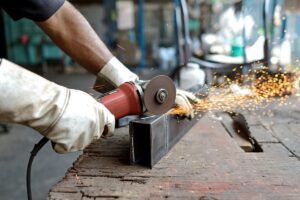
Nurses, first responders, industrial personnel, and hikers spend long hours on their feet in demanding environments. Having a lace closure system that never comes untied in mud, brush, or hazardous work environments ensures safety and consistent arch support throughout extended shifts.
Maintenance and Long-Term Care Tips
Quality lace locks require minimal upkeep, but a few simple habits will keep them operating smoothly for years.
-
Prevent Dirt Accumulation: Dust, sand, and grit can work their way inside the housing and scratch the spring mechanism. Periodically rinse the locks with warm water while depressing the button to flush out fine particles.
-
Inspect the Elastic Cords: Check the outer fabric sheath of the elastic cords every few months for signs of fraying or wear around the eyelets. High-friction metal eyelets can gradually wear down cord fabric over time.
-
Avoid Over-Tightening: Elastic lacing works best when it supports the foot without pulling too tightly. Over-tightening can stretch the internal elastic strands beyond their recovery point and cause discomfort across the top of your foot.
Conclusion
Shoe lace locks offer an elegant, mechanical solution to the age-old problem of untied shoelaces. By replacing unreliable friction knots with durable internal spring clamps and stretchable elastic cords, these clever devices deliver lasting security, continuous tension relief, and slip-on convenience. Whether you are an athlete looking to shed seconds off your transition time, a parent tired of re-tying playground sneakers, or someone seeking accessible, comfortable footwear, lace locks offer a low-cost, high-value upgrade. Swapping out your conventional laces takes only a few minutes and permanently transforms how your footwear fits and performs every day.
Frequently Asked Questions
Do shoe lace locks fit on any type of shoe?
Yes, lace locks work with almost all lace-up footwear, including running shoes, cross-trainers, casual sneakers, hiking boots, and work boots. As long as your shoes have standard eyelets or webbing loops, elastic cords and lace locks can be threaded through them easily.
Will elastic lace locks make my shoes feel too loose or sloppy?
No, elastic cord locks are engineered to hold firmly without slipping. Because high-grade elastic provides constant tension, the shoes often feel more secure than traditional laces, conforming dynamically to your foot as it flexes without slipping at the heel.
Can I reuse lace locks on a new pair of shoes?
Yes, you can transfer lace locks to new shoes. However, if you trimmed the elastic cords during your initial installation, the remaining length might be too short for a different shoe model with wider eyelet spacing. Fortunately, replacement elastic cords are inexpensive and widely available.
How do I clean shoes that have lace locks installed?
You can wash your shoes with the locks attached. If hand-washing, scrub around the lock using warm water and mild soap. If machine-washing, place your shoes inside a mesh laundry bag on a gentle cycle, then allow the shoes and locks to air dry completely away from direct heat.
Are lace locks durable enough for intense trail running and mud?
High-quality lace locks use stainless steel springs and weather-resistant plastic designed to withstand rain, mud, snow, and extreme temperatures. They do not rust or degrade easily, making them a reliable choice for off-road trail running and rugged outdoor use.