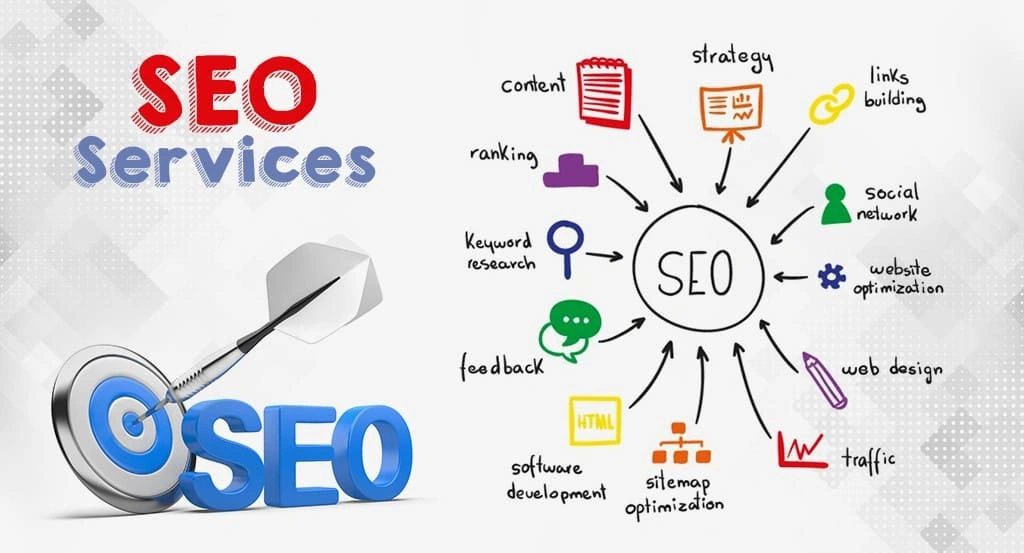
B2C SEO strategies for attracting customers and increasing online conversions
One shopper looking for skincare buys one product, returns to the store a few times and compares ingredients and reading reviews. Another buyer looking for a new appliance scans the specifications, delivery options and price before making a purchase.
These different behaviours highlight why businesses need to understand the customer journey rather than focus exclusively on website traffic.
B2C SEO services help businesses connect with consumers at different stages of their decision-making process. By improving search visibility, creating useful content, and making website pages easier to navigate, brands can reach potential customers when they are researching products, comparing options, or preparing to buy.
The goal is not simply to attract more visitors. It is to attract relevant visitors and help them find the information they need.
Understanding the Modern B2C Customer Journey
The customer journey describes the steps people take before, during, and sometimes after a purchase. Although these steps are not always linear, they commonly include discovery, research, comparison, purchase, and retention.
Search engines play an important role throughout this process.
A consumer might begin with a broad search to understand a problem, move on to specific product comparisons, and eventually search for a particular brand or product. Each search reflects a different level of familiarity and purchase intent.
If a company’s website only features ‘sales’ based content, then they are not engaging with the consumer when they are in the researching phase. Conversely, if a business website is rich with general information but sparse on ‘useful’ product pages, then they will be losing conversions.
Effective B2C SEO services account for these differences and help create a more complete content strategy.
How B2C SEO Services Support Each Stage

Building Awareness Through Helpful Content
At the beginning of the customer journey, consumers may not know which product or brand best suits their needs. They are often looking for explanations, practical advice, and possible solutions.
Businesses can reach these audiences through informative articles, buying guides, tutorials, and relevant category pages.
For example, a home appliance retailer might publish content explaining the differences between various washing machine types. This gives readers a useful starting point while introducing them to products that match their requirements.
Content should answer the searcher’s actual question rather than exist solely to include keywords. Clear explanations, accurate information, and practical examples make pages more valuable to readers.
Supporting Research and Comparison
After you provide enough information to the consumer, they’ll probably compare features, pricing, quality and how well it fits their needs.
Comparison pages, in-depth product descriptions, FAQ’s and buying guides are also useful.
SEO teams should identify the information customers need at this stage and organise it clearly. Product specifications, compatibility details, delivery information, and return policies should be easy to find.
This approach can reduce uncertainty and help visitors move naturally from research toward a purchase.
Helping Customers Complete a Purchase
When a consumer is ready to buy, the website should make the next step straightforward.
Product and category pages should have descriptive titles, helpful copy, relevant images (provided by the business), and easy navigation. Technical problems like broken links, ambiguous redirects, or an inability to use your site on a mobile device can devalue your offer.
Search optimisation also includes ensuring that important pages can be discovered and indexed correctly. Structured data may help search engines interpret eligible product information, although displaying rich results is never guaranteed.
SEO and conversion optimisation work best together when they support both discoverability and usability.
The Importance of Website Experience and Content Quality
A strong search strategy depends on more than keywords. Consumers expect websites to load reliably, present information clearly, and work smoothly across different devices.
Mobile usability is essential as many consumers tend to browse and make purchases through their phones. The experience can be difficult if they are thrown off with inconvenient menus, unwanted pop-ups, or confusing checkout steps.
Credibility Businesses can establish credibility by providing clear information about their products, transparent policies, accessible contact information and authentic customer reviews, all of which can help visitors determine whether they can trust a brand.
This is where a well-planned media agency website can provide useful inspiration. A strong agency website typically communicates its value clearly, organises information logically, and supports the visitor’s next step. Consumer-facing websites can apply the same principles to product discovery, service explanations, and purchasing journeys.
How B2C SEO Connects With Other Marketing Channels
You may experience a brand by searching, viewing it on social media, receiving an email, seeing an ad online, or hearing someone talk about it. They all interact.
Because of this, SEO offers discoverable assets that can be leveraged by other areas of marketing. For example, a well-developed buying guide might bring in organic traffic and be shared in email campaigns or social media.
Consistency is key: messaging and product information should be consistent both on advertising channels and on the retail shelves themselves. Confidence takes a hit when a customer sees inconsistencies in pricing, or with outdated or contradictory product messaging.
An integrated strategy also helps marketing teams understand how different interactions contribute to business outcomes. Organic search may introduce a customer to a brand even when another channel receives credit for the final purchase.
Measuring the Results of a B2C SEO Strategy
Measuring success requires more than monitoring keyword positions or total website visits.
Useful indicators include organic traffic to relevant pages, engagement with product content, conversion rates, revenue from organic search, and the number of qualified leads or purchases.
Businesses should also monitor how different page types perform. Informational articles may introduce new visitors, while category and product pages may contribute more directly to sales.
Search performance should be reviewed alongside business factors such as pricing, stock availability, seasonality, and promotional campaigns. A decline in sales does not necessarily indicate an SEO problem, just as an increase in traffic does not automatically mean the strategy is successful.
Regular analysis helps businesses identify which content deserves improvement, which pages need better internal links, and where customer journeys are becoming difficult.
Common B2C SEO Challenges and FAQs
How long does B2C SEO take to deliver results?
The cost and time investment depend on the state of the site, the level of competition, the quality of current content, and what resources are at hand. Some tech upgrades can offer some quick wins, but more difficult keywords in search, organic reach, and profitability may require months of constant effort.
Does B2C SEO work for small businesses?
Yes. Small businesses might simply target narrower product categories, customer types, and search terms rather than trying to go after every broad keyword. Narrow focus can improve the effectiveness of limited resources.
How does AI search affect B2C SEO?
AI-powered search experiences are changing how people discover and compare information. Businesses should continue publishing accurate, useful, well-structured content and maintaining technically accessible websites. There is no guaranteed method of appearing in AI-generated answers, so the priority should remain helping customers and making information easy to understand.
Conclusion

Modern customer journeys involve multiple searches, comparisons, and interactions before a purchase is completed. Businesses need a search strategy that supports these different needs rather than concentrating exclusively on rankings or immediate sales.
B2C SEO services help brands improve discovery, provide relevant information, and make product pages easier to navigate. When combined with a reliable website experience and consistent messaging across marketing channels, SEO can support stronger customer relationships and sustainable organic growth.
The most effective approach begins with understanding what consumers need at each stage. By creating genuinely useful content, maintaining accurate product information, and measuring meaningful business outcomes, brands can build a search presence that serves customers long after a single campaign ends.