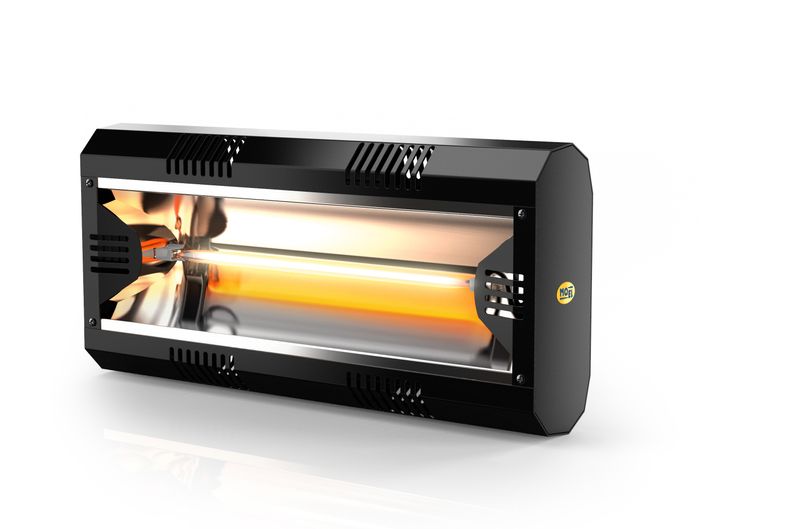
An infrared bathroom heater offers a contemporary approach to indoor heating by transferring warmth directly to surrounding objects, surfaces, and occupants. Unlike conventional convection systems that primarily heat the air, infrared technology provides targeted warmth through radiant energy. This method can support comfortable temperatures while operating quietly and without direct combustion within the space. Its efficient and clean operation makes it suitable for modern residential and commercial environments. Bathrooms can particularly benefit from targeted heating, especially when rapid warmth is required during colder periods. With flexible installation possibilities and practical performance, infrared thermal heaters provide a heating solution that supports indoor comfort, energy-conscious operation, and evolving expectations for efficient modern technologies.
Exploring the Operating Principles of Infrared Heating
Infrared thermal heaters generate warmth through infrared radiation, transferring heat directly to objects and surfaces within their operating range. Unlike conventional convection systems that heat the surrounding air first, this method delivers warmth without relying on continuous air movement. The process is comparable to the natural heat experienced from sunlight, creating consistent comfort without producing noticeable drafts. Since these heaters generally operate without moving components, they can provide quiet performance in different indoor settings.
Directly warming surfaces and occupants allows infrared heaters to support comfortable conditions while potentially reducing unnecessary energy use. Their focused heating capability makes them suitable for spaces requiring prompt or localised warmth, contributing to improved thermal comfort across selected areas.
Key Benefits of Radiant Infrared Heating Systems
Infrared thermal heaters provide several advantages that support efficient heating across residential and commercial environments. Their radiant heating method warms objects and surfaces directly, allowing heat to be delivered more quickly and consistently in selected areas. This approach can help limit energy waste associated with heating large volumes of surrounding air, potentially supporting lower electricity consumption.
The absence of forced-air circulation may also reduce the movement of dust, allergens, and other airborne particles. Quiet operation makes these heaters suitable for spaces where reduced noise is preferred, including bedrooms and work areas. Their streamlined designs can complement different interior styles, while rapid heat delivery provides additional comfort during colder conditions.
Using Infrared Heaters for Bathroom Comfort
Infrared thermal heaters can provide practical heating support in bathrooms because they deliver warmth directly to nearby surfaces and occupants. Bathroom spaces often require quick temperature changes, particularly during colder mornings or after bathing. Radiant heating can help create a more comfortable environment by directing warmth towards selected areas rather than depending entirely on the gradual heating of surrounding air.
Suitable heater designs may be selected according to bathroom conditions, available space, and installation requirements. Compact construction can support integration into different layouts while maintaining a streamlined appearance. When appropriately specified and installed for the environment, targeted infrared heating can improve comfort and provide efficient warmth in areas where rapid temperature control is required.
Planning Safe Infrared Heater Installation
Correct installation of infrared thermal heaters is important for supporting safe operation and effective heating performance. In bathrooms, positioning should account for water exposure, electrical safety requirements, and the appropriate installation zones. Wall or ceiling placement may help direct warmth effectively while maintaining suitable separation from wet areas and combustible materials. The heater’s location should also support balanced coverage across the intended space.
Professional installation can help ensure that electrical connections, mounting arrangements, and safety requirements are addressed correctly. The selected mounting method should reflect the room layout, heater specifications, and available installation surface. Following manufacturer instructions and applicable regulations contributes to dependable performance and helps reduce potential safety concerns during regular use.
Infrared thermal heater Types and Designs
Infrared thermal heaters are available in a variety of designs, each suited to specific settings and requirements. Wall-mounted models are a popular choice for their ability to save space while providing effective heating, particularly in areas with limited floor space. Ceiling-mounted options offer an unobtrusive solution, ideal for environments where maximum floor area is desired. Portable Infrared thermal heaters provide versatility, allowing them to be moved and utilised in different locations as needed.
The aesthetic appeal of modern designs ensures that these heaters can seamlessly complement interior decor, with styles ranging from sleek, minimalist panels to decorative units. This wide range of options enables tailored heating solutions that balance functionality and visual harmony across various spaces.
How Infrared thermal heaters Work?
Infrared thermal heaters emit infrared radiation, a form of electromagnetic energy that generates heat upon contact with objects or surfaces. This type of radiation is entirely safe and mirrors the natural warmth of sunlight, providing an efficient means of heat transfer. Unlike convection-based systems that heat the surrounding air, Infrared thermal heaters focus on warming specific areas directly, which minimises energy loss and ensures immediate warmth.
The emitted waves penetrate surfaces, retaining heat for longer periods and maintaining a consistent temperature. This precise heat delivery eliminates drafts and contributes to a comfortable, stable indoor environment. The absence of fans or moving parts during operation also enables silent, unobtrusive operation.
Infrared thermal heater Maintenance Tips
Regular upkeep is essential to ensure the efficient operation and longevity of an Infrared thermal heater. Cleaning the surface periodically with a soft cloth helps prevent dust accumulation, which can obstruct heat dissipation. It is also important to inspect the heater’s components, such as electrical connections, for any signs of wear or damage. Ensuring that vents and surrounding areas remain unobstructed promotes proper airflow and prevents overheating.
For heaters installed in humid environments, such as bathrooms, checking for signs of corrosion is advisable. Adhering to the manufacturer’s maintenance guidelines ensures that the heater continues to function effectively, providing reliable warmth. Taking these steps helps maintain optimal performance while enhancing safety and energy efficiency in daily use.
Managing Electricity Use with Infrared Heating
The energy consumption of infrared thermal heaters depends on several factors, including their wattage, operating duration, and the dimensions of the area requiring warmth. Since these systems transfer heat directly to surfaces and objects instead of primarily heating the air, they can provide efficient warmth in selected locations. Targeted operation may help reduce unnecessary energy use, particularly when heating is required only in specific parts of a room.
Choosing a heater with a suitable power rating for the intended space can support effective performance while avoiding excessive electricity consumption. Their focused heating capability can also help manage operating costs, making infrared heaters a practical option for maintaining comfortable conditions across residential and commercial environments.
Built-In Protection for Infrared Heating Systems
An infrared heater incorporates different safety features designed to support dependable operation. Many units include overheating protection that automatically turns the system off when temperatures exceed established limits. Portable models may also feature tip-over protection, which helps reduce risks if the heater is accidentally displaced. Protective grills can be included in certain designs to cover heating elements and limit direct contact.
Heat-resistant materials and durable construction further contribute to safe operation. Models intended for bathroom environments may be designed to meet relevant water-resistance requirements, supporting their use in humid conditions when installed appropriately. These safety measures help improve reliability while supporting practical heating performance in different indoor settings.
Exploring Potential Comfort and Wellness Benefits
Infrared thermal heaters can contribute to indoor comfort by providing warmth without depending on continuous forced-air circulation. Reduced air movement may help limit the distribution of dust and airborne particles, which can be beneficial in spaces where indoor air quality is a consideration. However, infrared heating should not be treated as a replacement for appropriate ventilation or medical treatment for respiratory conditions.
The direct warmth produced by these systems may also support relaxation and comfort, particularly when used to warm selected areas of the body. Consistent radiant heat can help create a more pleasant environment and may ease the sensation of cold-related muscle tension. These potential benefits depend on appropriate temperatures, exposure, and individual circumstances.
Environmental Considerations of Infrared Heating
Infrared thermal heaters can support energy-conscious heating practices by transferring warmth directly to surfaces and occupants. Their focused operation may reduce energy wastage in situations where heating is needed within a limited area rather than across an entire space. As electrically powered systems, they can also operate using electricity generated from renewable sources, depending on the energy supply.
These heaters do not produce direct combustion emissions within the room, including carbon monoxide, when operating as intended. Their energy performance and environmental impact still depend on electricity sources, usage patterns, heater efficiency, and manufacturing considerations. When selected and operated appropriately, infrared heating can complement broader efforts to reduce energy consumption and support sustainable indoor comfort.
Addressing Misconceptions about Infrared thermal heaters
Several misconceptions surround the performance and operation of infrared thermal heaters. Some believe these systems are unsuitable for larger spaces, although appropriately selected units can provide effective warmth across defined areas and applications. Another assumption is that infrared heaters automatically overheat nearby objects, while suitable models include controls and protective features designed to support safe operation.
Concerns about high running costs can also be assessed by considering the heater’s wattage, operating duration, and heating requirements. Infrared systems may provide efficient targeted warmth, but actual energy consumption varies according to usage and environmental conditions. Understanding these factors helps provide a more accurate view of their performance, safety, and practical suitability.
Conclusion
An infrared bathroom heater offers a modern and energy-conscious way to provide warmth in Australian properties. Instead of heating the surrounding air first, infrared technology uses radiant energy to warm surfaces and occupants directly, helping reduce drafts and unnecessary energy use. Rapid heat delivery makes these systems particularly suitable for bathroom environments, while quiet operation and streamlined designs complement contemporary interiors. With minimal maintenance requirements, appropriate safety features, and compatibility with solar power systems, infrared thermal heaters can provide a practical and sustainable approach to comfortable residential heating.
FAQs
How does an infrared bathroom heater differ from conventional convection heaters?
An infrared bathroom heater produces radiant energy that directly warms people, surfaces, and surrounding objects rather than heating the air first. Conventional convection heaters depend on heated air currents, which can rise and contribute to uneven warmth and energy loss. Infrared technology provides targeted heat quickly, helping create a more consistent and comfortable bathroom environment.
Are infrared thermal heaters suitable for humid Australian bathrooms?
Yes, bathroom-rated Infrared thermal heaters are designed with appropriate Ingress Protection ratings to help protect against moisture, water splashes, and humid conditions. Suitable installation on ceilings or upper wall areas helps keep the unit away from direct water exposure while providing warmth to occupants and cold bathroom surfaces. Correct installation remains important for safe operation.
Can infrared thermal heaters support indoor air quality for allergy sufferers?
Infrared thermal heaters can support a cleaner indoor environment because they operate without fans or forced-air circulation. Unlike some conventional heaters that move air around a room, infrared systems do not actively circulate dust, pollen, or pet dander. This still-air operation may be useful for people who prefer heating methods that minimise airborne particle movement.
How energy efficient are infrared thermal heaters with home solar systems?
Infrared thermal heaters convert electrical energy into radiant heat without requiring a separate fuel source. When combined with residential solar power systems, these electric heaters can use electricity generated from renewable energy, potentially reducing reliance on grid power. The overall energy and cost benefits depend on factors such as system size, household consumption, operating duration, and solar generation.
| Related Business Listings |
| Contact Directory |
| Local Business Profiles |