Your home should be a comfortable place where your family can relax without worrying about unwanted pests. Unfortunately, cockroaches, ants, termites, rodents, spiders, and other household pests can quickly become a problem. They can contaminate food, damage property, and create an uncomfortable living environment. Professional home pest control Sydney services help homeowners identify infestations, manage pest activity, and protect their properties throughout the year.
Sydney’s climate provides suitable conditions for many common household pests. Warm summers, mild winters, moisture, and accessible food sources can encourage insects and rodents to enter residential properties.
Even homes with excellent cleaning routines can experience pest problems. Small openings around doors, windows, plumbing, and foundations can provide easy access for unwanted visitors.
Effective pest management involves more than spraying visible insects. It requires identifying the pest, locating its hiding places, understanding how it enters the property, and choosing an appropriate treatment.
Whether you live in an apartment, townhouse, rental property, or detached family home, professional pest management can help maintain a cleaner and more comfortable environment.
In this guide, we explore common household pests in Sydney, professional treatment options, preventative measures, treatment costs, and how to choose a reliable pest control provider.
Why Is Home Pest Control Sydney Important?
Household pests can affect several areas of a property, including kitchens, bathrooms, bedrooms, garages, gardens, and roof cavities.
Some infestations remain hidden until homeowners notice visible damage or repeated pest activity.
Professional pest management helps identify these problems and reduce the risk of recurring infestations.
Protect Your Home from Property Damage
Certain household pests can cause significant structural and material damage.
Termites are particularly concerning because they feed on cellulose-containing materials, including timber and paper products.
They can damage:
- Wooden flooring.
- Roof structures.
- Door and window frames.
- Timber support beams.
- Built-in cupboards.
- Wooden furniture.
- Other structural timber.
Rodents can also chew electrical wiring, insulation, packaging, and household belongings.
Regular inspections and suitable pest treatments can help identify these problems before they become more extensive.
Maintain a Cleaner Living Environment
Some pests can contaminate household surfaces, food preparation areas, and stored products.
Cockroaches and rodents may spread microorganisms through their movements and waste.
Flies can transfer contamination between rubbish areas and exposed food.
Certain household pests can also trigger allergic reactions or worsen existing respiratory sensitivities.
Professional pest management, combined with good household hygiene, can help reduce these risks.
Prevent Recurring Pest Problems
Seeing one ant or cockroach does not necessarily mean your home has a serious infestation.
However, repeated sightings may indicate a nearby nest, breeding area, or access point.
Professional technicians can investigate the source of the activity instead of treating only the visible pests.
This helps homeowners understand why pests are entering and what steps can prevent further problems.
Protect Children and Pets
Households with children and pets need to consider treatment safety carefully.
Professional technicians can assess the property and recommend suitable pest management methods.
Homeowners should follow all preparation, exclusion, ventilation, and re-entry instructions provided by the pest control company.
Common Household Pests Found in Sydney Homes
Different pests are attracted to different conditions.
Understanding their behaviour can help homeowners recognise early warning signs and arrange appropriate treatment.
Cockroach Control
Cockroaches are among the most common household pests in Sydney.
They are attracted to food scraps, moisture, warmth, and dark hiding places.
Kitchens, bathrooms, cupboards, drains, and appliances can provide suitable harbourage areas.
Common signs of cockroach activity include:
- Live cockroaches, particularly at night.
- Small dark droppings.
- Egg cases.
- Shed skins.
- Unpleasant odours.
- Cockroaches hiding around appliances.
Cockroach infestations can be difficult to manage because these insects reproduce quickly and hide in narrow spaces.
Professional treatments may involve inspections, targeted insecticide applications, gel baits, and monitoring.
Keeping kitchen surfaces clean, storing food securely, and repairing leaking pipes can also help reduce cockroach activity.
Ant Control
Ants frequently enter homes in search of food and water.
They may appear around kitchen benches, pantry shelves, windows, doors, and outdoor entertaining areas.
Different ant species have different nesting habits and food preferences.
Common warning signs include visible ant trails, nests near foundations, and repeated activity around food sources.
Professional ant treatments aim to identify the species and locate nesting areas.
Simply spraying visible ants may not address the colony.
Keep food containers sealed, clean spills promptly, and remove accessible food sources to discourage ant activity.
Termite Control and Inspections
Termites are among the most damaging pests affecting Australian properties.
They can remain hidden inside timber structures, wall cavities, and underground areas.
Because termite damage may develop without obvious external signs, regular professional inspections are important.
Possible warning signs include:
- Mud tubes along foundations.
- Hollow-sounding timber.
- Damaged wooden structures.
- Discarded termite wings.
- Bubbling or uneven paint.
- Doors and windows becoming difficult to operate.
These signs do not always confirm termite activity, but they should be investigated.
Professional termite management may involve inspections, monitoring systems, chemical barriers, and targeted treatments.
Avoid disturbing suspected termite activity before an inspection because this may make assessment more difficult.
Rodent Control
Rats and mice can enter residential properties through surprisingly small openings.
They often seek shelter in roof cavities, garages, wall spaces, kitchens, and storage areas.
Rodents can damage electrical wiring, insulation, stored belongings, and food packaging.
Common warning signs include:
- Scratching noises in ceilings or walls.
- Droppings around cupboards.
- Gnaw marks on packaging.
- Damaged food containers.
- Nesting materials.
- Unusual smells in enclosed areas.
Professional rodent control may involve identifying access points, selecting appropriate traps or baiting systems, and recommending exclusion measures.
Sealing entry points and storing food securely are important preventative steps.
Spider Control
Sydney is home to several spider species, some of which can pose a medical risk.
Spiders commonly appear in garages, sheds, gardens, roof spaces, and quiet indoor corners.
Regular cleaning and removing unnecessary clutter can reduce suitable hiding places.
Professional pest management may include targeted treatments around entry points, outdoor areas, and locations where spider activity is identified.
Avoid handling unfamiliar spiders. Seek appropriate medical advice if someone experiences a suspected serious spider bite.
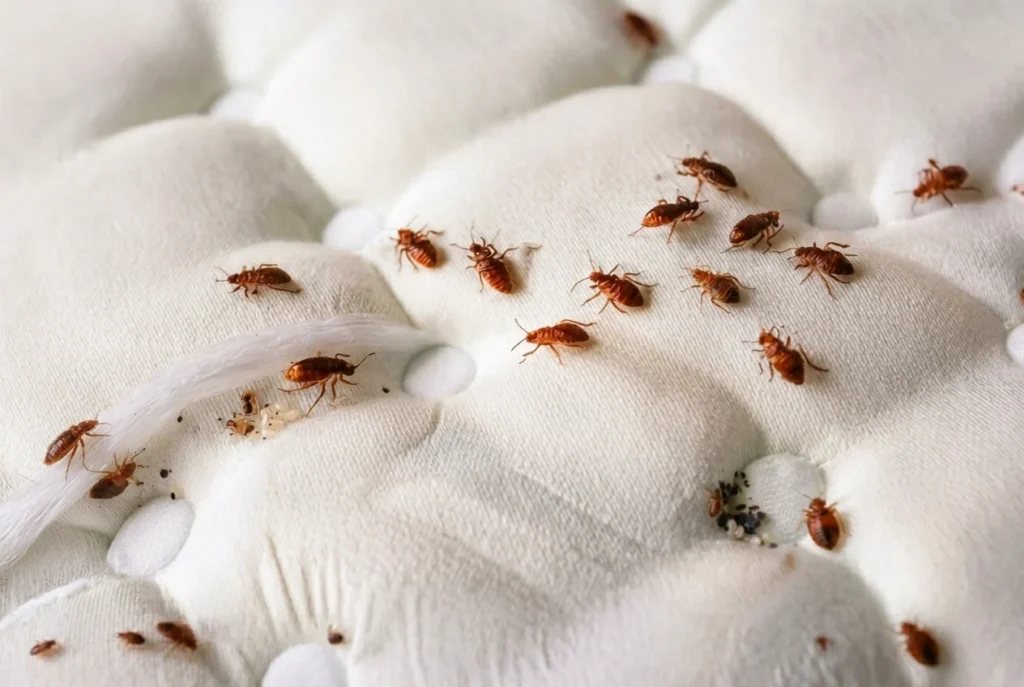
Bed Bug Control
Bed bugs are small insects that feed on human blood.
They commonly hide around mattresses, bed frames, furniture joints, and bedroom furnishings.
They can enter properties through luggage, second-hand furniture, clothing, and other belongings.
Signs of bed bug activity may include:
- Small dark spots on mattresses.
- Shed skins.
- Live insects around bed frames.
- Blood marks on bedding.
- Repeated unexplained bites.
Bed bug infestations can be difficult to eliminate using ordinary household sprays.
Professional treatment may involve detailed inspections, specialised insecticides, and other suitable management methods.
Silverfish Control
Silverfish are small insects commonly found in bathrooms, laundries, cupboards, and storage areas.
They prefer dark, humid environments and may feed on materials containing starch or cellulose.
Books, paper products, clothing, and stored belongings can become vulnerable when silverfish activity develops.
Reducing humidity, improving ventilation, and storing paper products securely can help discourage these insects.
Professional treatment may be recommended when activity becomes persistent.
Professional Home Pest Control Treatments in Sydney
Different pests require different treatment methods.
A treatment suitable for cockroaches may not work effectively against termites or bed bugs.
Professional pest management begins with identifying the pest and understanding the extent of the problem.
General Pest Control Treatment
General pest control commonly focuses on household pests such as cockroaches, ants, spiders, and other crawling insects.
Depending on the property and service agreement, treatments may include targeted applications around:
- Skirting boards.
- Door frames.
- Window frames.
- External walls.
- Entry points.
- Identified pest harbourage areas.
The exact treatment depends on the pest species, property conditions, and product requirements.
Internal Pest Control
Internal treatments focus on areas where pests are active or likely to hide.
These may include kitchens, bathrooms, laundries, cupboards, storage spaces, and other affected rooms.
Technicians select appropriate application methods according to the infestation and household requirements.
Homeowners may need to prepare certain areas before treatment, such as clearing kitchen benches or moving items away from affected walls.
External Pest Control
Outdoor treatments help manage pest activity around the property’s exterior.
Common treatment areas include:
- Building foundations.
- External walls.
- Doorways.
- Window frames.
- Garage entrances.
- Garden edges.
- Outdoor storage areas.
Reducing pest activity outside can help limit opportunities for insects to enter the home.
Termite Management
Termite management requires specialised assessment.
Depending on the property, technicians may recommend monitoring systems, chemical barriers, targeted treatments, or further inspections.
The correct approach depends on termite species, property construction, soil conditions, and evidence of activity.
Homeowners should ensure termite treatments are performed by appropriately qualified professionals.
Rodent Management
Rodent control focuses on reducing existing activity and preventing further access.
Treatment methods may include traps, suitable baiting systems, monitoring, and recommendations for sealing entry points.
Food storage, waste management, and property maintenance are also important parts of long-term rodent prevention.
Benefits of Hiring Professional Home Pest Control Services
Minor pest problems can sometimes be managed with basic household products. However, established infestations often require professional attention.
Accurate Pest Identification
Different pest species may require different treatments.
A professional technician can inspect your property and identify the pest responsible for the problem.
Accurate identification helps avoid ineffective treatment methods.
Targeted Treatment Methods
Professional pest management focuses on areas where pest activity occurs.
Rather than applying products randomly, technicians select appropriate treatments according to the infestation.
This can improve treatment effectiveness and reduce unnecessary product use.
Access to Professional Equipment
Pest control professionals have access to specialised equipment and products for different pest management situations.
They also understand application requirements and product safety instructions.
This is particularly important when dealing with difficult infestations.
Long-Term Prevention Advice
Effective pest management includes preventing future activity.
Technicians may recommend sealing gaps, improving ventilation, repairing leaks, reducing garden debris, and changing food storage practices.
These improvements can make residential properties less attractive to pests.
Save Time and Reduce Stress
Identifying pest entry points and treating an established infestation can take considerable time.
Professional services help homeowners address problems through an organised approach.
This allows families to focus on their daily responsibilities while the pest issue is managed.
How Much Does Home Pest Control Cost in Sydney?
The cost of home pest control in Sydney depends on several factors.
There is no single price for every property because treatment requirements vary.
Property Size
Larger homes may require more inspection time, materials, and treatment coverage.
A small apartment generally has different requirements from a large family home with multiple levels and outdoor areas.
Type of Pest
Different pests require different treatment methods.
General treatments for common crawling insects may have different pricing from specialised termite management or bed bug treatments.
Infestation Severity
A minor pest problem may require less work than an established infestation involving several rooms or hidden nesting areas.
The technician may need additional inspections or multiple treatment stages.
Treatment Method
The selected treatment influences the overall cost.
Some pest problems can be managed through targeted applications, while others require monitoring systems, specialised equipment, or follow-up visits.
Frequency of Service
Some homeowners arrange one-off treatments, while others prefer regular pest management.
The right schedule depends on property conditions, previous infestations, pest activity, and professional recommendations.
For an accurate quote, request an assessment that considers your property’s size, pest problem, and treatment requirements.
How to Prepare Your Home Before Pest Control Treatment
Preparing your home properly can help technicians access affected areas and carry out treatments efficiently.
Preparation requirements vary according to the pest and treatment method.
Clean Kitchen Surfaces
Remove food, utensils, and kitchen items from surfaces where treatment may be required.
Store exposed food in sealed containers and follow any specific instructions provided by the technician.
Move Furniture When Necessary
Some treatments require access to skirting boards, corners, cupboards, or other areas behind furniture.
Move suitable items away from affected walls when requested.
Store Children’s Toys and Pet Items
Put away toys, pet bedding, food bowls, and other personal items before treatment.
Follow the technician’s instructions about items that need to be removed or covered.
Arrange Access to Affected Areas
Clear access to garages, roof spaces, cupboards, storage areas, and other locations where pest activity has been reported.
This helps technicians complete a more thorough inspection.
Follow Safety Instructions
Always follow the pest control company’s preparation, ventilation, and re-entry instructions.
Do not assume every treatment requires the same waiting period.
How to Prevent Pests from Returning to Your Home
Professional treatment can address existing pest activity, but preventative maintenance remains essential.
Simple household practices can reduce conditions that attract pests.
Keep Your Kitchen Clean
Food scraps, crumbs, and spills can attract ants, cockroaches, and rodents.
Clean benches regularly, sweep floors, and store food in sealed containers.
Avoid leaving dirty dishes in the sink overnight.
Manage Household Waste
Use bins with secure lids and remove rubbish regularly.
Clean waste containers when necessary to prevent food residue and unpleasant odours.
Outdoor bins should also be positioned away from convenient entry points where practical.
Fix Water Leaks
Many pests are attracted to moisture.
Repair leaking taps, pipes, and appliances.
Check areas beneath sinks and around bathrooms for signs of persistent moisture.
Good ventilation can also help reduce damp conditions.
Seal Gaps and Cracks
Inspect doors, windows, foundations, and service entry points for gaps.
Seal suitable openings using appropriate materials.
Install door sweeps and maintain window screens where necessary.
Maintain Your Garden
Overgrown vegetation and accumulated garden debris can provide shelter for pests.
Trim plants away from external walls, remove unnecessary rubbish, and maintain outdoor storage areas.
Avoid allowing timber, leaves, and moisture to accumulate near the house.
Inspect Second-Hand Furniture
Check second-hand furniture, mattresses, and other household items before bringing them indoors.
This is particularly important when purchasing used bedroom furniture because bed bugs can hide in small joints and seams.
Home Pest Control Across Sydney Suburbs
Sydney’s residential properties vary considerably in construction, age, landscaping, and surrounding environments.
These differences can influence pest activity and treatment requirements.
Professional pest control services may assist homeowners across different parts of Sydney, depending on the provider’s service area.
Northern Sydney
Residential areas such as Chatswood, Hornsby, Lane Cove, and Ryde include apartments, townhouses, and detached homes.
Different property types can experience problems involving cockroaches, ants, rodents, and termites.
Eastern Suburbs
Properties across Bondi, Randwick, Coogee, and surrounding areas may experience pest activity associated with gardens, shared building spaces, and household moisture.
Appropriate treatment depends on the building and pest involved.
Western Sydney
Residential communities throughout Parramatta, Blacktown, Penrith, and surrounding suburbs include properties with different landscaping and construction features.
Regular maintenance and appropriate pest management can help reduce unwanted pest activity.
Southern Sydney
Areas such as Hurstville, Sutherland, and surrounding communities include a mixture of established homes and newer residential developments.
Professional inspections can help identify pest activity and potential access points.
Inner Sydney
Homes and apartments across inner suburbs may experience cockroach, ant, rodent, and bed bug problems.
Shared walls, storage areas, rubbish facilities, and building access points can influence pest movement.
Always confirm that your selected pest control provider services your suburb before booking.
How to Choose the Best Home Pest Control Sydney Provider
Choosing a suitable pest control provider is important for effective treatment and household safety.
Consider these factors before making your decision.
Check Licensing and Qualifications
In NSW, pest management work is subject to licensing and regulatory requirements.
Check that the provider and relevant technicians hold the qualifications and licences required for the services being offered.
This is particularly important for specialised termite treatments.
Ask About Treatment Methods
A reliable provider should explain the proposed treatment and why it is suitable for your pest problem.
Ask which areas will be treated, what products or methods will be used, and whether follow-up visits are recommended.
Check Insurance and Experience
Ask whether the business has appropriate insurance and experience managing residential pest problems.
Experience with the specific pest affecting your property can be particularly valuable.
Understand Safety Procedures
Ask about preparation requirements, product application, ventilation, and re-entry instructions.
The provider should communicate these details clearly.
Read Customer Reviews
Customer reviews can provide useful information about communication, reliability, punctuality, and service quality.
Look for feedback from homeowners with similar pest problems.
Compare Quotes and Service Inclusions
Do not compare pest control prices alone.
Check what each quote includes, such as inspection, treatment coverage, follow-up visits, and any applicable service warranty.
A clear written quote makes it easier to understand the service being provided.
Conclusion: Protect Your Property with Professional Home Pest Control Sydney
Keeping your property free from unwanted pests is an important part of maintaining a comfortable living environment.
Professional home pest control Sydney services can help homeowners identify infestations, manage common household pests, and reduce the risk of recurring problems.
From cockroaches and ants to termites, rodents, spiders, and bed bugs, different pests require appropriate identification and treatment methods.
Choosing an experienced pest management provider helps ensure treatments are suitable for your property and household requirements.
Regular inspections, good hygiene, moisture control, and property maintenance also play an important role in preventing pest activity.
Whether you live in an apartment, townhouse, or detached family home, taking preventative action can help protect your property and maintain a cleaner, healthier living environment.
Frequently Asked Questions About Home Pest Control Sydney
How much does home pest control cost in Sydney?
Home pest control prices depend on property size, pest type, infestation severity, and treatment methods. General pest treatments may cost less than specialised termite or bed bug management. Request an individual quote for accurate pricing.
How often should I arrange pest control for my home?
The recommended frequency depends on your property, surrounding environment, previous infestations, and pest activity. Some homeowners arrange annual inspections or treatments, while properties with recurring problems may require more frequent attention.
What pests are commonly found in Sydney homes?
Common household pests include cockroaches, ants, termites, rodents, spiders, bed bugs, silverfish, and flies. Their activity can vary according to the season, property conditions, and surrounding environment.
Is professional pest control safe for children and pets?
Professional pest control can be carried out using products and methods selected for household circumstances. However, safety depends on the specific treatment. Follow all preparation, exclusion, ventilation, and re-entry instructions provided by the technician.
How long does a home pest control treatment take?
Treatment duration depends on property size, pest type, infestation severity, and the methods used. A general pest treatment may take less time than a detailed termite inspection or specialised bed bug treatment.
Do I need to leave my home during pest control?
It depends on the treatment method and products being applied. Some treatments allow occupants to remain in unaffected areas, while others require temporary evacuation. Your technician should explain the applicable safety instructions before starting.
How long does home pest control last?
Treatment effectiveness varies according to the pest, product, environmental conditions, and property maintenance. Some treatments provide ongoing protection for a specified period, while others may require monitoring or follow-up applications.
Can pest control eliminate cockroaches completely?
Professional treatment can significantly reduce cockroach populations and help manage infestations. Long-term results also depend on removing food sources, addressing moisture problems, and reducing suitable hiding places.
What are the warning signs of termites in a house?
Possible warning signs include mud tubes, hollow-sounding timber, damaged wooden structures, discarded wings, and bubbling paint. These signs should be investigated by a qualified termite inspector.
How can I prevent rats and mice from entering my home?
Seal gaps around doors, windows, pipes, and service openings. Store food securely, manage rubbish, remove unnecessary clutter, and maintain outdoor areas. Professional rodent management can help address established activity.
Should I clean my house before pest control treatment?
Basic cleaning is generally helpful, particularly in kitchens and areas where pests are active. However, avoid removing monitoring devices or disturbing suspected pest nests. Follow the specific preparation instructions supplied by your technician.
Is annual termite inspection necessary in Sydney?
Regular termite inspections are an important preventative measure for many Sydney properties. The appropriate inspection frequency depends on property conditions, termite risk, and professional recommendations. A qualified inspector can advise on a suitable schedule.
Does home pest control include termites?
Not necessarily. General pest control and termite management are often separate services. Termites require specialised inspections and treatment methods. Confirm which services are included before booking.
Can I perform pest control myself?
Minor pest problems may sometimes be managed using suitable household products and preventative measures. However, established infestations, termites, bed bugs, and significant rodent problems may require professional assessment and treatment.
What should I look for when choosing a pest control company in Sydney?
Check licensing, qualifications, insurance, experience, treatment methods, safety procedures, customer reviews, and service inclusions. Ask for a clear written quote before approving the work.
Why is professional pest control better than supermarket sprays?
Supermarket sprays may help manage visible insects, but they do not always address nests, breeding areas, or hidden infestations. Professional pest control focuses on identifying the source of the problem and selecting appropriate treatment methods.