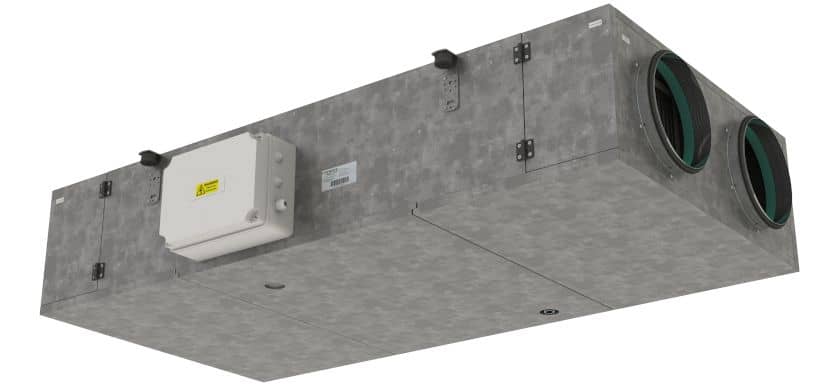
Heat recovery air exchanger is designed to balance indoor air quality with energy efficiency, making them a critical component in modern building design. Central to their operation is the ability to transfer heat from outgoing stale air to incoming fresh air, ensuring minimal energy loss during the ventilation process. This approach not only supports a comfortable indoor environment but also contributes to reducing overall energy consumption. By integrating advanced heat exchange technology, these systems address the growing demand for sustainable solutions in both residential and commercial properties. Their ability to maintain optimal indoor air quality while conserving energy highlights their importance in achieving environmentally conscious and energy-efficient building practices.
Understanding Heat Energy Recovery Air Exchanger Systems
Heat energy recovery air exchanger systems function by transferring thermal energy between outgoing and incoming airflows, ensuring efficient heat retention while maintaining separate air streams. Within the exchanger, the process utilises a specialised core that facilitates this energy transfer without mixing the stale and fresh air. This method allows buildings to minimise energy loss, reducing reliance on external heating or cooling sources.
By integrating advanced engineering principles, these systems are capable of maintaining stable indoor temperatures even in extreme external conditions. The ability to provide fresh air while conserving energy makes them a sustainable and practical choice for modern buildings, aligning with contemporary standards for energy efficiency and environmentally responsible design.
The Role of HRV Systems in Modern Buildings
HRV systems play a significant part in maintaining balanced airflow within modern buildings, ensuring a consistent exchange of fresh and stale air while minimising energy wastage. These units are designed to filter pollutants such as dust and allergens, contributing to healthier indoor environments. By operating in conjunction with heating and cooling systems, they optimise overall energy performance and enhance climate control.
Their integration into modern buildings supports compliance with stricter energy efficiency regulations and sustainability goals. The ability to maintain indoor comfort and improve air quality makes HRV systems a valuable addition to residential and commercial properties, reflecting the increasing emphasis on energy-conscious building designs and occupant well-being.
Exploring the HRV Heat Transfer System
The HRV heat transfer system operates by exchanging thermal energy between outgoing and incoming air streams through a specialised core. This core is engineered to transfer heat effectively while keeping the two airflows separate, preventing contamination. Materials with high thermal conductivity are often utilised to ensure efficient energy exchange. The process helps in maintaining stable indoor temperatures, reducing the workload on external heating or cooling systems. The design ensures minimal energy waste while providing fresh, filtered air to indoor spaces.
By recovering heat that would otherwise be lost, these systems support energy efficiency and contribute to creating a balanced and comfortable indoor environment, particularly in climates with significant temperature differences between indoor and outdoor conditions.
Cost Implications of HRV Systems
The financial aspect of HRV systems encompasses both initial costs and long-term savings. Installation expenses may include the purchase of the unit, ductwork, and professional services, which can be higher compared to traditional systems. However, the efficiency of HRV systems in conserving energy significantly reduces ongoing operational costs.
By reclaiming heat from exhausted air, these systems lessen the demand on heating and cooling systems, particularly in climates with temperature extremes. Over time, this reduction in energy usage can lead to notable savings on utility bills.
Furthermore, the durability of HRV components often translates to lower maintenance costs, making these systems a practical investment for achieving energy efficiency while managing operational expenditure in residential and commercial settings.
Environmental Impact of Heat Recovery Systems
Heat recovery systems play a crucial role in reducing energy consumption within buildings by recycling heat that would otherwise be wasted. This efficient use of energy leads to a decrease in the dependence on non-renewable energy sources, directly contributing to the reduction of greenhouse gas emissions.
By enabling effective ventilation while maintaining indoor temperatures, these systems provide a sustainable solution for improving air quality without excessive energy usage. The incorporation of such technology aligns with global efforts to mitigate environmental impact through energy-efficient practices.
Additionally, their contribution to lowering heating and cooling demands supports the development of environmentally responsible buildings, promoting long-term sustainability while addressing the growing need for energy conservation in modern construction practices.
Components of Heat Recovery Air Exchanger
The components of a heat recovery air exchanger are designed to work together to ensure efficient ventilation and heat transfer. The heat exchanger core is the central element, enabling thermal energy exchange between incoming and outgoing airflows. Fans are used to maintain consistent air movement through the system, ensuring effective operation. Filters play a crucial role in removing dust, allergens, and other airborne particles, thereby enhancing the quality of the air delivered indoors.
Additionally, control systems are implemented to regulate airflow rates and system performance. The choice of materials for these components, including corrosion-resistant and thermally conductive elements, significantly impacts the durability and efficiency of the exchanger, ensuring reliable operation over extended periods.
Technological Advancements in HRV Systems
Recent innovations in heat recovery ventilation units have led to enhanced energy efficiency and improved user functionality. The integration of sensors and automated control systems enables these units to adapt ventilation rates based on real-time indoor and outdoor air conditions. Advanced materials in heat exchanger cores have increased thermal conductivity, resulting in more effective heat transfer.
Developments in filtration technology have also improved air purification capabilities, allowing for better removal of fine particles and pollutants. Furthermore, noise reduction technologies have been incorporated into fan designs, ensuring quieter operation. These advancements not only refine system performance but also contribute to the alignment of HRV systems with contemporary building standards and the evolving priorities of sustainable construction practices.
Installation Process of HRV Unit
The installation process for HRV unit involves careful planning to ensure optimal functionality and energy efficiency. It begins with evaluating the building’s ventilation requirements to determine the appropriate unit size and placement. The unit is typically installed in a location that allows for efficient airflow throughout the property. Ductwork must be precisely configured and sealed to prevent air leakage and maintain system efficiency. Proper insulation of ducting is essential to minimise energy loss.
Electrical connections are established to power the unit and its control systems. Compliance with local regulations and building codes is a critical step during installation. Professional expertise is often utilised to ensure that the system is set up to operate at its maximum potential.
Maintenance and Longevity of HRV Systems
Regular maintenance of HRV systems is vital for sustaining their efficiency and prolonging their operational lifespan. Key tasks include routinely cleaning or replacing filters to ensure consistent airflow and removing accumulated debris that could impede performance. The heat exchanger core should be inspected and cleaned periodically to maintain effective thermal energy transfer.
Additionally, checking the condition and functionality of fans helps to prevent mechanical issues that may compromise the system’s efficiency. Monitoring control systems ensures that ventilation rates and energy usage are optimally balanced. Implementing these maintenance practices not only supports the system’s reliable operation but also upholds the quality of indoor air. A well-maintained HRV system remains an effective solution for energy-efficient ventilation in various settings.
Comparing HRV Systems with Traditional Ventilation
Traditional ventilation methods typically rely on exhaust fans to expel stale air without recovering any thermal energy, resulting in significant heat loss. In contrast, heat recovery ventilation systems are engineered to recapture heat from outgoing air and transfer it to incoming fresh air, reducing the energy required for temperature regulation. This innovative approach not only enhances energy efficiency but also maintains a more stable indoor climate.
Additionally, HRV systems often include advanced filtration mechanisms, which help to improve indoor air quality by removing pollutants, a feature that traditional systems generally lack. By offering a more comprehensive solution for ventilation and temperature control, HRV systems demonstrate a distinct advantage over conventional approaches in modern building applications.
Regulations and Standards for HRV Systems
Regulations and standards governing HRV systems are established to ensure their safe and efficient integration within buildings. These guidelines address aspects such as minimum ventilation rates, energy recovery efficiency, and noise levels, promoting consistent performance across installations.
Compliance with these standards ensures that systems meet environmental and energy efficiency objectives while safeguarding occupant health. Certifications and regional building codes often specify requirements related to material durability, installation practices, and maintenance accessibility.
Adhering to these regulations is critical for achieving optimal functionality, aligning with sustainability targets, and ensuring compatibility with modern construction techniques. Such frameworks uphold reliability and consistent performance across diverse applications.
Future Prospects of Heat Recovery Ventilation
The future of heat recovery ventilation is shaped by advancements in energy-efficient technologies and the increasing emphasis on sustainable construction. Emerging trends indicate a focus on integrating smart technologies, such as adaptive sensors and automated controls, to optimise performance based on environmental conditions. Materials with enhanced thermal properties are likely to improve energy transfer efficiency further, while developments in filtration systems will continue to enhance indoor air quality.
As building regulations increasingly prioritise energy conservation, heat recovery ventilation systems are anticipated to play a central role in achieving these objectives, reflecting the growing commitment to environmentally responsible building practices.
Conclusion
A heat recovery air exchanger represents a crucial advancement in sustainable building design across Australia. By reclaiming energy from outgoing air, these systems significantly reduce thermal loss, lower power bills, and lessen reliance on artificial heating and cooling. Modern units integrate sophisticated filtration and smart control mechanisms, ensuring continuous delivery of fresh, clean indoor air while eliminating moisture, allergens, and airborne pollutants. Professional installation combined with routine maintenance preserves system longevity and maintains peak thermal efficiency. As strict Australian building codes place greater emphasis on energy conservation and environmental responsibility, adopting HRV technology remains an essential strategy for creating healthier, highly efficient, and sustainable indoor spaces.
FAQs
How does a heat recovery air exchanger operate?
A heat recovery air exchanger transfers thermal energy between outgoing stale air and incoming fresh air using a specialised conductive core. The two air streams pass adjacent to each other without directly mixing. Warm outgoing air transfers its heat to the cool incoming air, conserving thermal energy and keeping indoor temperatures stable while maintaining continuous ventilation.
What are the main advantages of installing an HRV system?
Installing an HRV system significantly reduces energy consumption by recapturing heat that would otherwise escape. It delivers fresh, continuously filtered outdoor air, removing dust, allergens, and excess humidity from indoor spaces. Consequently, property owners enjoy improved indoor air quality, reduced reliance on main heating appliances, and lower long-term utility expenses throughout Australia.
How often do HRV systems require routine maintenance?
HRV systems require simple maintenance every three to six months to maintain peak performance. Homeowners should inspect and vacuum or replace air filters to keep airflow unimpeded. Additionally, the heat exchanger core and fans should be inspected and cleaned annually by a qualified professional to prevent dust accumulation, ensure proper drainage, and prevent mechanical wear.
Can an HRV unit replace a standard heater or air conditioner?
An HRV unit is designed to complement, rather than completely replace, primary heating and cooling systems. While it significantly reduces the workload on central air conditioners or heaters by pre-warming or pre-cooling incoming outdoor air, it does not generate substantial heat on its own. It acts as an energy-conserving ventilation solution for balanced climate control.
Why are HRV systems superior to traditional exhaust ventilation?
Traditional exhaust ventilation simply expels indoor air outside, wasting the thermal energy used to heat or cool that air. In contrast, HRV systems recover up to ninety percent of outgoing heat energy. They also feature multi-stage filtration to catch outdoor pollutants and dust, providing superior air purity, moisture management, and energy conservation.
| Related Business Listings |
| Contact Directory |
| Local Business Profiles |