A rug can completely change how a room feels. It can add warmth, texture, color, and personality without changing the furniture. Handmade area rugs take that transformation a step further. Each piece reflects skilled craftsmanship, carefully chosen materials, and a design tradition that can last for generations.
Choosing a rug, however, takes more thought than picking a beautiful pattern. You need to consider size, construction, fiber, placement, traffic, and maintenance. This guide will help you understand those details. You’ll also learn how to choose a rug that looks beautiful today and remains useful for years.
What Are Handmade Area Rugs?
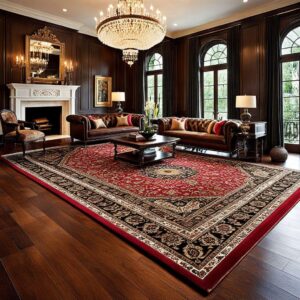
Handmade area rugs are crafted by skilled artisans instead of being produced entirely by automated machines. Depending on the technique, an artisan may knot, weave, or tuft the fibers by hand. This creates subtle variations in texture, pattern, and color that give each rug its own personality.
The construction method also affects durability and value. Hand-knotted rugs usually receive individual knots across a foundation. Hand-woven rugs use interlacing fibers, while hand-tufted rugs use a different process. Understanding these methods makes it easier to compare rugs before making a purchase.
How Handmade Rugs Are Crafted
The journey begins with the selection of fibers, colors, and design details. Artisans then build the rug using a chosen construction technique. After the main work ends, the rug may be trimmed, washed, stretched, and finished by hand.
This process takes patience. A detailed rug may require months of skilled work. Small differences aren’t necessarily flaws. In many cases, they show that a real person created the piece rather than a machine copying the same pattern repeatedly.
Why Choose Handmade Area Rugs?
A well-made rug can become the visual foundation of a room. It can connect furniture, soften hard flooring, and create a comfortable sense of balance. Handcrafted rugs also offer textures and patterns that can feel more expressive than mass-produced flooring.
There is another advantage worth considering. Quality materials and careful construction can help a rug withstand regular use. With proper maintenance, some pieces can remain attractive for decades. That makes craftsmanship important when you’re thinking about both immediate style and long-term value.
Handmade vs. Machine-Made Rugs
Machine-made rugs offer consistency and can suit shoppers working with tighter budgets. Handmade pieces generally provide greater individuality and visible craftsmanship. Neither choice fits every room, so consider how you use the space before deciding.
| Feature | Handmade Rugs | Machine-Made Rugs |
|---|---|---|
| Construction | Artisan craftsmanship | Automated production |
| Appearance | Natural variations | Highly uniform |
| Texture | Often more distinctive | Usually consistent |
| Production time | Usually longer | Usually faster |
| Customization | Often possible | Usually limited |
| Longevity | Depends on construction and care | Depends on materials and construction |
Popular Types of Handmade Rugs
The handmade rug world includes many design traditions. Persian rugs often feature detailed motifs and carefully balanced compositions. Tribal rugs may use geometric shapes, earthy colors, and expressive symbols. Contemporary pieces can use simpler patterns with modern color combinations.
You can also find transitional, antique, Oriental, and custom designs. Each style creates a different atmosphere. For example, a traditional room may welcome an ornate pattern. A minimalist space may look better with restrained colors and subtle texture.
Choosing a Rug Style for Your Interior
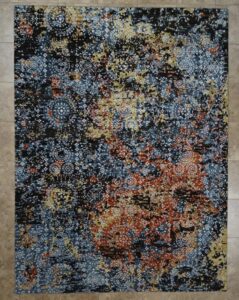
Start with the room instead of starting with the rug. Look at your furniture, flooring, artwork, wall color, and lighting. A detailed rug can bring energy to a simple room. A quiet design can calm a space filled with bold furniture.
For a modern home, contemporary area rugs can add warmth without making the room feel overly traditional. Transitional designs can bridge classic and modern furniture. The best choice should feel connected to the room’s overall character.
Best Materials for Handmade Area Rugs
Material affects everything from comfort to maintenance. Wool rugs remain popular because wool is naturally resilient and comfortable underfoot. It can work well in living rooms, bedrooms, hallways, and other spaces that receive regular activity.
Silk creates a different experience. Its fine fibers can produce delicate details and a gentle sheen. Cotton can offer a lighter feel, while other natural fibers create a relaxed appearance. Your choice should reflect traffic, pets, children, sunlight, and how much maintenance you’re willing to provide.
Wool vs. Silk Rugs
Wool generally suits homeowners who want durability and everyday practicality. Its natural resilience makes it useful in active rooms. Silk offers exceptional detail and visual elegance, but it usually deserves more careful placement and handling.
Think about lifestyle before appearance alone. A delicate rug in a busy hallway may require more attention than expected. A durable wool rug can often provide a better fit for areas where people gather every day.
How to Choose the Right Rug Size
Size has a surprisingly strong effect on room design. A rug that’s too small can make furniture appear disconnected. A properly sized rug can bring the main pieces together and create a more intentional layout.
Measure before shopping. Use painter’s tape to mark the proposed dimensions on your floor. This simple trick lets you test proportions before buying. In dining rooms, allow enough space for chairs to remain on the rug when pulled away from the table.
Area Rug Placement for Different Rooms
Living rooms often benefit from rugs that connect the main seating pieces. Bedrooms require attention to bed position and walking space. Dining rooms need enough rug area around the table and chairs.
In open-plan homes, rugs can also create visual zones. One rug can define the living area while another establishes the dining space. This approach gives a large room structure without building physical walls.
How to Choose Rug Colors and Patterns
Color should work with the entire room. Consider flooring, upholstery, walls, artwork, and natural light before making your decision. A rug can repeat an existing color or introduce a carefully controlled contrast.
Pattern deserves equal attention. A complex design can become the room’s focal point. A restrained pattern can quietly support other features. If you’re uncertain, photograph your room during daylight. Then compare different rug colors against the image.
Creating Balance With a Statement Rug
A statement rug can bring drama to an otherwise simple room. However, it needs breathing room. If every element demands attention, the space can quickly feel crowded.
For example, a richly detailed Persian design can work beautifully with simple furniture. The rug becomes the centerpiece. Sofas, tables, and accessories then provide a calm supporting role.
How Much Do Handmade Rugs Cost?
There is no single price for a handmade rug. Size matters, but it isn’t the whole story. Rug craftsmanship, material, knot density, age, condition, rarity, origin, and design complexity can all influence the final price.
Two rugs of the same size may have very different values. A finely detailed silk rug may require extensive labor. An antique piece may also carry historical or artistic importance. Instead of looking only at price, consider what the rug offers in terms of construction, condition, and long-term appeal.
| Pricing Factor | Why It Matters |
|---|---|
| Size | Larger rugs require more materials and labor |
| Material | Fine fibers can increase cost |
| Construction | Detailed craftsmanship requires more work |
| Knot density | Greater detail can require additional labor |
| Age | Antique pieces may have added historical value |
| Condition | Damage can affect desirability and value |
| Rarity | Unusual pieces may attract greater interest |
How to Identify a High-Quality Handmade Rug
Start by examining the back. The construction can reveal whether individual knots or handwoven structures are visible. You should also inspect the edges, fringe, pile, and overall finish. A quality rug should feel consistent with its construction and intended use.
Don’t mistake every irregularity for poor workmanship. Handmade textiles naturally contain small variations. In fact, these details can be part of their appeal. If you’re considering a valuable antique or collectible piece, professional evaluation can provide additional confidence.
Questions to Ask Before Buying
Ask about the rug’s material, construction, origin, age, and care requirements. If someone describes it as antique, ask whether its age and history can be supported.
You should also ask about cleaning, restoration, returns, and viewing options. For an expensive purchase, information matters. A knowledgeable retailer should be comfortable explaining why a particular rug suits your space and lifestyle.
Caring for Handmade Area Rugs
Proper care starts with prevention. A quality rug pad can help reduce movement and protect the rug from unnecessary friction. Regular vacuuming can remove loose soil. However, use a setting suitable for the rug’s construction and avoid aggressive treatment.
Sunlight also deserves attention. Prolonged exposure can affect some dyes over time. Spills should receive prompt care. Blot gently instead of scrubbing. For valuable, antique, or delicate rugs, professional cleaning is usually safer than experimenting with household products.
When Should a Rug Be Professionally Cleaned?
Professional cleaning may be appropriate when a rug develops deep soil, odors, stubborn stains, or visible dullness. The correct method depends on its fiber, dyes, construction, and condition.
Older rugs can require additional care. Before cleaning an important piece, a specialist can inspect the rug and identify potential risks. This approach helps protect delicate fibers and prevents a small cleaning issue from becoming expensive damage.
Handmade Rugs for American Home Styles
American homes cover a wide range of design styles. Southwestern rooms can pair naturally with tribal patterns and earthy tones. Traditional spaces can accommodate intricate designs. Coastal interiors may benefit from lighter colors and relaxed textures.
Modern homes offer another interesting opportunity. A handcrafted rug can soften clean lines and add depth to simple furniture. Transitional interiors are particularly flexible. They allow classic patterns to sit comfortably beside contemporary pieces.
Custom Handmade Rugs for Unique Spaces
Standard rug sizes don’t work for every room. Large living areas, unusual floor plans, and specific furniture layouts can create awkward gaps. Custom rugs provide another solution. You can consider dimensions, colors, materials, and patterns together.
Custom design can be especially useful for interior designers. Instead of forcing a room to fit an available rug, the rug can become part of the original design plan. This creates a more cohesive result and gives the finished space a more personal identity.
When Is a Custom Rug Worth It?
Customization makes sense when standard dimensions cannot create the right proportions. It can also help when you have a specific color palette or want a distinctive pattern.
The goal isn’t simply to create something unusual. A successful custom rug should solve a design need. It should also complement the architecture, furniture, and way you use the room.
Where to Buy Handmade Area Rugs in the USA
A reputable retailer should offer more than attractive photographs. Look for clear information about materials, construction, origin, condition, and care. Experienced specialists should also explain differences between rugs instead of simply pushing the most expensive option.
For shoppers exploring handcrafted pieces, Persian and Oriental rugs offer rich design traditions and many choices. Buyers can also explore custom rug design when standard pieces don’t suit their space. In-home viewing can be useful because a rug may look completely different under your home’s lighting.
Frequently Asked Questions About Handmade Area Rugs
Are Handmade Area Rugs Worth the Investment?
A quality rug can offer lasting beauty, useful performance, and distinctive craftsmanship. Its value depends on construction, material, condition, rarity, and how well it fits your needs.
How Long Can Handmade Rugs Last?
A well-constructed rug can last for decades with suitable care. Some antique rugs have remained in use for generations. Proper cleaning, rotation, padding, and careful placement can help extend a rug’s useful life.
Are Handmade Rugs Better Than Machine-Made Rugs?
They serve different needs. Handmade rugs provide artisan craftsmanship and individual character. Machine-made rugs can provide consistent designs at accessible prices. Your lifestyle, budget, and design goals should guide the choice.
What Is the Best Material for a Handmade Rug?
Wool is a practical option for many active rooms. Silk can provide exceptional detail and elegance. The best material depends on traffic, placement, maintenance, appearance, and budget.
How Can You Tell if a Rug Is Handmade?
Inspect the back, knots, edges, fringe, and overall construction. For valuable pieces, professional assessment can provide greater confidence about construction and condition.
How Often Should Handmade Rugs Be Cleaned?
There isn’t one schedule for every rug. Cleaning depends on foot traffic, household conditions, fiber, and construction. Regular maintenance helps prevent soil from becoming deeply embedded.
Can Handmade Area Rugs Be Customized?
Yes. Custom rugs can be designed around specific dimensions, colors, patterns, and materials. They’re useful when a standard rug cannot provide the right size or visual balance.
What Size Rug Works Best in a Living Room?
Choose a size that connects the primary seating arrangement. Measure the furniture and available floor space first. Mark the potential rug dimensions with tape to test the layout.
Final Thoughts on Handmade Area Rugs
The right rug can do much more than cover a floor. It can define a seating area, soften architecture, introduce texture, and connect separate design elements. Handmade area rugs also bring individuality to spaces where mass-produced products can sometimes feel predictable.
Take your time before choosing one. Consider construction, material, size, color, placement, maintenance, and craftsmanship. When those elements work together, the rug becomes more than decoration. It becomes a lasting part of the room.
For homeowners seeking carefully crafted pieces, luxury handmade rugs can offer a wide range of styles and materials. Whether you’re furnishing one room or planning an entire home, the right rug should feel beautiful, practical, and genuinely suited to your space.