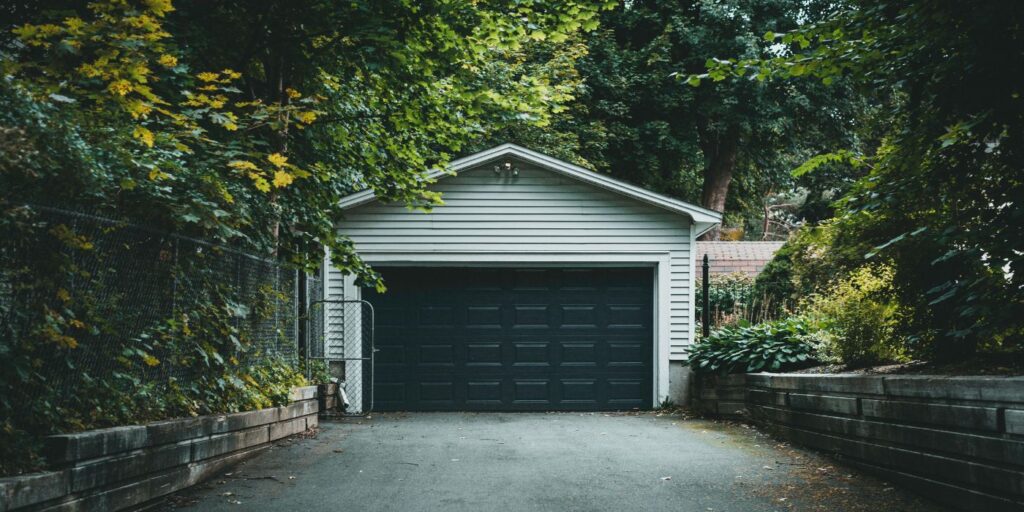
A garage door is one of the largest moving parts in a home, and it plays a major role in security, convenience, energy efficiency, and curb appeal. Many homeowners use their garage door several times a day without giving much thought to the system behind it. When a problem appears, such as unusual noises, slow movement, or a door that will not open, it can quickly become a safety concern and disrupt daily routines.
Understanding the basics of garage door repair and installation can help homeowners make informed decisions and avoid unnecessary damage. This guide explains common garage door problems, practical maintenance tips, warning signs that require professional attention, and what to expect during a new garage door installation. The information is written for homeowners across the United States and focuses on safe, reliable garage door care.
Understanding How a Garage Door System Works
A typical residential garage door consists of several connected components that work together to open and close the door smoothly. These include panels, tracks, rollers, hinges, springs, cables, and an automatic opener. When the opener is activated, the springs help counterbalance the weight of the door, allowing it to move with less effort.
Because these parts are under tension and experience regular wear, even a small issue can affect the performance of the entire system. A loose hinge may create vibration, worn rollers can cause noise, and a damaged spring can prevent the door from opening safely. Knowing the purpose of each component helps homeowners recognize problems early and communicate clearly when service is needed.
Common Garage Door Problems Homeowners Face
Garage doors are exposed to changing temperatures, humidity, dust, and constant movement. Over time, several common problems may develop.
Noisy operation
Grinding, squeaking, rattling, or banging sounds usually indicate worn rollers, loose hardware, or insufficient lubrication. Noise is often one of the first signs that maintenance is needed.
Door moves unevenly
If one side of the door rises faster than the other, the problem may involve the springs, cables, or tracks. Uneven movement should be addressed promptly because it can place extra stress on the system.
Door reverses before closing
Modern garage door openers include safety sensors near the floor. Dirt, misalignment, or an obstruction can cause the door to reverse unexpectedly.
Slow response time
A door that hesitates before opening may have opener issues, electrical problems, or worn mechanical components.
Remote or wall switch not working
Dead batteries, wiring issues, or opener malfunctions can prevent the system from responding to commands.
Identifying these symptoms early can prevent more expensive repairs later.
Essential Garage Door Maintenance Tips
Routine maintenance is one of the best ways to extend the life of a garage door system. Homeowners can perform several basic tasks safely.
Inspect hardware regularly
Check brackets, hinges, and track supports for loose bolts or screws. Tightening hardware helps reduce vibration and wear.
Lubricate moving parts
Apply a garage door lubricant to rollers, hinges, and springs according to manufacturer recommendations. Avoid heavy grease that attracts dirt.
Clean the tracks
Remove dust and debris from the tracks with a dry cloth. Tracks should remain clean and free of obstructions.
Test the balance
Disconnect the opener and lift the door halfway by hand. A properly balanced door should stay in place. If it falls or rises, the spring system may need adjustment by a professional.
Check safety sensors
Make sure both sensors are clean and aligned. Their indicator lights should show normal operation.
Performing these tasks every few months can improve performance and reduce unexpected breakdowns.
Repair Tips from Garage Door Professionals
Many homeowners search for advice from Garage Door Experts Hollywood when they notice early signs of wear. While some maintenance tasks are suitable for homeowners, repairs involving springs, cables, and opener mechanisms require extra caution because these parts are under significant tension.
Start by identifying the symptom rather than guessing the cause. If the door makes noise, inspect the rollers and hinges. If the opener runs but the door does not move, stop using the system and check whether the door is disconnected from the opener carriage. Avoid forcing the door open, as this can damage additional components.
When troubleshooting, always disconnect power to the opener before inspecting mechanical parts. Replace worn weather seals promptly to keep out moisture, pests, and outdoor air. If a roller is cracked or heavily worn, replacing it early can prevent track damage.
A useful rule is to stop and seek professional service whenever the door appears crooked, a cable looks loose, or a spring shows visible damage. Continuing to operate the door in these conditions can create a serious safety hazard.
Warning Signs That Require Professional Repair
Some garage door issues should never be treated as a do-it-yourself project. Contact a qualified technician if you notice any of the following:
- A broken torsion or extension spring
- Frayed or loose lifting cables
- A door that is off its tracks
- Bent or damaged tracks
- A door that slams shut
- Burning smells from the opener motor
- Repeated tripping of electrical breakers
- Structural damage to door panels
Springs store significant energy, and improper handling can cause severe injury. Professional repair is the safest option for these conditions.
When Repair Is No Longer the Best Option
Homeowners often wonder whether to repair an older garage door or replace it entirely. Replacement may be the better investment when repairs become frequent or the door no longer meets safety and efficiency expectations.
Consider replacement if the door is more than 15 to 20 years old, has extensive rust or rot, lacks modern safety features, or has sustained major impact damage. Newer doors generally provide better insulation, quieter operation, improved security, and a fresh appearance that can increase curb appeal.
Comparing the cost of repeated repairs with the long-term benefits of a new system can help determine the most economical choice.
Choosing the Right Garage Door for Your Home
Selecting a new garage door involves more than choosing a style. The right door should suit the home’s architecture, climate, and daily use.
Steel doors
Steel is durable, low maintenance, and available in many finishes and insulation levels. It is a popular choice for most U.S. homes.
Aluminum doors
Aluminum is lightweight and resistant to rust, making it suitable for humid or coastal areas.
Wood doors
Wood offers a classic appearance but requires regular maintenance to protect against moisture and weather exposure.
Composite doors
Composite materials provide the look of wood with lower maintenance requirements.
Insulated doors are especially beneficial when the garage is attached to the home, used as a workspace, or located in areas with hot summers or cold winters.
Step-by-Step Garage Door Installation Guide
Professional installation ensures that the door operates safely and efficiently. Although procedures vary by model, the process generally follows these steps.
Site preparation
The opening is measured carefully, and the condition of the framing is checked. Any damaged wood or structural issues should be repaired before installation.
Remove the old door
Existing panels, tracks, springs, and hardware are removed safely. Power to the opener is disconnected during this process.
Install tracks and hardware
Vertical and horizontal tracks are secured according to manufacturer specifications. Proper alignment is critical for smooth operation.
Assemble door sections
The door panels are connected with hinges and rollers and placed into the tracks section by section.
Install springs and cables
The counterbalance system is installed and adjusted to support the weight of the door.
Connect the opener
The opener is attached, travel limits are set, and safety sensors are aligned.
Test operation
The door is opened and closed several times to confirm smooth movement, correct balance, and proper safety reversal.
A professional installation typically takes a few hours, depending on the complexity of the system.
Safety Features Every Modern Garage Door Should Have
Modern garage door systems include important safety features designed to protect people, pets, and property.
Auto-reverse mechanism
The door reverses direction if it contacts an object while closing.
Photoelectric safety sensors
Infrared sensors near the floor stop the door if the beam is interrupted.
Manual release handle
Allows the door to be operated manually during a power outage.
Rolling-code technology
Changes the remote control code after each use to reduce the risk of unauthorized access.
Homeowners should test these features regularly to ensure they function properly.
Seasonal Garage Door Care in the United States
Garage door performance can change with the seasons.
Spring
Inspect hardware, clean tracks, and lubricate moving parts after winter weather.
Summer
Heat can affect metal components and opener performance. Check weather seals and ventilation.
Fall
Remove leaves and debris from around the door and inspect seals before colder weather arrives.
Winter
Keep ice away from the bottom seal and avoid forcing a frozen door open.
Seasonal maintenance helps prevent weather-related damage and keeps the system operating smoothly year-round.
Improving Energy Efficiency and Security
An attached garage can influence indoor comfort and energy costs. To improve efficiency, choose an insulated door with a suitable insulation rating, replace worn weather stripping, and seal gaps around the frame.
For better security, use a modern opener with rolling-code technology, keep remotes secure, install motion-activated lighting near the garage, and inspect locks and manual release mechanisms periodically. These upgrades can make the garage safer and more energy efficient.
What Homeowners Should Ask Before Hiring a Garage Door Professional
Before scheduling service or installation, ask a few important questions:
- Are you licensed and insured where required?
- What type of warranty is provided on parts and labor?
- Will you inspect the entire system, not just the reported problem?
- What maintenance is recommended after repair or installation?
- Can you provide a written estimate before work begins?
Clear communication helps homeowners understand the scope of work and avoid unexpected costs.
Conclusion
A garage door is a major mechanical system that deserves regular attention. Simple maintenance tasks such as lubrication, inspection, and sensor cleaning can prevent many common problems, while prompt professional repair can protect both safety and property. When a door becomes unreliable or outdated, replacement may provide better performance, efficiency, and curb appeal for years to come.
For homeowners considering professional service or planning a new Garage Door Installation South Florida, it is important to work with experienced technicians who focus on safe installation practices and long-term reliability. Learn more about garage door repair, maintenance, and installation solutions.