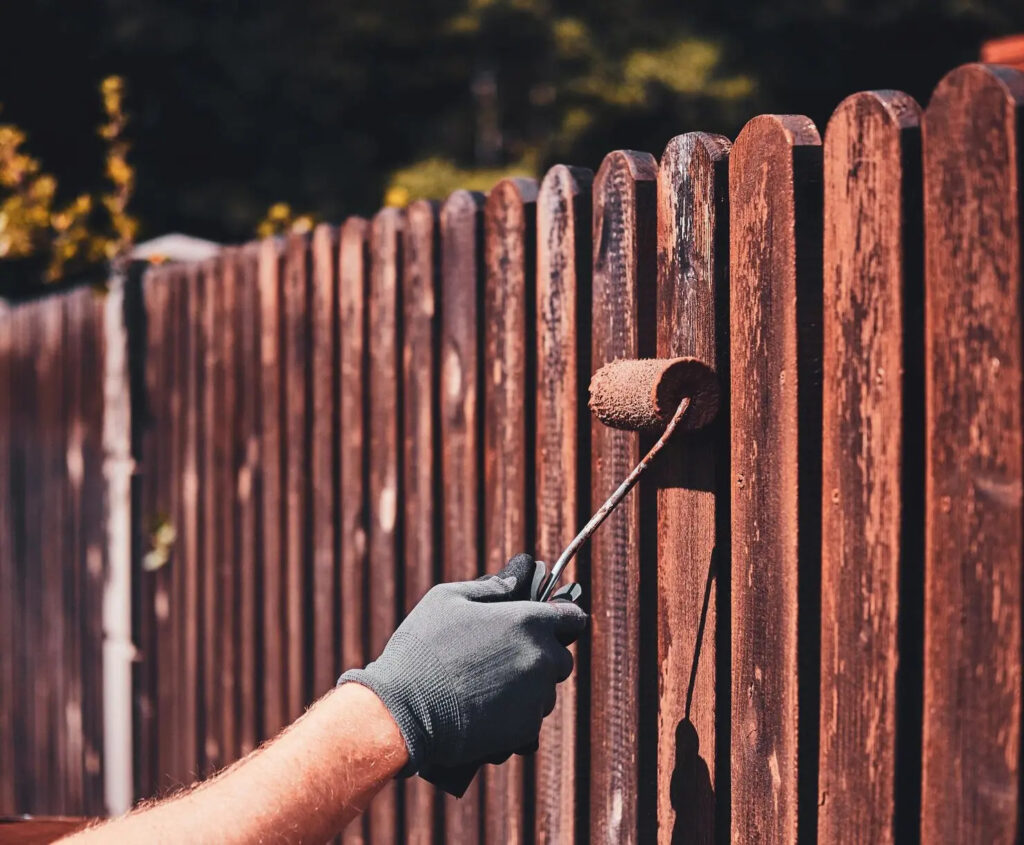
A well-built fence can make a big difference in the appearance, safety, and privacy of your property. Whether you own a home or manage a commercial property, the right fence helps define boundaries, protect outdoor spaces, and create a more comfortable environment. However, choosing and installing a fence requires careful planning, from selecting suitable materials to understanding property lines and local requirements.
For property owners considering fence installation Arlington TX or fence installation Mansfield TX, understanding the available options can make the entire process easier. A fence should complement your property, meet your practical needs, and provide dependable performance over time.
This guide explains the main factors to consider before installing a new fence, including materials, design choices, installation preparation, and ongoing maintenance.
Why Professional Fence Installation Matters
Fence installation involves more than placing posts and attaching panels. A properly installed fence needs a stable foundation, accurate measurements, and a design that works with the property’s layout.
Professional installation can help prevent common problems such as leaning posts, uneven panels, loose sections, and early material damage. Experienced installers understand how to work with different soil conditions, slopes, and property layouts.
A properly planned fence can provide several benefits:
-
Improved privacy: A suitable fence creates a more private outdoor space for families and property owners.
-
Better security: Fencing helps establish clear boundaries and can discourage unwanted access.
-
Enhanced appearance: The right style can complement landscaping, exterior colors, and architectural features.
-
Defined property boundaries: A fence makes outdoor spaces easier to organize and maintain.
-
Long-term value: Quality materials and proper installation can reduce the need for frequent repairs.
Choosing professional fence installation is an important step toward achieving a durable and attractive result.
Choosing the Right Fence for Your Property
Every property has different requirements. Some homeowners want privacy around their backyard, while others need a decorative fence that improves curb appeal. Commercial properties may require stronger fencing to establish boundaries and protect equipment or outdoor areas.
Before choosing a fence, consider how you plan to use the space and which features matter most.
Wood Fencing for Privacy and Natural Beauty
Wood fencing remains a popular choice because of its traditional appearance and design flexibility. It works well with many residential properties and can create a warm, welcoming outdoor environment.
Homeowners can choose from different wood styles, heights, and finishes. Privacy fences are especially useful for backyards, patios, and outdoor living areas.
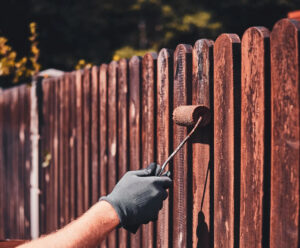
However, wood requires regular care. Cleaning, staining, and sealing can help protect it from moisture, sunlight, and general weather exposure. Property owners should also check for loose boards, damaged posts, and signs of rot.
Vinyl Fencing for Low Maintenance
Vinyl fencing offers a clean appearance without requiring regular painting or staining. It is available in different colors and styles, making it suitable for homeowners who want a consistent look with less maintenance.
Quality vinyl fencing can handle everyday outdoor conditions, although extreme weather and physical impacts can still cause damage. Proper installation is important because secure posts and correct spacing help maintain the fence’s stability.
Metal Fencing for Strength and Visibility
Metal fencing is a practical option for properties that need clear boundaries without completely blocking the view. Aluminum and steel fencing are common choices for front yards, gardens, pool areas, and commercial properties.
These fences can provide a neat, structured appearance while allowing airflow and visibility. The right material and protective finish can also help reduce corrosion and weather-related damage.
Decorative Fencing for Curb Appeal
Some property owners prioritize appearance as much as function. Decorative fencing can add character to a front yard, garden, or outdoor entertainment area.
Options include ornamental metal designs, attractive wood patterns, and customized fence layouts. The best choice depends on the property’s architecture and the desired balance between privacy, visibility, and appearance.
Important Considerations for Fence Installation in Arlington TX
When planning fence installation in Arlington TX, property owners should consider the layout, intended use, and local conditions before selecting a design.
Arlington properties include different residential layouts, landscaping styles, and outdoor space requirements. A fence that works well for one property may not be suitable for another.
Understand Your Property Boundaries
Before construction begins, confirm where your property lines are located. Installing a fence in the wrong position can create disagreements with neighbors and may lead to expensive adjustments.
A property survey can help identify the correct boundaries. It is also important to consider easements, utility areas, and existing structures that may affect fence placement.
Consider Weather and Soil Conditions
North Texas experiences hot summers, seasonal storms, strong winds, and changing moisture conditions. These factors can affect the strength and lifespan of a fence.
Fence posts need proper depth and secure placement to help prevent movement. Material selection should also account for regular sunlight exposure, rain, and temperature changes.
Check Local Rules Before Installation
Fence height, placement, and construction requirements may vary depending on the property and location. Homeowners should review applicable city regulations, neighborhood restrictions, and homeowners association guidelines before starting work.
Taking time to understand these requirements can help prevent unnecessary delays and changes during installation.
Planning Fence Installation in Mansfield TX
Property owners considering fence installation Mansfield TX should begin by identifying the main purpose of the fence. A clear goal makes it easier to choose suitable materials, determine the right height, and plan the overall design.
Mansfield has a variety of residential properties, including homes with spacious backyards, landscaped gardens, and outdoor entertainment areas. A well-designed fence can help bring these spaces together while improving privacy and functionality.
Match the Fence to Your Outdoor Space
A fence should work naturally with the surrounding property. For example, a tall privacy fence may be appropriate for a backyard where families want a more secluded space. A decorative metal fence may be better suited to a front yard where maintaining visibility is important.
Consider existing patios, trees, garden beds, walkways, and outdoor features before deciding on the fence layout.
Choose Materials That Fit Your Lifestyle
The amount of maintenance you are willing to handle should influence your material choice. Wood may appeal to homeowners who appreciate a natural look and do not mind occasional upkeep. Vinyl may be a better fit for those who prefer easier maintenance.
Metal fencing can be useful when durability and visibility are important. Comparing the benefits and maintenance needs of each option helps property owners make a practical decision.
Plan for Gates and Access Points
Gates are an important part of fence design. They provide convenient access to backyards, driveways, gardens, and other outdoor areas.
Think about how people will move through the property and whether wider access is needed for lawn equipment, vehicles, or outdoor maintenance. Proper gate placement can improve everyday convenience and make the fence more functional.
The Fence Installation Process: What to Expect
Understanding the installation process helps property owners prepare for the project and avoid unexpected issues.
Initial Property Assessment
The first step is evaluating the property and understanding the project requirements. Installers consider the total fence length, ground conditions, existing structures, access points, and any landscaping features that may affect construction.
This assessment also helps determine the amount of material required and the most suitable fence design.
Measuring and Preparing the Area
Accurate measurements are essential for a properly fitted fence. The installation area should be checked for uneven ground, underground utilities, tree roots, and other possible obstacles.
Before digging, underground utility lines should be located to reduce the risk of damage. Clearing vegetation and removing obstacles can also make installation easier.
Installing Fence Posts and Panels
Fence posts provide the main support for the entire structure. They must be positioned correctly and secured to create a stable foundation.
Once the posts are installed, the fence panels, boards, or metal sections can be attached. Installers check alignment, spacing, and height throughout the process to maintain a consistent appearance.
Final Inspection and Cleanup
After installation, the entire fence should be inspected. Gates, hinges, fasteners, posts, and panels should be checked to make sure everything is secure and functioning correctly.
The surrounding area should also be cleaned, leaving the property ready to use.
Common Fence Installation Mistakes to Avoid
Even a high-quality fence can develop problems when important installation details are overlooked. Understanding common mistakes can help property owners make better decisions.
Ignoring Property Lines
Installing a fence without confirming property boundaries can create disputes with neighboring property owners. Always verify the location before construction begins.
Choosing Materials Based Only on Price
Lower-priced materials may seem attractive initially, but they may not provide the durability or appearance you expect. Compare material quality, maintenance requirements, and expected lifespan rather than focusing only on the starting cost.
Overlooking Drainage and Ground Conditions
Poor drainage can contribute to soil movement, moisture damage, and unstable fence posts. The fence layout should account for natural water flow and changes in ground level.
Forgetting About Maintenance
Every fencing material needs some level of care. Ignoring small problems can allow minor damage to become more expensive to repair.
How to Maintain Your Fence for Long-Term Performance
Regular maintenance helps protect your investment and keeps your outdoor space looking attractive. The amount of care required depends on the material, installation quality, and surrounding conditions.
Homeowners should follow these basic maintenance practices:
-
Inspect fence posts, panels, and gates regularly for loose or damaged components.
-
Clean dirt, leaves, and other debris from the fence surface.
-
Apply suitable protective treatments to wood fencing when needed.
-
Check metal fencing for rust, loose connections, or damaged finishes.
-
Trim nearby plants and branches to prevent unnecessary pressure against the fence.
-
Make small repairs promptly to prevent further deterioration.
Routine inspections are especially helpful after strong storms or periods of severe weather. Addressing problems early can help extend the useful life of your fence.
Understanding Local Fence Requirements in Arlington and Mansfield
Before beginning a fencing project, property owners should review local regulations. Requirements can cover fence height, approved materials, placement, visibility, and permits.
The City of Arlington provides residential fence standards through its Unified Development Code. Certain new fences and larger replacement projects require permits, and approved material requirements may apply. Property owners can review the city’s residential fence guidelines.
City of Arlington, TX+1
In Mansfield, fence requirements address matters such as placement, height, visibility, and maintenance. The city also provides residential fence standards and application forms. Homeowners should review the Mansfield permit information before starting construction.
Mansfield, TX+1
Checking these requirements early can help prevent delays, additional expenses, and problems after installation.
Conclusion
A well-planned fence can improve privacy, security, appearance, and functionality for residential and commercial properties. Whether you need a new backyard privacy fence, an attractive front yard design, or a durable boundary for your property, selecting suitable materials and ensuring proper installation are essential.
Property owners exploring fence installation Arlington TX or fence installation Mansfield TX should consider their property layout, maintenance expectations, local regulations, and long-term goals before making a decision. Working with experienced professionals can make the process smoother and help achieve dependable results. Salas Outdoors can help property owners take the next step toward creating attractive, functional outdoor spaces with fencing solutions that complement their properties.