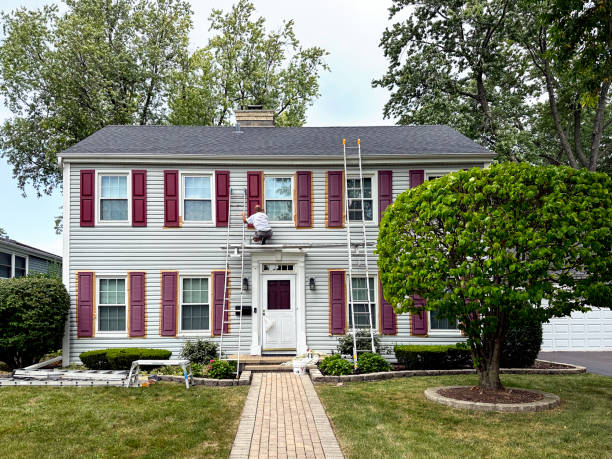
Man painting faded shutters on a saltbox colonial house
A fresh coat of paint can lift a home’s curb appeal and protect it from weather, but the finish is only as good as the work done beforehand. Most peeling, bubbling, and fading problems trace back to rushed preparation, not bad paint. If you are planning exterior painting in Oshkosh WI, a little groundwork will help your investment last far longer. The crew at HD Painting & Roofing LLC often tells homeowners that preparation decides at least half of the final result, so this guide walks through each step you should handle before the first brush touches the siding.
Start With a Careful Surface Inspection
Peeling, Cracking, and Chalking
Walk around the entire house and look closely at the siding, trim, soffits, and fascia. Flaking paint, hairline cracks, and a chalky residue on your hand mean the old coating is failing and needs attention before anything new goes on.
Mildew, Moisture, and Rot
Dark spots may be mildew, while soft or spongy wood points to hidden moisture damage. Probe suspect areas with a screwdriver and replace rotten boards first, because paint cannot fix a structural problem.
Choose the Right Season and Weather Window
Timing matters more than most people realize. Wisconsin swings between humid summers and freezing winters, so the best window for exterior painting in Oshkosh WI is usually late spring through early fall, when temperatures are mild and rain is limited. Check the paint can for minimum application temperatures, which are often around 50 degrees, and avoid painting in direct midday sun or just before rain. Morning dew also needs time to dry, so plan your start after surfaces are fully dry.
Prepare the Surface Properly
This is the stage that separates a lasting job from a short-lived one. Work through the following checklist in order:
- Pressure wash the siding gently to remove dirt, chalk, and mildew.
- Let the surface dry completely, which may take a full day or two.
- Scrape away loose and peeling paint down to solid material.
- Sand rough edges and glossy patches so new paint grips well.
- Fill holes and replace old caulk around windows, doors, and trim.
- Cover plants, walkways, and fixtures with drop cloths and painter’s tape.
Select the Right Paint and Finish
High-quality acrylic latex paint is a popular choice for exteriors because it flexes with temperature changes and resists fading. Beyond the paint type, the finish you choose affects both appearance and durability.
| Finish | Best Used For | Key Benefit |
|---|---|---|
| Flat | Large, smooth siding areas | Hides surface flaws |
| Satin | General siding and shutters | Balanced durability and look |
| Semi-gloss | Trim, doors, and window frames | Easy to wipe clean |
| Gloss | Accents and high-contact spots | Maximum toughness |
Apply the Paint With Care
Primer Comes First
Spot prime bare wood, repaired areas, and stained patches. Primer seals the surface, blocks stains from bleeding through, and helps the topcoat bond evenly.
Brush, Roller, or Sprayer
Sprayers cover large areas quickly, while brushes and rollers give better control and push paint into the surface. Many pros combine methods, spraying first and back-brushing for a smooth, sealed finish.
Two Coats Beat One
A second coat improves color depth and long-term protection. Follow the label for drying times between coats so the paint cures properly.
Decide Between DIY and a Professional Crew
Painting a one-story home is possible for experienced do-it-yourselfers, but taller houses, lead paint concerns, and heavy repairs call for professional help. Ladders, scaffolding, and spray equipment also add cost and risk. When you compare options for exterior painting in Oshkosh WI, ask for references, proof of insurance, and a detailed written estimate that describes prep work, products, and warranty terms. Experienced painters understand local weather and know how to schedule work around it, which saves time and prevents costly redos.
Keep the New Finish Looking Fresh
Once the job is finished, a little upkeep goes a long way. Rinse the siding gently once a year, trim shrubs back from the walls so moisture can dry, and touch up small chips right away. Inspect caulk lines each spring, since gaps let water behind the paint and cause peeling.
Final Thoughts
Great results begin long before the first coat goes on. Inspect carefully, pick the right weather window, prepare thoroughly, and choose quality materials. When you are ready to move forward, contact a trusted exterior painting in Oshkosh WI team and enjoy a home that looks sharp and stays protected for years.
Frequently Asked Questions
How long does exterior paint usually last?
With good preparation and quality paint, a finish can last seven to ten years or more. Sun exposure, weather, and the type of siding all play a role. Regular cleaning and touch-ups help extend that lifespan.
How long does a typical exterior project take?
Most average-sized homes take three to seven days, including prep, priming, and two coats. Large houses or heavy repairs can take longer. Weather delays are common, so ask your painter for a flexible schedule.
Should I pressure wash before painting?
Yes, because paint cannot stick to dirt, chalk, or mildew. Use a low to moderate setting to avoid damaging the siding. Let everything dry fully before you begin.
Is it worth paying for premium paint?
In most cases, yes. Premium paints cover better, resist fading, and hold up longer against rain and sun. The higher upfront cost often saves money by delaying your next repaint.