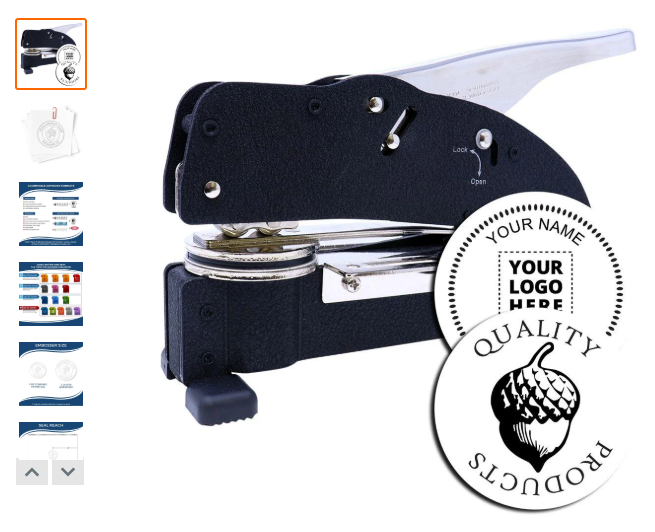
embosser
What Is an Embosser?
An embosser is a specialized tool that creates a raised, three-dimensional impression on paper, cardstock, certificates, envelopes, books, and other materials without using ink. Instead of printing, it presses a custom design into the surface, producing a professional and elegant finish.
Businesses, government offices, notaries, architects, engineers, libraries, and individuals use embossers to add authenticity, branding, and sophistication to important documents. Whether you’re personalizing stationery or authenticating official paperwork, an embosser offers a timeless and durable marking solution.
Why Choose an Embosser?
An embosser provides a clean and premium appearance that cannot be achieved with traditional stamps or printed graphics. Since it creates a permanent raised impression, it cannot easily fade, smear, or rub off over time.
Some of the key benefits include:
- Creates elegant raised impressions without ink
- Adds authenticity to important documents
- Ideal for personal and professional branding
- Long-lasting and reusable
- Customizable with logos, names, initials, or seals
- Provides a professional finish for certificates and official paperwork
Types of Embossers
Desk Embosser
A desk embosser is designed for high-volume use in offices and organizations. It offers excellent stability and requires minimal effort, making it ideal for embossing large numbers of documents throughout the day.
Handheld Embosser
A handheld embosser is lightweight and portable. It is perfect for professionals who travel or need to emboss documents in different locations. Despite its compact size, it delivers crisp and consistent impressions.
Pocket Embosser
Pocket embossers are compact enough to fit in a bag or briefcase. They are commonly used by mobile notaries, inspectors, and professionals who need an embossing solution on the go.
Common Uses of an Embosser
Business Branding
Companies use custom embossers to emboss company logos, business names, and official seals on documents, presentation folders, envelopes, and certificates. The raised impression creates a premium brand image that stands out.
Notary Documents
Many notaries rely on embossers to create official seals on legal documents. The embossed seal adds credibility and helps verify document authenticity.
Personalized Stationery
Individuals often use embossers to personalize invitations, greeting cards, wedding stationery, book collections, and personal correspondence with monograms or initials.
Educational Institutions
Schools, colleges, and universities use embossers for diplomas, certificates, transcripts, and official records to prevent unauthorized duplication and add an extra layer of authenticity.
Libraries
Libraries frequently use embossers to permanently mark books with ownership seals, helping identify valuable collections without damaging the pages.
Custom Embossers for Every Need
Modern embossers can be fully customized to match your requirements. Whether you need a simple name embosser or a detailed corporate logo, custom embossers can produce sharp and professional impressions.
Customization options typically include:
- Company logo
- Business name
- Personal initials
- Official seals
- Custom artwork
- Address information
- Monograms
A custom embosser allows your organization or personal brand to maintain a consistent and professional identity across all printed materials.
Materials Suitable for Embossing
An embosser works best on thicker materials that can hold a raised impression effectively.
Common materials include:
- Standard paper
- Cardstock
- Business cards
- Certificates
- Invitations
- Letterheads
- Envelopes
- Book pages
- Gift tags
- Scrapbooking paper
Selecting the right paper thickness helps produce deeper, clearer impressions.
How an Embosser Works
Unlike traditional rubber stamps, an embosser uses two precision-crafted metal dies. One die contains the raised design, while the other contains the matching recessed pattern. When pressure is applied, the paper is compressed between the dies, creating a permanent embossed image.
This ink-free process results in a clean, elegant, and professional finish suitable for official and decorative applications alike.
Choosing the Right Embosser
Before purchasing an embosser, consider the following factors:
Purpose
Determine whether you’ll use the embosser for personal projects, business branding, legal documentation, or educational certificates.
Usage Frequency
For heavy daily use, a desk embosser offers greater comfort and durability. Occasional users may prefer a handheld model for its portability.
Design Size
Ensure the embossing plate is large enough to accommodate your logo, seal, or custom artwork while maintaining clear detail.
Material Compatibility
Choose an embosser designed to handle the paper thickness and materials you plan to emboss regularly.
Caring for Your Embosser
Proper maintenance extends the life of your embosser and ensures consistently sharp impressions.
Helpful maintenance tips include:
- Store the embosser in a dry location.
- Keep the embossing dies clean and free from debris.
- Avoid forcing thick materials beyond the recommended capacity.
- Handle the alignment mechanism carefully.
- Periodically inspect moving parts for smooth operation.
With proper care, a quality embosser can provide years of reliable performance.
Why Businesses Prefer Embossers
Many organizations choose embossers because they elevate the appearance of official documents while enhancing security. Raised impressions are difficult to replicate using standard printing methods, making embossers valuable for certificates, legal paperwork, licenses, and corporate branding.
In addition, embossers eliminate the need for ink pads, reducing maintenance and keeping documents clean and professional.
Frequently Asked Questions
What is an embosser used for?
An embosser creates raised impressions on paper, certificates, books, envelopes, legal documents, and other printed materials without using ink.
Is an embosser better than a rubber stamp?
Both have unique advantages. A rubber stamp uses ink to create a visible image, while an embosser produces an elegant raised impression that offers a more premium and professional appearance.
Can I customize an embosser?
Yes. Most embossers can be customized with logos, names, initials, official seals, monograms, or other unique designs.
Does embossing damage paper?
No. When used correctly with appropriate paper thickness, embossing creates a clean raised impression without tearing or damaging the material.
How long does an embosser last?
A high-quality embosser can last for many years with proper maintenance and regular cleaning.