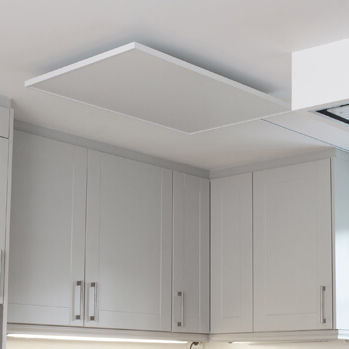
Infrared Ceiling Heat utilises ceiling-mounted panels to provide a uniform and comfortable heating solution. This method relies on radiant energy, in which heat is transferred directly to objects, surfaces, and individuals within a space rather than warming the air. By bypassing air circulation, it prevents the temperature inconsistencies often associated with traditional heating systems. This type of heating offers silent operation and a discreet design, making it an unobtrusive addition to any space. The warmth is evenly distributed across the room, creating a consistent temperature. Additionally, radiant heat ceiling panels can enhance energy efficiency by reducing heat loss typically experienced through ducts or vents in other systems. Its ability to deliver targeted warmth ensures a comfortable environment while minimising unnecessary energy usage.
Benefits of Infrared Ceiling Heat
Infrared Ceiling Heat offers a sophisticated approach to maintaining indoor comfort with consistent, uniform warmth. Unlike traditional systems, which often create temperature variations, this method ensures an even distribution of heat across a room. Its design minimises energy waste by transferring heat directly to surfaces and objects rather than heating the air, which can lead to energy losses.
The system’s silent operation enhances the overall comfort of a space, making it particularly suitable for environments where noise reduction is important. Furthermore, Infrared Ceiling Heat can contribute to lower energy costs by reducing the need for high thermostat settings, as the warmth is felt directly and efficiently. The absence of moving parts also reduces wear and tear, potentially lowering maintenance requirements and making it a practical and efficient solution for modern heating needs.
Ceiling Mounted Infrared Heating Panels
Ceiling mounted infrared heating panels installed on ceilings emit radiant energy that warms objects and surfaces directly rather than relying on air circulation. This approach ensures that heat is delivered precisely where it is needed, resulting in consistent and efficient warmth. These panels are particularly suitable for areas with limited wall or floor space, as they remain discreet and do not interfere with room layouts.
Their slim, modern design allows them to integrate seamlessly into various interior styles, offering both functionality and aesthetic appeal. Furthermore, ceiling-mounted panels eliminate the need for bulky radiators or other heating units, creating a cleaner, uncluttered environment. This type of heating is often utilised in homes, offices, and commercial spaces, where targeted and efficient warmth is required. Their versatility and practicality make them a reliable solution for diverse heating needs.
Installation of Radiant heat Ceiling-mounted panels
The process of installing radiant heat ceil-mounted panels requires careful planning to ensure optimal performance and safety. A professional assessment is typically needed to determine the appropriate panel placement and size based on the room’s dimensions, ceiling height, and insulation levels. Electrical connections must be securely installed to meet safety standards and support efficient operation.
The positioning of the panels plays a crucial role in achieving uniform heat distribution across the space. Proper insulation around the area can also enhance the system’s overall efficiency. Ceiling-mounted systems need to be installed with precision to prevent uneven heating and maximise functionality. Skilled professionals will also verify that the installation complies with local building regulations and safety guidelines. Attention to these details ensures that the heating system operates effectively and contributes to a comfortable indoor environment.
Electric Radiant Heat Ceiling Panels
Electric radiant heat ceiling panels operate by converting electrical energy into infrared heat, which is then emitted downwards to warm surfaces, objects, and individuals directly. This method bypasses the need for air circulation, ensuring consistent, immediate warmth without the delays typically associated with conventional heating systems. These panels are compact, discreet, and designed to integrate seamlessly into ceiling spaces, maintaining the aesthetic appeal of interiors.
Electric systems are highly efficient, as they minimise energy wastage by delivering heat precisely where it is needed. This efficiency reduces energy consumption over time, aligning with sustainable energy practices. The panels are also versatile, making them suitable for both residential and commercial settings. With their quiet operation and the absence of combustion, electric radiant heat ceil-mounted panels provide a modern, clean, and effective approach to indoor climate control.
Energy Efficiency of Radiant Ceiling Systems
Radiant ceiling systems achieve high levels of energy efficiency by directly transferring heat to surfaces and objects within a space, reducing energy losses typically associated with air-based systems. The absence of ductwork or vents prevents unnecessary heat dissipation, allowing for precise temperature control and minimising waste.
These systems require lower energy input to maintain consistent warmth, which can lead to significant energy savings over time. The even heat distribution provided by radiant panels eliminates cold spots, ensuring efficient energy use throughout the space.
Additionally, their rapid heat delivery reduces the time required to achieve the desired temperature, further conserving energy. The compatibility of radiant systems with renewable energy sources, such as solar power, enhances their eco-friendly credentials. This makes them an effective option for those seeking to optimise energy usage in residential or commercial environments.
Design and Aesthetics
Radiant ceiling panels are designed to complement interior spaces without disrupting their visual appeal. Their slim, unobtrusive structure allows them to integrate seamlessly into various ceiling designs, preserving the overall aesthetics of a room. Available in a range of finishes, these panels can be tailored to harmonise with different décors, ensuring a cohesive look.
The elimination of bulky heating equipment, such as radiators, enhances the cleanliness and organisation of spaces. This combination of functionality and subtle design ensures radiant ceiling panels provide efficient heating without compromising style.
Safety Aspects of Infrared Ceiling Heating
Infrared Ceiling Heating systems are engineered with safety in mind, incorporating advanced features to minimise potential risks. These systems often include built-in temperature regulators and automatic shut-off mechanisms, ensuring consistent and controlled operation. Unlike traditional heating systems that rely on combustion, radiant panels do not produce open flames, reducing the risk of fire.
Furthermore, the absence of moving parts diminishes mechanical failures, enhancing overall reliability. Radiant heating also eliminates the circulation of airborne particles, supporting improved indoor air quality. Designed to operate at safe surface temperatures, these systems prevent accidental burns and overheating.
The discreet placement of panels within ceilings reduces physical interference, adding an extra layer of safety, particularly in high-traffic areas. These measures collectively contribute to the secure and efficient functioning of Infrared Ceiling Heating in a variety of settings.
Maintenance of Infrared Ceiling Heating Systems
Proper upkeep of Infrared Ceiling Heating systems ensures their optimal performance and durability. Routine inspections should be carried out to identify any issues with electrical connections or panel functionality. Regularly cleaning the panels prevents dust accumulation, which can affect heat distribution. Ensuring the surrounding insulation remains intact can also contribute to system efficiency.
Additionally, monitoring energy consumption patterns may help detect anomalies that require attention. Addressing minor concerns promptly can prevent more significant issues and maintain consistent, reliable operation.
Environmental Impact of Radiant Heating
Radiant heating systems contribute to environmental sustainability by prioritising energy efficiency and reducing unnecessary energy consumption. Unlike conventional systems that rely on air circulation, radiant heating directly warms objects and surfaces, minimising heat loss and energy waste. The use of electric radiant panels eliminates the reliance on fossil fuels such as gas or oil, helping to lower greenhouse gas emissions. Additionally, these systems have a long operational lifespan, which reduces the need for frequent replacements and associated waste.
Radiant heating’s compatibility with renewable energy sources, such as solar and wind power, further enhances its environmental credentials. By combining efficient energy use with minimal environmental impact, radiant heating aligns with modern efforts to reduce carbon footprints and promote sustainable energy practices. These features make it a viable option for improving indoor comfort while supporting environmental goals.
Cost Implications
The cost implications of Infrared Ceiling Heating involve several factors, including initial installation expenses and potential long-term savings. While the upfront investment may be higher than that of traditional heating systems, the energy efficiency of radiant panels can lead to reduced running costs. Over time, the lower energy consumption associated with these systems helps offset initial expenditures.
Additionally, the durable design of radiant panels often results in minimal maintenance requirements, further lowering ongoing costs. When calculating overall value, it is important to consider the system’s potential for energy savings and its longevity. These factors collectively make Infrared Ceiling Heating an economically viable option for various residential and commercial applications, particularly where efficiency and durability are priorities.
Technological Advancements in Radiant Ceiling Heat
Recent technological advancements have significantly improved the performance and versatility of radiant ceiling heat systems. Innovations in panel materials have enhanced heat distribution and durability, ensuring efficient operation over extended periods. Advanced control systems now offer precise temperature adjustments, allowing for tailored heating in individual spaces. The integration of smart technology has further enabled remote monitoring and automation, promoting energy efficiency.
Developments in sustainable energy compatibility, such as better integration with renewable sources, have also reduced the environmental impact. Additionally, advancements in installation techniques and system designs have streamlined the setup process, reducing installation time and associated costs. These continuous improvements ensure radiant heating systems remain a modern, reliable, and efficient option for diverse heating requirements.
Conclusion
Electric radiant heat ceiling panels offer an innovative, space-saving heating alternative for modern residential and commercial spaces across Australia. Mounted flush or suspended on ceilings, these discreet panels emit far-infrared radiation that directly warms floor surfaces, furnishings, and occupants without heating intervening air masses. This direct thermal transfer eliminates duct energy losses, cold draughts, and noise associated with forced-air systems. Furthermore, radiant ceiling panels enhance indoor air quality by preventing dust circulation and pet dander movement. With simple electrical installation, zero routine maintenance, smart thermostat integration, and excellent compatibility with rooftop solar systems, radiant ceiling panels provide clean, efficient, and sustainable warmth.
FAQs
How do electric radiant heat ceiling panels warm a room?
Electric radiant heat ceiling panels convert electricity into far-infrared radiant energy. Emitted downwards from the ceiling, these invisible heat waves travel unhindered through the air until striking solid objects, floors, and people below. Absorbed thermal energy warms surfaces directly, creating a comfortable, uniform thermal environment without relying on air circulation or convection currents.
Are radiant ceiling panels safe to use in homes?
Yes, electric radiant heat ceil-mounted panels are exceptionally safe for residential application. They contain built-in thermal overload protection, operate without open flames or combustion, and emit zero carbon monoxide or greenhouse gases. Being ceiling-mounted, they remain completely out of reach of children and pets, preventing accidental burn injuries associated with accessible wall heaters or radiators across Australia.
Can radiant ceiling panels save energy compared to convection heaters?
Yes, radiant ceiling panels deliver significant energy savings by heating solid surfaces directly rather than warming large air volumes. Convection systems lose substantial heat through ductwork, ceilings, and ventilation leaks. Radiant heat warms occupants directly at lower room temperatures, allowing thermostats to be set lower while achieving superior thermal comfort and reduced power bills.
Where is the best place to install electric radiant ceiling panels?
Radiant ceiling panels are best installed centrally on ceilings over primary living zones, beds, or workstations to ensure unobstructed downwards heat radiation. They can be mounted directly onto plasterboard ceilings or dropped into standard T-bar ceiling grids. Professional electrical installation ensures optimal placement, correct circuit loading, and seamless smart thermostat connection.
Do electric radiant heat ceil-mounted panels require regular maintenance?
No, electric radiant ceiling panels require virtually no ongoing maintenance. Because they contain no moving parts, motors, fans, or fluid-filled chambers, they are not subject to mechanical wear and tear. Occasional light dusting of the panel face ensures optimal thermal output and preserves the sleek aesthetic finish over their long operational lifespan.
| Related Business Listings |
| Contact Directory |
| Local Business Profiles |