A reliable electricity supply is essential for businesses, construction projects, industrial facilities and commercial operations. However, not every location has access to a permanent mains connection, and existing supplies may not always provide enough capacity for additional equipment. In these situations, hiring a generator can provide a flexible way to access temporary electricity.
Choosing to hire an electric generator can help businesses meet short-term power requirements without purchasing and maintaining their own equipment. From construction sites and commercial premises to outdoor projects and emergency situations, generator hire offers a practical solution when additional electricity is needed.
Before arranging a hire, it is important to understand the power requirements, operating conditions and type of generator suitable for the application.
Why Hire an Electric Generator?
Businesses may need temporary electricity for many different reasons. A construction project might require power for tools, lighting and site facilities, while an industrial operation may need additional capacity to support machinery.
Hiring a generator can be useful when:
- A site does not have access to a permanent electricity supply.
- Existing electrical capacity is insufficient for the required equipment.
- A business needs temporary backup power.
- Construction or maintenance work requires electricity at a remote location.
- A temporary facility needs an independent power source.
- A project requires additional power for a limited period.
Rather than investing in equipment that may only be needed occasionally, businesses can consider electric generator rental as an alternative. The hired equipment can be selected according to the project’s requirements and expected duration.
How to Choose the Correct Generator Capacity
Selecting the correct generator size is one of the most important parts of arranging temporary power. A generator that cannot meet the electrical demand may struggle to operate connected equipment. On the other hand, choosing an unnecessarily large machine may increase fuel and operating costs.
Start by preparing a list of all equipment that will use electricity. Check the power rating of each item and calculate the expected combined load when equipment operates simultaneously.
It is also important to consider starting requirements. Motors, pumps and certain machines can draw additional electrical current when switched on. This demand should be included when assessing the generator’s capacity.
Generator output is commonly measured in kilovolt-amperes (kVA) and kilowatts (kW). Buyers and hirers should understand the difference and confirm that the selected machine is suitable for the expected electrical load.
For larger installations, a qualified electrical professional can help calculate the required capacity and determine the appropriate distribution arrangement.
Diesel Generator Rental for Commercial Applications
Diesel generators are widely used for temporary power in construction, industrial and commercial environments. A diesel generator rental arrangement may be suitable when a business requires a generator capable of supporting equipment over an extended working period.
Diesel generator options are available in different capacities and configurations. The correct choice depends on the electrical load, operating hours, site conditions and application.
Before arranging a diesel generator hire, consider:
- The required power output.
- Expected operating hours and load levels.
- Fuel consumption information.
- Available space for positioning the machine.
- Ventilation and exhaust arrangements.
- Noise restrictions at the site.
- Access for delivery, refuelling and maintenance.
A generator should be positioned and operated in accordance with the manufacturer’s instructions and relevant safety requirements. Fuel storage and electrical connections should also be managed by competent personnel.
Emergency Generator Hire: Preparing for Power Interruptions
Unexpected electricity interruptions can affect productivity, equipment and essential business operations. In these situations, emergency generator hire may provide a temporary source of electricity while the normal supply is unavailable or additional capacity is arranged.
Businesses should identify which systems need power during an interruption. These may include essential machinery, refrigeration, lighting, IT equipment or other operational systems.
An emergency power plan should establish:
- Which equipment must remain operational.
- The electrical load required to support that equipment.
- The generator capacity needed.
- Where the generator can be safely positioned.
- How electricity will be distributed.
- Who is responsible for installation and operation.
Planning ahead can make it easier to identify suitable equipment and reduce delays when an urgent power requirement arises. However, generator availability and delivery times should always be confirmed with the supplier.
Generator Hire in Manchester and Across the UK
Businesses searching for generator hire Manchester may need temporary electricity for construction projects, commercial premises, industrial facilities or events. The requirements of each site can vary considerably, so it is important to select equipment based on the actual application rather than location alone.
The same considerations apply to businesses operating in other parts of the UK. Generator capacity, delivery access, installation requirements and the expected hire period should all be discussed before equipment is arranged.
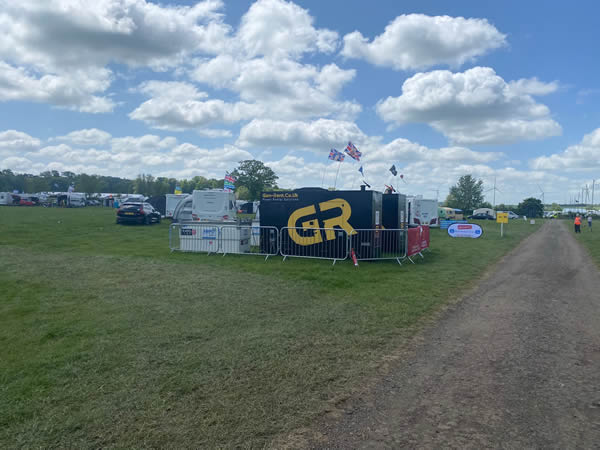
Gen-Rent UK provides generator hire solutions for customers across the UK. Its generator hire service supports different temporary power requirements, with generator capacities ranging from 30kVA to 2,000kVA, subject to availability and project requirements.
Customers should provide details of their location, electrical load and intended use so that suitable equipment can be considered.
Important Safety Considerations
Generators must be installed and operated correctly. Incorrect positioning, unsuitable electrical connections or poor fuel management can create serious hazards.
Generators should be positioned outdoors in a suitable, well-ventilated location. Exhaust gases must be directed away from occupied areas, doors and ventilation openings. A generator should never be operated inside an enclosed building or poorly ventilated space.
Electrical distribution should be designed for the expected load. Cables, connectors and distribution panels must have suitable ratings, and connections should be handled by competent personnel.
Operators should also follow the manufacturer’s instructions for starting, stopping, inspection and routine checks. Fuel should be stored and handled in accordance with relevant safety requirements.
What Information Should You Give a Generator Hire Supplier?
Providing accurate information can help a supplier identify suitable equipment more efficiently.
Before requesting a quotation, prepare details such as:
- Project location and site access conditions.
- Required generator capacity, if known.
- Equipment that will be connected.
- Expected operating hours.
- Required hire duration.
- Whether backup or continuous power is needed.
- Cable and distribution requirements.
- Any noise or site restrictions.
If the exact capacity is unknown, explain the equipment and application. A supplier can help establish what further information is required.
Choosing a Generator Hire Partner
A suitable generator supplier should be able to discuss your power requirements, explain equipment specifications and clarify delivery and hire arrangements. It is also useful to understand what support is available during the hire period.
Gen-Rent UK provides generator hire solutions for construction, commercial, industrial and temporary power applications across the UK. Businesses can explore its services and discuss the equipment required for their projects.
Final Thoughts
Hiring a generator can be a practical way to provide electricity when mains power is unavailable or additional capacity is required. The key is to select equipment that matches the electrical load, site conditions and expected operating period.
Whether you need a generator for a planned project, temporary commercial use or an urgent power requirement, careful preparation can help you choose a suitable solution. Assess your electrical demand, plan the installation and speak to an experienced supplier before arranging your hire.