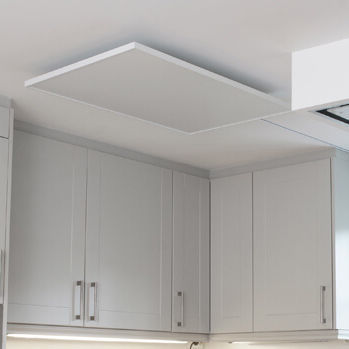
Ceiling mounted infrared heating panels provide a modern approach to indoor heating by using infrared energy to warm surfaces and objects directly rather than relying primarily on heated air. This method can support targeted warmth while reducing some of the heat distribution losses associated with conventional systems. Their ceiling-mounted configuration also makes effective use of overhead space, helping maintain a clean and unobtrusive interior appearance. As energy efficiency and responsible resource use become increasingly important considerations, infrared heating technology offers an option suited to contemporary residential and commercial environments. These panels can provide consistent warmth while supporting practical space management and controlled energy use. Their combination of streamlined installation, targeted heating, and modern functionality has contributed to increasing interest in infrared solutions for a range of indoor applications.
How Infrared Heat Transfers Warmth Indoors
Infrared heating systems generate warmth by releasing infrared radiation that is absorbed by people, objects, and surfaces within the heated area. Rather than primarily warming the air, this technology delivers radiant energy directly to solid elements, creating a form of heat transfer comparable to the natural warmth produced by sunlight. As surrounding surfaces absorb and retain the energy, the resulting warmth can remain comfortable and consistent throughout the occupied space.
Because the process does not depend heavily on moving heated air, infrared systems can reduce the circulation of airborne dust and allergens. The technology also does not rely on drying the surrounding air to provide warmth, helping maintain a comfortable indoor environment. Heating can be directed towards particular areas, allowing the system to provide warmth where it is required while avoiding unnecessary energy use in less occupied spaces.
Streamlined Panel Design for Modern Interiors
Ceiling-mounted infrared panels combine heating functionality with a discreet appearance suited to contemporary interior environments. Their slim construction allows the units to sit neatly against the ceiling without creating a visually dominant feature. Different finishes and panel configurations can accommodate varied decorative preferences, helping heating equipment integrate with different architectural styles and interior layouts.
Positioning the panels overhead also preserves valuable wall and floor areas for furniture, storage, lighting, or other purposes. This arrangement can be especially useful in rooms where available space needs to be used efficiently. By incorporating heating into the ceiling rather than occupying prominent areas of the room, infrared panels demonstrate how practical climate solutions can coexist with clean and organised interior design.
Reducing Energy Consumption through Infrared Heating
Infrared panels use radiant energy to warm surfaces and objects directly, reducing the need to heat large volumes of surrounding air. This focused method of heat transfer can help limit energy losses and make better use of the electricity consumed during operation. Ceiling placement can also support broad heat distribution across the occupied area without depending primarily on air movement to transfer warmth.
Another efficiency advantage comes from the ability to control heating according to specific requirements. Individual zones or occupied areas can be heated when necessary rather than continuously warming unused spaces. Infrared systems can also respond quickly after activation, reducing the amount of time required to reach a comfortable level of warmth. These characteristics support more controlled energy use in suitable indoor environments.
Key Considerations for Installing Radiant Ceiling Heat
Installing radiant ceiling heat involves planning the panel position, mounting arrangement, and electrical connection to achieve safe and effective heating. Panels are generally secured to suitable ceiling structures using appropriate mounting hardware, with their placement determined by the required coverage and room configuration. Electrical work should follow applicable safety requirements and be completed by appropriately qualified professionals.
Ceiling height, room dimensions, panel positioning, and expected heating zones are important factors when planning the installation. Professional installation can help ensure that mounting points are secure, panels are correctly positioned, and electrical connections meet relevant requirements. Where available, control systems can also be incorporated to provide temperature adjustments, scheduling functions, or programmable heating settings for greater operational control.
Heat Distribution and Comfort
Infrared heating panels ensure consistent and balanced warmth by targeting surfaces and objects directly within a space. This method allows for an even distribution of heat, avoiding the uneven temperatures often experienced with conventional heating systems. As these panels do not rely on air circulation to disperse heat, they maintain a stable and undisturbed indoor environment, which can be particularly beneficial for those concerned with air quality.
The ceiling-mounted placement of the panels enhances their ability to cover larger areas effectively, providing a steady level of comfort throughout the space. Additionally, this approach eliminates draughts or fluctuations in temperature, creating a more pleasant and stable indoor atmosphere that suits both residential and commercial applications.
Applications in Residential Settings
Ceiling-mounted infrared heating panels are well-suited for various residential applications, offering an efficient and discreet heating solution. Their ability to provide direct, even warmth makes them particularly effective in spaces with high ceilings or large open-plan designs, where conventional heating methods may struggle to maintain consistent temperatures. These panels can be seamlessly integrated into living areas, kitchens, bathrooms, or bedrooms without disrupting the aesthetic appeal of the interior.
Additionally, their targeted heating capabilities allow specific zones within a home to be warmed efficiently, reducing unnecessary energy use. The absence of moving parts also ensures quiet operation, contributing to a comfortable and undisturbed home environment. This combination of efficiency and practicality highlights their adaptability in domestic settings.
Commercial Settings Suited to Radiant Heat Ceiling Panels
Radiant heat ceiling panels can provide practical heating for commercial environments where consistent warmth and efficient use of space are important. Their overhead positioning keeps walls and floors available for furniture, equipment, and customer areas, while their discreet appearance can complement different workplace interiors. Offices, retail premises, hospitality spaces, and larger open areas can benefit from targeted radiant heating, including rooms with generous ceiling heights.
Silent operation helps maintain a comfortable environment without introducing noise from fans or other moving heating components. Energy-efficient performance can also support businesses seeking greater control over ongoing utility costs. Integration with suitable control systems provides additional flexibility, allowing heating levels and operating schedules to be adjusted according to the requirements of different commercial areas.
Protective Measures Built Into Infrared Heating Panels
Infrared heating panels incorporate safety features intended to support dependable operation during regular use. Certain systems include mechanisms that monitor temperature and limit excessive heat, helping reduce the possibility of overheating. Panel construction may also be designed to maintain surface temperatures within appropriate operating ranges, lowering the risk associated with accidental contact.
Thermal sensors can be incorporated into some designs to monitor surrounding conditions and regulate heating output when required. Ceiling installation provides another practical safety advantage by positioning the panels away from routine contact and high-traffic activity. Products carrying recognised safety certifications have also undergone testing against relevant standards, supporting their suitability for different residential and commercial applications.
Financial Factors When Choosing Ceiling-Mounted Infrared Heating
The overall cost of ceiling-mounted infrared panels involves both the initial purchase and expenses associated with continued operation. Although the starting investment may exceed that of certain conventional heating options, efficient radiant heat transfer can help reduce unnecessary energy consumption over the longer term. Directly warming people, surfaces, and objects can limit the amount of energy required to heat surrounding air.
Maintenance expenses can also remain relatively low because these systems generally require limited servicing. Durable construction may further reduce the frequency of replacement, helping distribute the initial investment across a longer operating period. Considering purchase costs alongside energy use, maintenance requirements, and expected service life provides a broader picture of the financial considerations associated with these heating systems.
Built for Extended Heating Performance
Infrared heating panels are constructed to provide dependable operation over an extended period, with materials selected to withstand repeated heating cycles and regular use. Their relatively simple construction reduces dependence on mechanical components that could experience wear, helping limit potential maintenance requirements. Keeping the panel surface clean and ensuring correct installation can further support consistent performance throughout its service life.
Ceiling positioning can also protect the panels from accidental impacts and other forms of physical interference commonly encountered at lower levels. This combination of durable construction, limited mechanical complexity, and suitable installation contributes to reliable long-term operation. With appropriate care, infrared panels can continue providing consistent heating while reducing the need for frequent repairs or replacement.
Sustainability Advantages of Radiant Heat Ceiling Panels
The use of radiant heat ceiling panels can support energy-conscious heating strategies by directing warmth towards occupied areas, objects, and surfaces instead of relying solely on heating the surrounding air. This targeted transfer can reduce unnecessary energy consumption when the system is appropriately sized and controlled. Where electricity is sourced from lower-emission generation, the potential environmental advantages may be further increased.
Their efficient operation also complements wider efforts to reduce energy demand across residential and commercial buildings. By combining controlled heating with reduced resource use during operation, these panels can form part of broader energy-management strategies. Their application demonstrates how heating technology can contribute to more efficient building practices while maintaining practical indoor comfort.
Conclusion
Ceiling mounted infrared heating panels provide a practical heating option for contemporary residential and commercial environments across Australia. Their radiant operation warms surfaces and objects directly, offering targeted comfort without relying primarily on circulating heated air. Ceiling placement preserves valuable wall and floor areas while allowing unobstructed heat distribution throughout suitable rooms. Durable construction, quiet performance, and straightforward upkeep can further support everyday use. With appropriate positioning and controls, infrared panels can complement energy-conscious heating strategies while maintaining comfortable indoor conditions and a clean, modern appearance.
FAQs
How do ceiling-mounted infrared panels operate differently from conventional heaters?
Ceiling-mounted infrared panels use radiant energy to transfer warmth directly to nearby surfaces, objects, and occupants instead of primarily heating the surrounding air. This method can provide focused warmth while limiting dependence on air circulation. Reduced air movement may also help minimise the movement of airborne dust within suitable indoor environments, depending on the overall ventilation system.
What benefits does ceiling installation provide for infrared heating panels?
Ceiling installation keeps the floor and walls available for furniture, fixtures, and other interior uses. Slim panel designs can also integrate neatly with contemporary ceiling surfaces without occupying substantial room space. Positioning the panels overhead can provide unobstructed radiant coverage when they are correctly located, while keeping heating equipment away from areas where it could be accidentally knocked.
Can radiant ceiling heat panels help manage energy consumption?
Radiant ceiling heat panels can provide targeted warmth by directing infrared energy towards occupied areas and surrounding surfaces. This can reduce the need to heat larger volumes of air in some applications. Thermostats, timers, and zoning controls can further regulate operation according to room usage, helping manage electricity consumption and maintain suitable indoor temperatures.
Which spaces are suitable for ceiling-mounted infrared panels?
Ceiling-mounted infrared panels can be installed in various residential and commercial settings, including living areas, bedrooms, offices, retail spaces, and open-plan environments. Their compact design can be useful where wall or floor space is limited. Appropriate panel selection and positioning are important for achieving suitable heat distribution according to the room’s dimensions and intended use.
What safety considerations apply to ceiling-mounted infrared heating panels?
Modern infrared heating panels can include features such as thermal controls and overheat protection to support safer operation. Their elevated position can also reduce the likelihood of accidental contact with the heating surface. Correct installation, suitable electrical connections, adequate clearances, and adherence to manufacturer instructions remain important for maintaining safe and reliable operation.
| Related Business Listings |
| Contact Directory |
| Local Business Profiles |