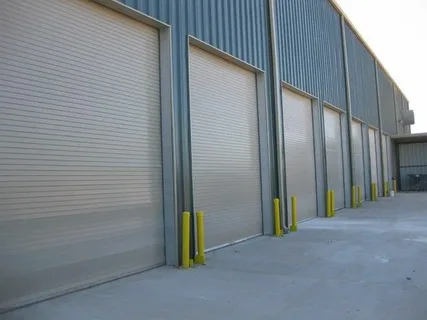
Busy workplaces need reliable entry systems that allow staff, vehicles, and equipment to move efficiently throughout the day. Commercial roll up doors open vertically, reducing the space needed around entrances and helping keep access areas clear. Their design suits warehouses, workshops, loading zones, and other commercial settings where doors are used frequently. Available in materials such as steel and aluminium, these doors can meet different durability and security requirements. By combining space-saving operation with sturdy construction, commercial roll-up doors help businesses manage regular traffic and maintain controlled access across active work environments.
Key Benefits of Installing Commercial Roll-Up Doors
Commercial roll-up doors offer useful features for businesses that require dependable access and equipment suited to demanding daily operations. Their vertical movement helps free up floor space and limits the clearance needed around entrances. Durable materials support repeated use and provide resistance to varying working conditions. Different finishes and designs can also complement commercial buildings while preserving a practical, professional appearance.
Site protection is another consideration when selecting a door system. Reinforced construction and reliable locking mechanisms can help discourage unauthorised access. Straightforward operation also supports the movement of employees, vehicles, and equipment, helping reduce unnecessary delays around frequently used entry points.
For businesses managing temperature-sensitive stock, insulated designs can help limit heat transfer and maintain more consistent indoor conditions. These features may contribute to reduced energy use while meeting routine access demands. The combination of strength, security, space efficiency, and design flexibility makes commercial roll-up doors suitable for a wide range of workplaces.
Commercial Roll-Up Door Options for Specific Operational Requirements
Different commercial roll-up door designs address varying building layouts, safety considerations, and operating demands. Insulated versions help reduce heat movement between indoor and outdoor areas, making them useful where temperature control and energy efficiency are priorities. Fire-rated systems may also be appropriate in facilities that require additional fire protection as part of their safety provisions.
High-speed models are designed for locations where quick opening and closing helps maintain steady movement and limit operational delays. Perforated shutters and grille-style doors can provide ventilation and visibility for retail premises or parking areas while retaining controlled entry. Heavy-duty systems are suited to industrial settings where frequent use, demanding conditions, and physical wear call for robust construction.
Each design offers specific advantages while supporting convenient access. Selection can also depend on material, opening dimensions, finish, and structural requirements. Considering these factors helps businesses choose commercial roll-up doors that align with their operational activities, security priorities, building layout, and appearance.
Commercial Settings That Benefit from Roll-Up Door Installations
Roll-up doors serve a variety of industries where secure, convenient access is essential to everyday operations. Factories and industrial facilities may install them between production areas, workshops, and storage sections to accommodate regular movement. Distribution centres can use these systems at loading areas to support goods handling while controlling entry to warehouse spaces. Farms and agricultural facilities may also use roll-up doors to shelter machinery, tools, and stored materials from changing weather.
Vehicle workshops and commercial garages benefit from vertical-opening systems that do not require extensive clearance in front of the entrance. Retail premises may use them to secure shopfronts and internal storage areas after business hours without compromising the appearance of the property. Fire stations and other emergency facilities can also require dependable access systems that support prompt vehicle movement. This versatility allows roll-up doors to meet different access, security, and structural needs across commercial environments.
Improving Indoor Climate Control with Insulated Roll-Up Doors
Commercial roll-up doors with thermal insulation can help businesses regulate indoor temperatures and manage energy consumption more effectively. Insulated construction reduces the movement of heat between internal spaces and the outside environment, limiting temperature changes as weather conditions fluctuate. This can reduce demand on heating and cooling systems and support more efficient energy use during normal business operations.
Facilities handling temperature-sensitive products or operating in extreme climates may benefit from stronger thermal separation. Seals and weather-resistant gaskets can further restrict draughts and air leakage around door openings, helping maintain the performance of the insulated structure.
More stable indoor conditions can contribute to operational efficiency and support energy management objectives. Commercial roll-up doors with suitable insulation therefore offer a practical option for businesses seeking to balance convenient entry with temperature control. Their combination of thermal performance, weather protection, and functional access can help meet the ongoing requirements of modern commercial facilities.
Safety Features of Commercial Roll-Up Doors
Commercial roll-up doors incorporate an array of safety features to ensure secure and efficient operations in various settings. Built-in safety sensors are commonly utilised to detect obstructions, preventing accidental damage or injuries by halting the door’s movement upon detection. Automated systems often include fail-safes that maintain operational control during malfunctions, reducing the risk of hazards.
Additionally, reinforced tracks and durable components enhance structural stability, minimising the likelihood of operational failure under frequent usage. Some models include weather-resistant seals that not only protect against environmental conditions but also maintain the door’s integrity in adverse situations.
Braking systems designed to prevent uncontrolled descent in case of mechanical failure further elevate safety standards. For manual operation, ergonomic handles and mechanisms are incorporated to ensure ease of use without compromising safety. These carefully designed features are integral to the construction of commercial roll-up doors, aligning with stringent safety requirements across diverse commercial and industrial environments.
Evaluating Commercial Roll Up Doors Pricing Beyond Initial Costs
The price of commercial roll up doors depends on several factors, including construction quality, operating features, and the requirements of the intended commercial setting. Door dimensions, material choices, insulation, automation, and additional components can all affect the initial investment. While some configurations cost more at purchase, their durability and reliable operation may deliver greater value over an extended service period.
Strong materials and sound construction can help limit premature replacement, allowing businesses to benefit from longer-lasting installations. Routine servicing requirements may also influence overall ownership costs, while insulated designs can help stabilise indoor temperatures and potentially reduce heating and cooling expenses.
Enhanced security features may further help protect stock, equipment, and property against unauthorised entry or damage. Businesses can also select customised specifications according to their actual operating requirements, avoiding unnecessary additions and directing expenditure towards features that provide practical long-term benefits.
Modern Features Transforming Commercial Roll-Up Door Systems
Developments in door technology have introduced operating features intended to improve convenience, workplace safety, and day-to-day efficiency. Automated controls reduce the need for manual handling, making repeated entry and exit easier to manage across busy commercial facilities.
Motorised systems can deliver consistent opening and closing performance in workplaces where doors operate frequently throughout the day. Smart controls may provide remote operation, programmable settings, and usage monitoring, giving businesses additional ways to oversee access and manage security. These functions can simplify routine operations while providing greater control over how door systems are used.
Safety sensors can detect obstacles around an opening and trigger suitable responses to help prevent accidents. Weather-resistant components can improve reliability in exposed locations, while energy-efficient designs may contribute to better building performance. Protective coatings can also help limit corrosion and surface deterioration. Together, these developments allow commercial roll-up doors to accommodate increasingly varied operational and safety requirements.
Custom Design Choices for Commercial Roll-Up Door Installations
Commercial roll-up doors can be configured to suit individual property layouts, access demands, and visual preferences. Custom dimensions allow systems to fit unusual or oversized openings where standard measurements are unsuitable. Businesses may also choose colours, finishes, and surface designs that complement the building’s architecture and maintain a consistent external appearance.
Operating mechanisms can reflect how frequently the door is used, with manual options suitable for some locations and automated controls offering convenience at high-traffic entrances. Additional features, including insulation and reinforced construction, can address temperature management or enhanced security requirements. Vision panels may improve visibility through selected sections, while ventilation grilles can support airflow where appropriate.
The choice of material can also depend on exposure and working conditions. Corrosion-resistant steel may provide strength in demanding environments, whereas aluminium can offer reduced weight for particular installations. By selecting suitable dimensions, materials, finishes, and functional features, businesses can obtain commercial roll-up doors that meet practical requirements without compromising the property’s overall appearance.
Environmental Benefits of Resource-Efficient Roll-Up Door Designs
Commercial roll-up doors may support more sustainable building operations through recyclable construction materials, improved insulation, and extended service life. Steel and aluminium can be recovered for recycling when doors are replaced, helping reduce demand for newly sourced materials. Insulated panels and effective weather seals can also limit unwanted heat movement, potentially decreasing reliance on heating and cooling systems and supporting lower energy consumption.
Production methods represent another factor in the environmental impact of these systems. Certain manufacturing processes use coatings and finishing products designed to reduce the release of harmful substances. Durable construction can further support resource efficiency by extending the time between replacements and reducing the volume of materials needed for new installations.
Advances in manufacturing may create additional opportunities to reduce production waste and energy use. Businesses considering environmental performance can assess material recyclability, insulation quality, product lifespan, and manufacturing practices when comparing options. These considerations help inform more responsible purchasing decisions while allowing commercial roll-up doors to meet everyday access and security requirements.
Conclusion
Commercial roll up doors provide dependable entry solutions for business and industrial facilities requiring regular access. Their upward-opening design conserves nearby floor space while helping regulate entry and protect workplace areas. Available options include insulated, motorised, high-speed, and safety-oriented models to suit varying operational requirements. Robust construction and protective coatings can further improve resistance to wear and changing environmental conditions. Choosing an appropriate design and ensuring correct installation can help maintain efficient traffic flow, practical space usage, and consistent building access.
FAQs
How do commercial roll up doors improve access around entrances?
Commercial roll up doors move upwards into a compact position above the opening, leaving surrounding floor and wall areas available for other uses. This arrangement supports convenient passage and suits warehouses, retail stores, storage facilities, and commercial buildings where entrance space is restricted.
Which locations commonly require commercial roll-up doors?
Commercial roll-up doors are used in warehouses, shops, farms, public buildings, and service facilities. Their versatile designs accommodate different entry requirements, while vertical opening helps manage access efficiently and preserve valuable space around frequently used doorways.
What types of commercial roll-up doors can businesses choose?
Available commercial roll-up door designs include insulated, fire-rated, and high-speed options. Insulated models help limit thermal transfer, while fire-rated versions serve applications requiring specified fire-resistance capabilities. High-speed designs support faster passage through entrances experiencing frequent daily traffic.
What determines the lifespan of commercial roll-up doors?
Door longevity depends on construction materials, including galvanised steel or aluminium, and finishes that help protect against corrosion and environmental exposure. Durable tracks, curtain panels, and operating components also withstand repeated movement, contributing to reliable service when properly maintained.
How can commercial roll-up doors support environmental efficiency?
Commercial roll-up doors may contribute to sustainable building practices through recyclable materials, durable components, and energy-conscious features. Insulated designs can help reduce heat transfer, while extended product lifespan may limit replacement frequency and associated material consumption.
| Related Business Listings |
| Contact Directory |
| Local Business Profiles |
