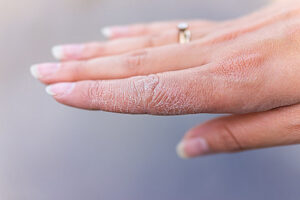
Eczema is a common skin condition that causes dryness, itching, redness, inflammation and irritation. It can affect people of all ages, although atopic dermatitis is particularly common in children. For some people, symptoms remain mild, while others experience recurring flare-ups that interfere with sleep, daily activities and quality of life.
When looking for relief, many people compare natural and herbal options with conventional medical treatments. Some prefer plant-based products because they seem gentler, while others rely on prescribed creams and medicines to control inflammation and prevent complications. However, choosing the right approach requires an understanding of how these treatments work, their potential benefits and their limitations.
The debate about Eczema Herbal Remedies vs Medical Treatments is not simply about choosing natural products over prescription medicines. It is about finding safe, effective ways to manage symptoms, protect the skin barrier and reduce future flare-ups. This article compares both approaches and explains when each may be useful.
1. Understanding Eczema and Its Causes
Eczema is a group of inflammatory skin conditions. Atopic dermatitis is the most common form. It often develops when the skin barrier does not retain moisture effectively and becomes more vulnerable to irritants, allergens and environmental factors.
Common symptoms include:
- Dry, rough or scaly skin
- Persistent itching
- Red, brown, purple or darker patches, depending on skin tone
- Swelling and inflammation
- Cracked or sensitive skin
- Thickened skin from repeated scratching
- Occasional fluid-filled blisters or weeping areas
Several factors can trigger or worsen eczema, including harsh soaps, fragrances, detergents, temperature changes, stress, sweating and certain allergens. Family history and immune system activity can also influence the condition.
Although eczema cannot always be permanently cured, appropriate treatment can control symptoms, reduce flare-ups and improve skin health.
2. What Are Eczema Herbal Remedies?
Eczema herbal remedies include plant-based preparations, oils, creams and other natural products that people use to soothe irritated skin. Some ingredients contain compounds with moisturising, antioxidant or anti-inflammatory properties.
However, natural does not automatically mean safe or effective. The results depend on the ingredient, formulation, concentration and individual skin sensitivity.
Some commonly discussed herbal ingredients include:
Aloe Vera
Aloe vera is widely used in skincare because it contains water and various plant compounds. Its gel may provide a cooling and moisturising sensation.
Some people use aloe vera products to soothe dry or irritated skin. However, research specifically supporting aloe vera as an effective treatment for atopic dermatitis remains limited. Fragrances, preservatives and other added ingredients can also cause irritation.
Calendula
Calendula is a flowering plant used in traditional skincare preparations. It contains compounds that have been investigated for their potential anti-inflammatory properties.
Calendula creams and ointments are sometimes marketed for irritated skin. Nevertheless, strong clinical evidence confirming their effectiveness against eczema is lacking. People allergic to plants in the daisy family may also experience reactions.
Chamomile
Chamomile is another traditional herbal ingredient found in creams, lotions and skincare preparations. Some of its compounds have demonstrated anti-inflammatory activity in laboratory research.
Although chamomile may appear in products intended for sensitive skin, evidence from high-quality clinical trials remains insufficient to recommend it as a replacement for established eczema treatments.
Coconut Oil
Coconut oil is commonly used as an emollient. Some research suggests that virgin coconut oil may improve skin hydration and reduce dryness in people with atopic dermatitis.
It may help support the skin barrier, but it does not replace anti-inflammatory medication when eczema is actively inflamed. People should also stop using it if irritation develops.
Colloidal Oatmeal
Colloidal oatmeal is finely ground oatmeal used in moisturisers, baths and skincare products. It can help soothe itching, moisturise the skin and support the skin barrier.
Unlike many herbal ingredients, colloidal oatmeal has evidence supporting its use as a skin-protective ingredient. However, it remains a supportive skincare option rather than a cure for eczema.
3. How Effective Are Herbal Treatments for Eczema?
The effectiveness of herbal products varies considerably. Some ingredients may improve dryness, soothe discomfort or support skin hydration. Others have little reliable clinical evidence behind their claims.
A major challenge is that herbal products are not always standardised. Different manufacturers may use different plant extracts, concentrations and additional ingredients. This makes it difficult to compare research findings or predict how an individual product will perform.
People considering Herbal Treatment for Eczema should distinguish between moisturising support and treatment of active inflammation. A natural oil may soften dry skin, but it may not adequately control an inflammatory flare-up.
There are also safety concerns. Essential oils, botanical extracts and fragranced creams can trigger allergic contact dermatitis. Applying several new products at once can make it difficult to identify the cause of a reaction.
For these reasons, herbal products are best considered optional additions to an established skincare routine rather than substitutes for proven medical care.
4. What Are Medical Treatments for Eczema?
Medical treatments are designed to control inflammation, relieve itching, repair the skin barrier and prevent complications. Healthcare professionals select treatments according to the severity, location and frequency of symptoms.
Common medical options include:
Moisturisers and Emollients
Regular moisturising is one of the most important parts of eczema management. Emollients help reduce water loss, soften dry skin and support the protective skin barrier.
They are available as creams, ointments, lotions and gels. Ointments are generally more suitable for very dry skin because they contain more oil, while creams may feel more comfortable for everyday use.
People with eczema often need to apply moisturiser several times daily, including after bathing.
Topical Corticosteroids
Topical corticosteroids are commonly prescribed to control eczema flare-ups. They reduce inflammation, redness and itching.
These medicines are available in different strengths. Mild preparations may be suitable for sensitive areas, while stronger products may be prescribed for thicker or more severe patches.
Using the correct strength for the affected area is important. Excessive or prolonged use, particularly of stronger preparations, can cause side effects such as skin thinning.
Topical Calcineurin Inhibitors
Tacrolimus and pimecrolimus are prescription medicines that reduce skin inflammation by affecting immune activity.
They may be recommended for certain areas, including the face and skin folds, where repeated corticosteroid use may be less suitable. A healthcare professional can determine whether these medicines are appropriate.
Antihistamines
Antihistamines are sometimes used when itching interferes with sleep or when another allergic condition is present. However, they do not directly treat the underlying skin inflammation, and they are not routinely effective for eczema-related itching.
Phototherapy
Phototherapy uses controlled ultraviolet light under medical supervision. It may help people with moderate or severe eczema who have not responded adequately to topical treatments.
Treatment usually involves repeated sessions. Medical supervision is necessary because ultraviolet exposure can increase the risk of skin damage.
Biologic Medicines and Other Systemic Treatments
For moderate to severe eczema that does not respond to standard treatments, doctors may consider biologic medicines, oral targeted treatments or other systemic medicines.
These treatments act on specific immune pathways or reduce inflammation throughout the body. Examples include dupilumab and certain Janus kinase inhibitors.
They require professional assessment because their benefits, risks and monitoring requirements differ.
5. Eczema Herbal Remedies vs Medical Treatments: Key Differences
Both herbal remedies and medical treatments aim to improve skin comfort, but they differ in their effectiveness, scientific support and safety profiles.
| Comparison | Herbal remedies | Medical treatments |
| Main purpose | Soothe dryness and irritation | Control inflammation and symptoms |
| Scientific evidence | Varies by ingredient | Stronger evidence for established treatments |
| Symptom relief | May help mild dryness | Can provide targeted relief |
| Skin inflammation | Limited evidence for most herbs | Proven anti-inflammatory options |
| Side effects | Allergies and irritation are possible | Depends on medicine and correct use |
| Severe eczema | Usually insufficient alone | Often necessary |
For mild dryness, a suitable natural moisturiser may provide comfort. However, moderate or severe eczema generally requires treatments with stronger clinical evidence.
The most effective approach depends on the individual’s symptoms, medical history and response to treatment.
6. Which Treatment Is More Effective for Different Types of Eczema?
Not everyone experiences eczema in the same way. Treatment choices should reflect the type of eczema and the severity of symptoms.
Mild Eczema
People with mild eczema may benefit from regular moisturising, gentle bathing habits and avoiding known irritants. Colloidal oatmeal products or suitable fragrance-free moisturisers may help soothe dryness.
Some natural ingredients may provide additional comfort, but they should be introduced cautiously.
Moderate Eczema
Moderate eczema often involves recurring inflammation, redness and persistent itching. Moisturisers remain essential, but topical corticosteroids or other prescription treatments may be necessary to control flare-ups.
Relying exclusively on herbal products can delay effective treatment and allow symptoms to worsen.
Severe Eczema
Severe eczema can involve widespread inflammation, intense itching, sleep disruption and repeated skin infections. Medical assessment is particularly important.
Dermatologists may recommend stronger topical medicines, phototherapy, biologic treatments or other systemic medication. Herbal remedies alone are unlikely to provide sufficient control.
7. Can Natural Remedies and Medical Treatments Be Used Together?
Yes. In many cases, supportive natural skincare products can be used alongside prescribed eczema treatments. However, the ingredients should be suitable for sensitive skin, and patients should check with a healthcare professional before introducing new products.
For example, a person may use a fragrance-free moisturiser regularly while applying a prescribed corticosteroid to inflamed patches as directed.
Some people explore Natural Remedies For Eczema because they want to reduce dryness and maintain healthier-looking skin. These options may complement a medical skincare routine, but they should not replace prescribed medication without professional advice.
A few precautions can make combination skincare safer:
- Introduce one new product at a time.
- Choose fragrance-free and clearly labelled products.
- Avoid applying undiluted essential oils directly to the skin.
- Stop using any product that causes burning, swelling or worsening irritation.
- Ask a pharmacist or dermatologist about possible interactions with prescribed topical products.
- Follow the recommended instructions for prescription medicines.
A patch test may help identify some reactions, although it cannot guarantee that a product will be safe for every person.
8. Lifestyle Changes That Can Improve Eczema Management
Regardless of the treatment approach, everyday skincare habits can make a meaningful difference.
Moisturise regularly: Apply a suitable emollient at least twice daily and after bathing. Consistent moisturising helps maintain the skin barrier.
Use gentle cleansers: Avoid harsh soaps, fragranced body washes and products that leave the skin feeling tight or dry.
Take short, lukewarm showers: Hot water can increase dryness and irritation. Gently pat the skin dry instead of rubbing it with a towel.
Wear comfortable clothing: Soft cotton clothing may reduce friction and irritation. Avoid fabrics that trigger itching.
Manage scratching: Keep fingernails short and consider cool compresses to soothe itchy areas. Scratching can damage the skin and increase infection risk.
Identify personal triggers: Keep a record of possible triggers, such as detergents, fragrances, sweating or environmental changes. Avoid unnecessary food restrictions unless a healthcare professional identifies a relevant allergy.
Maintain a comfortable environment: Excessive heat and sweating can worsen itching for some people. Keep bedrooms comfortable and use breathable bedding.
These habits support both medical treatment and appropriate moisturising products.
9. Risks of Relying Only on Herbal Eczema Remedies
One of the biggest concerns with using herbal products as the sole treatment is delayed medical care.
Eczema can cause persistent inflammation and damage the skin barrier. Repeated scratching may lead to open areas that become vulnerable to bacterial or viral infections.
Some unregulated products marketed as natural eczema cures may also contain undisclosed pharmaceutical ingredients, including potent corticosteroids. These products can create additional risks when used without medical supervision.
Watch for warning signs such as:
- Rapidly worsening eczema
- Painful or increasingly swollen skin
- Pus, yellow crusting or unusual discharge
- Fever or feeling generally unwell
- Clusters of painful blisters or rapidly spreading sores
These symptoms require prompt medical assessment. Painful, rapidly spreading blisters, particularly with fever, may indicate eczema herpeticum, which needs urgent treatment.
People with persistent or widespread eczema should consult a dermatologist rather than relying on home remedies alone.
10. How to Choose the Right Eczema Treatment
Choosing between herbal products and medical treatments should involve realistic expectations and an understanding of the condition.
Consider the following factors:
Severity of symptoms: Mild dryness may respond to moisturising care, while significant inflammation often requires prescription treatment.
Skin sensitivity: People with sensitive skin may react to botanical extracts, essential oils and fragrances. Simple, fragrance-free products are often a better starting point.
Evidence of effectiveness: Look for ingredients supported by clinical research rather than relying on marketing claims.
Medical history: Existing allergies, other skin conditions and current medicines can influence treatment choices.
Professional guidance: A dermatologist can help identify the type of eczema, recommend suitable treatments and adjust the plan if symptoms continue.
Some people also research products and educational resources from organisations such as Natural Herbs Clinic when exploring plant-based skincare. However, Natural Herbs Clinic information or any commercial herbal recommendation should be evaluated against reliable medical evidence. No herbal product should be presented as a proven cure without appropriate clinical research.
Conclusion: Which Is More Effective?
When comparing Eczema Herbal Remedies vs Medical Treatments, conventional medical treatments generally have stronger scientific evidence for controlling eczema-related inflammation and managing moderate to severe symptoms.
Herbal ingredients such as aloe vera, calendula and coconut oil may offer moisturising or soothing benefits, but their effectiveness varies, and evidence supporting many of them remains limited.
The best approach is often a combination of appropriate medical care, consistent moisturising and sensible skincare habits. Natural products may have a supportive role when they are safe and suitable for the individual’s skin, but they should not replace effective treatment.
If eczema keeps returning, causes significant discomfort or affects everyday life, consult a qualified healthcare professional. An individualised treatment plan can help control symptoms, protect the skin barrier and improve quality of life.
Frequently Asked Questions
1. Are herbal remedies better than medical treatments for eczema?
No. Medical treatments generally have stronger clinical evidence for reducing eczema inflammation and controlling flare-ups. Some herbal ingredients may support moisturising and skin comfort, but they are not reliable replacements for established treatments.
2. Which natural ingredient is best for eczema?
Colloidal oatmeal and coconut oil may help moisturise and soothe dry skin. However, individual responses vary. Fragrance-free emollients are generally a reliable starting point for everyday eczema care.
3. Can eczema be cured naturally?
There is currently no established natural cure for eczema. Some people experience long periods without symptoms, but the condition can return. Consistent skincare and appropriate medical treatment can help manage it.
4. Can I use coconut oil with eczema medication?
In many cases, coconut oil can be used as a moisturising product alongside prescribed treatment. However, it should not replace anti-inflammatory medication. Discuss its use with a healthcare professional, particularly if your skin is sensitive.
5. When should I see a dermatologist for eczema?
Seek medical advice if eczema is severe, persistent, spreading, disrupting sleep or not improving with basic skincare. Painful skin, pus, fever or rapidly worsening blisters require prompt medical attention.
Medical Disclaimer
This article is intended for educational purposes only and does not replace professional medical advice, diagnosis or treatment. Eczema can vary in severity and may require individualised care. Consult a qualified healthcare professional before starting herbal products, supplements or new treatments. Never discontinue prescribed medication without discussing it with your doctor.