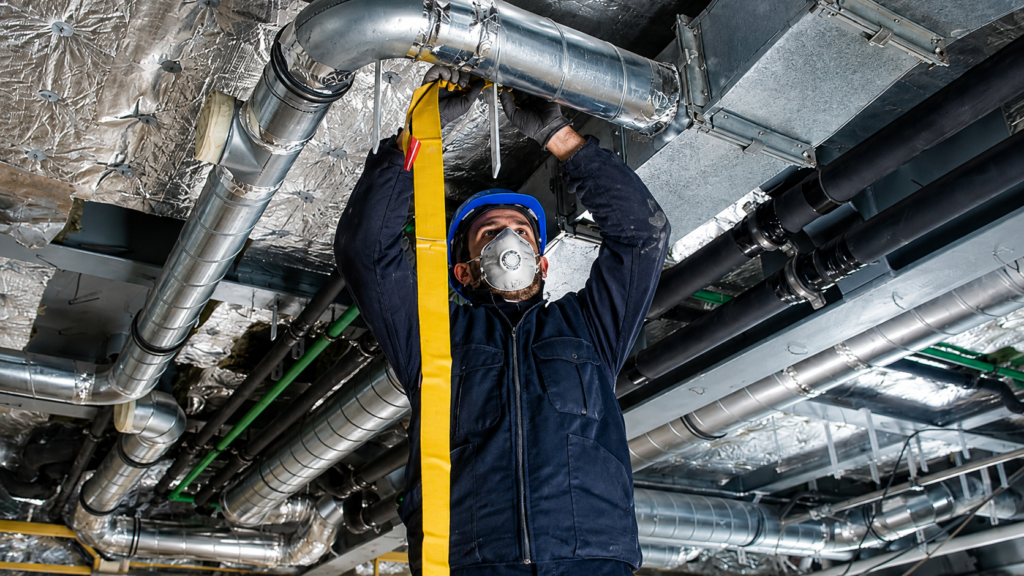
Professional ductwork repairs are essential for maintaining an efficient HVAC system, improving indoor comfort, and reducing unnecessary energy costs. Air ducts are responsible for distributing heated and cooled air throughout a property, and even minor damage can affect how effectively your heating and cooling system operates.
Many homeowners and businesses overlook duct problems because most ductwork is hidden behind walls, ceilings, or in roof spaces. However, leaks, cracks, poor connections, and damaged insulation can significantly reduce airflow and create ongoing HVAC issues.
Timely ductwork repairs can restore system performance, improve air distribution, and help prevent more expensive replacements in the future. Whether you are dealing with weak airflow, rising energy bills, uneven temperatures, or noisy duct systems, professional repairs can help restore efficiency.
What Are Ductwork Repairs?
Ductwork repairs involve inspecting, fixing, sealing, or restoring damaged sections of an HVAC duct system to improve airflow and overall performance.
Ductwork transports conditioned air from heating and cooling equipment to different areas of a building. When ducts become damaged, air can escape before reaching its intended destination.
Professional ductwork repair services may include:
- Repairing duct leaks
- Sealing damaged joints
- Fixing disconnected sections
- Replacing damaged insulation
- Repairing flexible duct damage
- Improving airflow efficiency
The purpose of ductwork repairs is to restore proper air movement and help HVAC systems operate more effectively.
Why Are Ductwork Repairs Important?
A damaged duct system affects more than just airflow. It can impact energy efficiency, indoor comfort, and air quality throughout a property.
Professional ductwork repairs provide several important benefits.
Improved Energy Efficiency
Leaking ducts allow conditioned air to escape, forcing HVAC systems to work harder to maintain desired temperatures.
This can lead to:
- Higher electricity bills
- Longer heating and cooling cycles
- Increased equipment strain
- Reduced system efficiency
Repairing damaged ductwork helps ensure more conditioned air reaches the rooms where it is needed.
Better Airflow Performance
A properly functioning duct system distributes air evenly throughout a building.
Damaged ducts may cause:
- Weak airflow from vents
- Uneven room temperatures
- Poor air circulation
- Reduced HVAC performance
Professional repairs restore airflow balance and improve comfort.
Improved Indoor Comfort
When duct systems are damaged, some areas of a property may receive too much air while others receive too little.
Repairing duct issues helps maintain:
- Consistent temperatures
- Better airflow distribution
- More comfortable indoor spaces
Better Indoor Air Quality
Damaged ductwork can allow dust, dirt, and pollutants to enter the air system.
Repairing leaks and damaged areas helps reduce the circulation of:
- Dust particles
- Allergens
- Outdoor contaminants
- Debris
Cleaner airflow contributes to a healthier indoor environment.
Protecting HVAC Equipment
When ducts are damaged, heating and cooling systems must operate under additional pressure.
This can increase wear on:
- Fans
- Motors
- Compressors
- Other HVAC components
Ductwork repairs reduce unnecessary strain and support longer equipment life.
Signs You Need Ductwork Repairs
Identifying duct problems early can prevent more serious damage.
Weak Airflow From Vents
Reduced airflow is one of the most common signs of duct issues.
Possible causes include:
- Air leaks
- Blocked ducts
- Damaged connections
- Collapsed sections
If certain rooms receive less air than others, your duct system may require inspection.
Uneven Temperatures Between Rooms
A properly working HVAC system should provide consistent comfort throughout a property.
Duct problems may cause:
- Hot rooms
- Cold rooms
- Poor temperature control
- Uneven heating or cooling
Repairing damaged ducts can improve air distribution.
Increased Energy Bills
A sudden increase in energy costs may indicate that your HVAC system is losing efficiency.
Leaking ductwork causes systems to run longer because conditioned air escapes before reaching living areas.
Strange Sounds From Ducts
Unusual duct noises may indicate damage.
Common sounds include:
- Whistling
- Rattling
- Air rushing
- Popping sounds
These noises may result from loose connections or damaged duct materials.
Excessive Dust Around the Property
If dust returns quickly after cleaning, damaged ductwork may be contributing to the problem.
Leaks can allow dust from roof spaces or wall cavities to enter the airflow system.
Visible Damage
In accessible areas, you may notice:
- Cracks
- Loose sections
- Damaged insulation
- Disconnected ducts
Visible damage should be repaired before it affects the entire HVAC system.
Common Causes of Ductwork Damage
Understanding what causes duct problems helps prevent future issues.
Aging Duct Systems
Over time, duct materials naturally wear down.
Older systems may develop:
- Leaks
- Weak joints
- Insulation deterioration
- Material damage
Regular inspections can identify aging problems early.
Poor Installation
Incorrect installation can create long-term duct issues.
Common installation problems include:
- Poor sealing
- Incorrect sizing
- Improper support
- Restricted airflow
Professional repairs can correct some installation-related problems.
Temperature Changes
Duct materials expand and contract as temperatures change.
Repeated movement can weaken:
- Seams
- Connections
- Joints
Over time, this may create air leaks.
Moisture Problems
Moisture can damage duct insulation and materials.
Common causes include:
- Condensation
- Water leaks
- Poor ventilation
Moisture-related duct damage may also affect indoor air quality.
Physical Damage
Ductwork may be damaged by:
- Construction activity
- Renovations
- Animals
- Maintenance work
Hidden damage can reduce HVAC efficiency without obvious warning signs.
Types of Ductwork Repairs
Different duct problems require different repair methods.
Duct Leak Repairs
Air leaks are among the most common duct issues.
Professional repairs may involve:
- Sealing cracks
- Repairing holes
- Improving connections
- Applying suitable sealing materials
Reducing leaks improves airflow and energy efficiency.
Duct Joint Repairs
Loose or separated duct sections can affect system performance.
Repairs may include:
- Reconnecting duct sections
- Securing joints
- Improving seals
Proper connections help maintain efficient airflow.
Flexible Duct Repairs
Flexible ducts can become damaged due to:
- Tears
- Compression
- Poor installation
- Physical impact
Repairs may involve restoring damaged sections or replacing small areas.
Duct Insulation Repairs
Damaged insulation affects temperature control and energy efficiency.
Repairing insulation helps:
- Maintain air temperature
- Reduce energy loss
- Prevent condensation
Duct Sealing
Professional duct sealing helps reduce air leakage throughout the system.
Benefits include:
- Better airflow
- Lower energy waste
- Improved HVAC performance
Residential Ductwork Repairs
Homes depend on reliable duct systems to maintain comfortable temperatures throughout the year.
Residential ductwork repairs can help improve:
- Air conditioning efficiency
- Heating performance
- Indoor comfort
- Energy usage
Common residential duct issues include:
- Leaking ceiling ducts
- Damaged flexible ducts
- Poor airflow
- Noisy systems
Repairing these problems helps homeowners maintain a more efficient HVAC system.
Commercial Ductwork Repairs
Commercial properties often rely on larger HVAC systems that require professional maintenance.
Businesses may need ductwork repairs for:
- Offices
- Restaurants
- Warehouses
- Retail spaces
- Industrial buildings
Commercial duct repairs help maintain:
- Employee comfort
- Customer experience
- Indoor air quality
- HVAC reliability
Regular inspections can prevent unexpected system failures.
The Ductwork Repair Process
Understanding the repair process helps property owners know what to expect.
Inspection and Assessment
The first step is a detailed duct inspection.
Technicians evaluate:
- Visible damage
- Airflow issues
- Leak locations
- Insulation condition
- System performance
This identifies the most effective repair solution.
Finding the Source of the Problem
Professional technicians determine whether the issue comes from:
- Leaks
- Poor connections
- Damaged materials
- Design problems
Accurate diagnosis prevents unnecessary repairs.
Repair Recommendation
After inspection, professionals recommend the appropriate solution.
This may include:
- Sealing leaks
- Repairing sections
- Replacing insulation
- Improving connections
Completing the Repairs
Technicians restore the duct system using suitable materials and methods.
Quality repairs focus on:
- Secure connections
- Proper sealing
- Improved airflow
- Long-term reliability
System Testing
After repairs, airflow and HVAC performance are tested to confirm improvements.
Ductwork Repairs vs Duct Replacement
Many property owners wonder whether repairs are enough or if replacement is necessary.
Repairs Are Suitable When:
Repair is usually effective for:
- Small leaks
- Minor damage
- Limited problem areas
- Recently installed duct systems
Replacement May Be Needed When:
Replacement may be better for:
- Extensive damage
- Old duct systems
- Poor original design
- Frequent repair requirements
A professional inspection helps determine the most practical solution.
How Much Do Ductwork Repairs Cost?
The cost of ductwork repairs depends on several factors.
Important pricing factors include:
- Extent of damage
- Duct location
- Materials required
- Accessibility
- Labour involved
Minor repairs usually cost less than major duct restoration projects.
Factors Affecting Repair Costs
Damage Severity
Small leaks require less work than major structural damage.
Accessibility
Ducts located behind ceilings or in difficult areas may require additional labour.
Repair Method
Different problems require different solutions and materials.
Property Size
Larger properties may have more complex duct systems.
A professional assessment provides the most accurate cost estimate.
How to Prevent Ductwork Problems
Regular maintenance reduces the chance of major duct issues.
Schedule HVAC Inspections
Routine inspections help identify problems early.
Replace Air Filters
Clean filters improve airflow and reduce pressure on HVAC systems.
Maintain Proper Insulation
Good insulation protects ducts from energy loss and moisture damage.
Monitor Airflow Changes
Pay attention to:
- Reduced airflow
- Temperature changes
- Unusual sounds
Early detection allows faster repairs.
Keep Vents Clear
Avoid blocking vents with furniture or objects.
Choosing the Right Ductwork Repair Service
Selecting an experienced professional is important for effective repairs.
Check Experience
Choose technicians experienced with:
- Residential duct systems
- Commercial HVAC
- Different duct materials
Look for Proper Inspection
A reliable company should inspect the system before recommending repairs.
Review Customer Feedback
Reviews can provide information about:
- Service quality
- Reliability
- Workmanship
Ask About Repair Methods
Professional providers should explain:
- The cause of the problem
- Recommended repairs
- Expected improvements
Frequently Asked Questions About Ductwork Repairs
What are ductwork repairs?
Ductwork repairs involve fixing damaged, leaking, or disconnected sections of HVAC duct systems to restore airflow and efficiency.
How do I know if my ductwork needs repairs?
Common signs include weak airflow, uneven temperatures, rising energy bills, excessive dust, and unusual noises from ducts.
Can damaged ductwork increase energy bills?
Yes. Leaking ducts allow conditioned air to escape, causing HVAC systems to work harder.
How long do ductwork repairs take?
Repair time depends on the type and location of damage. Minor repairs may be completed quickly, while larger issues require more time.
Can duct leaks be repaired without replacing the whole system?
Yes. Many duct problems can be repaired through sealing, reconnecting, or replacing small damaged sections.
Are ductwork repairs worth the investment?
Yes. Repairs can improve efficiency, comfort, air quality, and HVAC performance.
How often should ductwork be inspected?
Regular HVAC maintenance inspections can help identify duct problems before they become major issues.
Can duct repairs improve indoor air quality?
Yes. Repairing leaks helps reduce the entry of dust and contaminants into the airflow system.
What causes ductwork leaks?
Common causes include aging, poor installation, physical damage, moisture issues, and temperature changes.
Should I repair or replace my ductwork?
The right choice depends on the age, condition, and extent of damage. A professional inspection can help determine the best option.
Final Thoughts
Professional ductwork repairs help maintain efficient HVAC performance, improve indoor comfort, and reduce unnecessary energy costs. Damaged duct systems can affect airflow, air quality, and overall system reliability if left untreated.
Whether you are dealing with leaks, poor airflow, damaged insulation, or loose connections, timely repairs can restore your duct system and prevent larger problems.
Regular maintenance, professional inspections, and quality repairs help extend the life of your HVAC system while creating a more comfortable and efficient indoor environment.