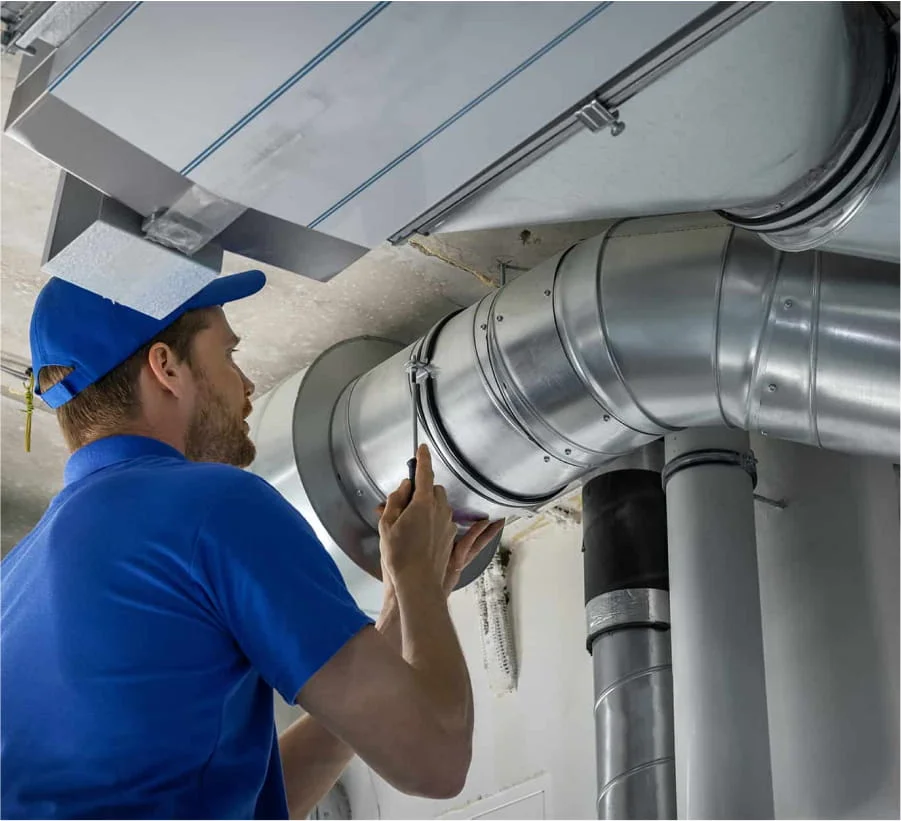
A well-functioning duct system plays an essential role in maintaining comfortable indoor temperatures and ensuring your heating and cooling system operates efficiently. When ducts become damaged, blocked, or poorly sealed, they can affect airflow, increase energy costs, and reduce overall comfort. Professional duct system repairs provide an effective solution for restoring proper air distribution and improving HVAC performance.
Duct problems can develop gradually due to age, poor installation, moisture damage, leaks, or physical deterioration. Many homeowners do not realise there is an issue until they notice uneven temperatures, weak airflow, rising utility bills, or unusual noises coming from their HVAC system.
Repairing damaged ductwork helps prevent energy waste, improve indoor air quality, and extend the lifespan of your heating and cooling equipment. Whether you have a residential property, office, or commercial building, maintaining your duct system is an important part of efficient climate control.
Why Duct System Repairs Are Important
Your ductwork acts as the pathway that delivers conditioned air throughout your property. When ducts are working properly, air moves efficiently from your HVAC unit to each room. However, damaged ducts can reduce performance and create several problems.
Professional duct system repairs help address issues such as:
- Air leaks
- Poor airflow
- Damaged insulation
- Loose connections
- Blockages
- Noise problems
Repairing these issues allows your HVAC system to work more effectively and maintain consistent indoor comfort.
How Damaged Duct Systems Affect HVAC Performance
A damaged duct system can significantly reduce the efficiency of your heating and cooling equipment.
When air escapes through cracks, holes, or poorly sealed joints, your HVAC system must operate for longer periods to achieve the desired temperature.
This can lead to:
- Higher energy consumption
- Increased utility costs
- Uneven room temperatures
- Additional strain on HVAC components
Professional repairs restore proper airflow and help your system perform efficiently.
Common Signs You Need Duct System Repairs
Identifying duct problems early can prevent more expensive repairs or replacements in the future. Several warning signs indicate your ductwork may require professional attention.
Uneven Heating or Cooling
One of the most common signs of duct problems is inconsistent temperature distribution.
You may notice:
- Some rooms feeling too warm
- Certain areas remaining cold
- Different temperatures between floors
Uneven airflow often indicates leaks, blockages, or poor duct design.
Weak Airflow From Vents
If air coming from your vents feels weaker than usual, your duct system may have an issue.
Possible causes include:
- Leaking ducts
- Blocked sections
- Damaged connections
- Restricted airflow
A professional inspection can identify the exact cause.
Increased Energy Bills
A sudden increase in energy costs may indicate your HVAC system is working harder than necessary.
Damaged ducts force your system to use more energy because conditioned air is lost before reaching your rooms.
Repairing duct leaks and improving insulation can help reduce unnecessary energy usage.
Excessive Dust Around Your Property
Damaged ductwork can allow dust and debris to enter the airflow system.
You may notice:
- Increased dust on furniture
- Dirty air vents
- Poor indoor air quality
Duct repairs can help reduce the circulation of unwanted particles.
Strange Noises From Ducts
Unusual sounds coming from your duct system may indicate problems.
Common noises include:
- Rattling
- Whistling
- Banging
- Air pressure sounds
These noises may result from loose connections, damaged sections, or airflow restrictions.
Poor Indoor Air Quality
Your duct system distributes air throughout your property. If ducts are damaged or contaminated, they can affect indoor air quality.
Problems may include:
- Dust circulation
- Allergens
- Unpleasant smells
- Mould-related concerns
Professional duct repairs help maintain cleaner airflow.
Common Causes of Duct System Damage
Several factors can cause ductwork problems over time.
Age and General Wear
Like other components of an HVAC system, ducts can deteriorate with age.
Older duct systems may develop:
- Cracks
- Loose joints
- Damaged insulation
- Air leaks
Regular inspections help identify problems before they become serious.
Poor Installation
Incorrect duct installation can create long-term efficiency problems.
Common installation issues include:
- Incorrect sizing
- Poor sealing
- Improper connections
- Limited airflow design
Professional repairs can correct many installation-related problems.
Moisture and Water Damage
Moisture can damage duct materials and insulation.
Common causes include:
- Roof leaks
- Condensation issues
- Poor ventilation
Moisture problems should be addressed quickly to prevent further damage.
Physical Damage
Ducts installed in roof spaces, ceilings, or crawl areas can be damaged by:
- Construction work
- Animals
- Accidental impact
- Movement over time
Physical damage can create air leaks and reduce efficiency.
The Duct System Repair Process
Professional duct repairs involve several steps to ensure the system is restored properly.
Inspection and Assessment
The repair process begins with a detailed inspection.
Technicians check:
- Duct condition
- Airflow performance
- Leak locations
- Insulation quality
- Connection points
This assessment helps determine the most effective repair solution.
Identifying Air Leaks
Air leaks are one of the most common duct problems.
Professionals locate leaks around:
- Joints
- Seams
- Connections
- Damaged sections
Sealing these areas improves airflow efficiency.
Repairing Damaged Sections
Depending on the damage, repairs may include:
- Sealing cracks
- Reconnecting loose sections
- Replacing damaged insulation
- Repairing duct materials
The goal is to restore proper airflow without unnecessary replacement.
Testing System Performance
After repairs, technicians test the HVAC system to ensure:
- Proper airflow
- Balanced temperatures
- Reduced air loss
- Efficient operation
Testing confirms that the repairs have improved performance.
Benefits of Professional Duct System Repairs
Professional repairs provide several advantages compared with ignoring duct problems or attempting temporary fixes.
Improved Energy Efficiency
One of the biggest benefits of repairing damaged ducts is improved HVAC efficiency.
Sealed and properly functioning ducts help conditioned air reach the intended areas, reducing energy waste.
Lower Heating and Cooling Costs
When your HVAC system operates efficiently, it does not need to run as frequently or for extended periods.
This can help reduce monthly energy expenses.
Better Indoor Comfort
Proper duct performance ensures more consistent temperatures throughout your property.
You can enjoy:
- Balanced airflow
- Better temperature control
- Improved comfort
Improved Air Quality
Repairing damaged ducts can reduce the movement of dust, debris, and contaminants through your ventilation system.
This creates a cleaner indoor environment.
Extended HVAC System Lifespan
When ducts work efficiently, your heating and cooling equipment experiences less strain.
This can help reduce wear on:
- Air conditioners
- Furnaces
- Heat pumps
Duct System Repairs vs Duct Replacement
Many property owners wonder whether they should repair or replace their duct system.
The right option depends on the condition of your ductwork.
When Repairs Are Suitable
Duct repairs are often effective for:
- Small leaks
- Loose connections
- Minor insulation problems
- Limited damage
Repairs can restore performance without the cost of full replacement.
When Replacement May Be Needed
Complete duct replacement may be recommended when:
- Ducts are extremely old
- Damage is widespread
- Repairs are no longer cost-effective
- The system design is outdated
A professional inspection can help determine the best solution.
Common Types of Duct Repairs
Different duct problems require different repair methods.
Air Leak Sealing
Air leaks are commonly repaired using professional sealing techniques.
Proper sealing improves:
- Airflow
- Efficiency
- System performance
Insulation Repair
Damaged insulation affects temperature control.
Repairing insulation helps maintain the temperature of conditioned air as it travels through the ducts.
Duct Connection Repairs
Loose duct connections can cause air loss.
Professionals reconnect and secure damaged sections to improve airflow.
Duct Cleaning and Repair Combination
In some cases, duct repairs may be combined with cleaning to improve system performance.
This helps remove:
- Dust buildup
- Debris
- Contaminants
How to Prevent Future Duct Problems
Regular maintenance helps keep your duct system working efficiently.
Schedule Regular HVAC Inspections
Professional inspections help identify small issues before they become major problems.
Replace Air Filters Regularly
Dirty filters restrict airflow and increase pressure on your HVAC system.
Regular filter replacement supports better performance.
Maintain Proper Ventilation
Good ventilation reduces moisture problems and helps protect duct materials.
Keep Vents Unblocked
Furniture and objects blocking vents can restrict airflow and reduce efficiency.
Monitor Changes in Performance
Pay attention to:
- New noises
- Temperature changes
- Increased energy costs
Early detection makes repairs easier.
Choosing the Right Duct Repair Professional
Selecting an experienced contractor is important for achieving reliable results.
Consider these factors when choosing a duct repair service.
Experience and Knowledge
Choose professionals with experience handling HVAC duct systems.
They should understand:
- Airflow requirements
- Duct design
- Repair techniques
- HVAC compatibility
Quality Repair Methods
A reliable company should use proper materials and professional repair techniques.
Detailed Assessment
A good contractor should inspect the system before recommending repairs.
Transparent Pricing
Choose a provider that clearly explains:
- Repair requirements
- Costs
- Expected timeline
Why Professional Duct System Repairs Are Worth It
Ignoring duct problems can lead to reduced HVAC efficiency, higher energy costs, and uncomfortable indoor conditions.
Professional duct system repairs provide an effective way to restore airflow, improve efficiency, and protect your heating and cooling investment.
Whether you are dealing with air leaks, poor airflow, damaged insulation, or uneven temperatures, repairing your ductwork can significantly improve your indoor environment.
Frequently Asked Questions
What are duct system repairs?
Duct system repairs involve fixing damaged, leaking, or poorly performing ductwork to restore proper airflow and improve HVAC efficiency.
How do I know if my ducts need repairs?
Common signs include weak airflow, uneven temperatures, high energy bills, excessive dust, unusual noises, and poor indoor air quality.
Can damaged ducts increase energy bills?
Yes, leaking or inefficient ducts can cause conditioned air loss, forcing your HVAC system to work harder and consume more energy.
Are duct repairs better than replacement?
Repairs are suitable for minor or isolated damage, while replacement may be needed for severely damaged or outdated duct systems.
How long do duct repairs take?
Repair time depends on the type and extent of damage. Minor repairs may be completed quickly, while larger issues require more time.
Can duct repairs improve indoor air quality?
Yes, repairing damaged ducts can reduce dust, debris, and contaminants entering your airflow system.
How often should ducts be inspected?
Regular inspections are recommended as part of HVAC maintenance, especially for older properties or systems experiencing performance issues.
What causes duct leaks?
Common causes include aging materials, poor installation, physical damage, loose connections, and moisture problems.
Can I repair ductwork myself?
Small visible issues may seem simple, but professional repairs are recommended because duct systems require proper sealing and airflow knowledge.
How much do duct system repairs cost?
Costs depend on the extent of damage, repair type, duct accessibility, and materials required. Professional inspections provide accurate estimates.
Final Thoughts
A reliable duct system is essential for efficient heating and cooling performance. Damaged or leaking ducts can waste energy, reduce comfort, and affect indoor air quality.
Professional duct system repairs help restore proper airflow, improve HVAC efficiency, and create a more comfortable indoor environment.
By addressing duct problems early and investing in regular maintenance, homeowners and businesses can improve system performance, reduce unnecessary costs, and extend the life of their HVAC equipment.