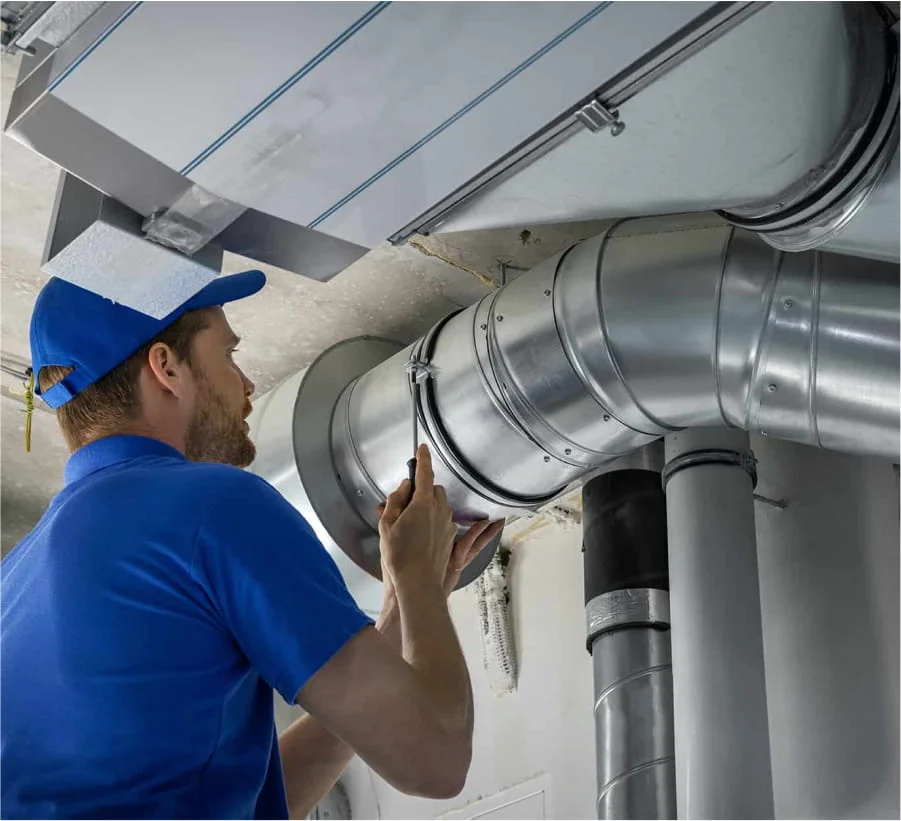
Reliable duct repairs are essential for maintaining an efficient heating, ventilation, and air conditioning system. Damaged or leaking ducts can reduce airflow, increase energy costs, and make indoor spaces less comfortable. Whether you have a residential air conditioning system or a commercial HVAC setup, properly functioning ductwork plays an important role in delivering clean and consistent air throughout your property.
Many property owners do not realize their duct system has problems until they notice uneven temperatures, higher electricity bills, poor airflow, or excessive dust. Since ducts are often hidden behind ceilings, walls, or roof spaces, damage can go unnoticed for long periods.
Professional duct repairs help identify issues, restore system performance, improve indoor comfort, and extend the lifespan of HVAC equipment. Addressing duct problems early can prevent expensive repairs and unnecessary energy waste.
What Are Duct Repairs?
Duct repairs involve inspecting, fixing, sealing, or replacing damaged sections of an air duct system to restore proper airflow and HVAC efficiency.
Air ducts are responsible for transporting heated or cooled air from your HVAC unit to different rooms throughout a building. When ducts become damaged, disconnected, or poorly sealed, conditioned air can escape before reaching the intended areas.
Professional duct repair services may include:
- Repairing cracks and holes
- Sealing air leaks
- Fixing disconnected duct sections
- Replacing damaged insulation
- Improving airflow distribution
- Repairing damaged duct joints
A properly repaired duct system allows your HVAC equipment to operate more efficiently while maintaining consistent indoor temperatures.
Why Are Duct Repairs Important?
Ductwork is one of the most important parts of any HVAC system. Even a high-quality air conditioner cannot perform efficiently if the duct system has leaks or damage.
Professional duct repairs provide several benefits.
Improved Energy Efficiency
Leaking ducts force HVAC systems to work harder because conditioned air escapes before reaching rooms.
Damaged ductwork can lead to:
- Longer cooling cycles
- Higher energy consumption
- Increased utility bills
- Reduced system efficiency
Repairing leaks helps your HVAC system deliver air more effectively, reducing unnecessary energy use.
Better Indoor Comfort
Damaged ducts can cause uneven temperatures throughout a property.
You may notice:
- Some rooms feeling warmer or cooler
- Weak airflow from vents
- Poor temperature control
Duct repairs help restore balanced air distribution and improve overall comfort.
Improved Indoor Air Quality
Damaged duct systems can allow dust, pollutants, and outdoor air to enter the airflow system.
Repairing duct issues helps reduce the movement of:
- Dust particles
- Allergens
- Dirt
- Contaminants
Cleaner airflow contributes to a healthier indoor environment.
Extended HVAC System Lifespan
When ducts are damaged, HVAC equipment must work harder to maintain desired temperatures.
This additional strain can increase wear on:
- Compressors
- Fans
- Motors
- Other HVAC components
Proper duct maintenance helps reduce system stress and may extend equipment lifespan.
Common Signs You Need Duct Repairs
Identifying duct problems early can prevent larger HVAC issues.
Weak Airflow From Vents
If some rooms receive little airflow while others operate normally, damaged ductwork may be affecting air distribution.
Possible causes include:
- Leaking ducts
- Blockages
- Disconnected sections
- Damaged vents
A professional inspection can identify the cause.
Uneven Temperatures Between Rooms
A properly functioning HVAC system should provide consistent temperatures throughout your property.
If certain areas remain uncomfortable despite running your air conditioner or heater, duct problems may be responsible.
Increased Energy Bills
Unexpected increases in energy costs can indicate that your HVAC system is losing efficiency.
Leaking ducts make your system run longer, increasing energy consumption.
Strange Noises From Ductwork
Unusual sounds may indicate duct damage.
Common noises include:
- Rattling
- Whistling
- Air rushing sounds
- Popping noises
These may occur because of loose connections, damaged materials, or pressure problems.
Excessive Dust Around Your Home
If your home becomes dusty shortly after cleaning, damaged ducts may be allowing contaminants into the airflow.
Leaking ductwork can spread dust throughout your property.
Poor Air Quality or Odours
Damaged ducts can allow unwanted smells and pollutants to circulate indoors.
Persistent odours may indicate:
- Dust buildup
- Moisture issues
- Contamination inside ducts
Professional inspection can determine the source.
Common Causes of Duct Damage
Understanding what causes duct problems helps prevent future issues.
Age and Wear
Over time, duct systems can deteriorate due to regular use.
Older ducts may develop:
- Cracks
- Loose connections
- Damaged insulation
- Air leaks
Regular inspections help identify aging problems.
Poor Installation
Incorrect installation can create long-term duct issues.
Common installation problems include:
- Poor sealing
- Incorrect sizing
- Weak connections
- Improper support
Professional installation helps prevent these issues.
Temperature Changes
Duct materials expand and contract as temperatures change.
Repeated movement can weaken:
- Seams
- Joints
- Connections
Over time, this can create air leaks.
Physical Damage
Ducts located in roof spaces, basements, or commercial areas may be damaged by:
- Construction work
- Animals
- Accidental impact
- Maintenance activities
Physical damage often requires professional repair.
Moisture and Condensation
Moisture problems can damage duct insulation and create conditions that affect air quality.
Causes may include:
- Poor insulation
- Condensation buildup
- Water leaks
Addressing moisture sources is important during repairs.
Types of Duct Repairs
Professional technicians use different repair methods depending on the type and severity of damage.
Duct Leak Sealing
Air leaks are one of the most common duct problems.
Professionals seal leaks using suitable materials designed for HVAC systems.
Benefits include:
- Improved airflow
- Better efficiency
- Reduced energy loss
Duct Joint Repairs
Loose or separated duct sections can reduce system performance.
Technicians repair joints by:
- Reconnecting sections
- Securing connections
- Improving seals
Duct Insulation Repairs
Damaged insulation affects temperature control and energy efficiency.
Repairing insulation helps:
- Maintain air temperature
- Reduce energy loss
- Prevent condensation
Flexible Duct Repairs
Flexible ducts can become damaged due to:
- Tears
- Compression
- Poor installation
Professional repairs may involve:
- Replacing damaged sections
- Improving support
- Restoring airflow paths
Duct Replacement
In some cases, repairs may not be enough.
Replacement may be recommended when ducts have:
- Extensive damage
- Severe deterioration
- Poor design
- Major efficiency problems
Residential Duct Repairs
Homes rely on duct systems to maintain comfortable indoor temperatures throughout the year.
Residential duct repairs can improve:
- Air conditioner performance
- Heating efficiency
- Indoor comfort
- Energy savings
Common residential duct problems include:
- Leaking ceiling ducts
- Damaged flexible ducts
- Poor airflow between rooms
- Noisy duct systems
Professional repair helps homeowners maintain a reliable HVAC system.
Commercial Duct Repairs
Commercial buildings often have larger and more complex duct systems.
Businesses rely on efficient HVAC systems for:
- Employee comfort
- Customer experience
- Equipment protection
- Indoor air quality
Commercial duct repair services may include:
- Large-scale leak sealing
- Industrial duct repairs
- Air balancing
- System efficiency improvements
Regular maintenance is especially important for offices, warehouses, retail spaces, and hospitality buildings.
The Duct Repair Process
Understanding the repair process helps property owners know what to expect.
Inspection and Assessment
The first step is a detailed duct inspection.
Technicians check:
- Visible damage
- Airflow issues
- Leak locations
- Insulation condition
- System performance
This helps determine the best repair approach.
Identifying the Problem
Professionals may use specialized equipment to locate hidden issues.
They assess:
- Pressure problems
- Air leakage
- Damaged sections
- Connection failures
Repair Recommendation
After inspection, technicians recommend suitable solutions.
Options may include:
- Sealing
- Repairing
- Insulation replacement
- Partial replacement
Completing Repairs
Once the repair plan is approved, technicians restore the duct system.
Quality repairs focus on:
- Proper sealing
- Secure connections
- Improved airflow
- Long-term performance
How Much Do Duct Repairs Cost?
The cost of duct repairs depends on several factors, including:
- Size of the duct system
- Type of damage
- Location of repairs
- Materials required
- Labour involved
Small repairs, such as sealing minor leaks, usually cost less than replacing damaged duct sections.
Factors Affecting Duct Repair Costs
Extent of Damage
Minor leaks require less work than major structural damage.
Accessibility
Ducts located in difficult areas such as ceilings or roof spaces may require additional labour.
Duct Material
Different duct materials require different repair methods.
Property Size
Larger homes and commercial buildings often have more complex systems.
A professional inspection provides the most accurate repair estimate.
How to Prevent Duct Problems
Regular maintenance helps reduce the need for major repairs.
Schedule HVAC Inspections
Routine inspections help identify problems before they become serious.
Replace Air Filters Regularly
Dirty filters increase pressure on HVAC systems and can affect airflow.
Maintain Proper Insulation
Good insulation protects ducts from temperature loss and moisture problems.
Keep Outdoor Units Maintained
A healthy HVAC system reduces unnecessary stress on ductwork.
Monitor Airflow Changes
Pay attention to:
- Reduced airflow
- Unusual noises
- Temperature changes
Early detection allows faster repairs.
Choosing the Right Duct Repair Service
Selecting an experienced duct repair provider is important for quality results.
Check Experience and Expertise
Choose technicians with experience handling:
- Residential systems
- Commercial HVAC
- Different duct materials
Look for Professional Assessment
A reliable company should inspect the system before recommending repairs.
Consider Customer Reviews
Reviews can provide insight into:
- Service quality
- Reliability
- Workmanship
- Customer communication
Ask About Repair Methods
Professional providers should explain:
- The cause of the problem
- Recommended repairs
- Expected results
Frequently Asked Questions About Duct Repairs
What are duct repairs?
Duct repairs involve fixing damaged, leaking, disconnected, or poorly insulated air ducts to improve HVAC performance and airflow.
How do I know if my ducts need repairs?
Common signs include weak airflow, uneven temperatures, increased energy bills, unusual noises, dust buildup, and poor indoor air quality.
Can leaking ducts increase energy bills?
Yes. Leaking ducts allow conditioned air to escape, causing HVAC systems to work harder and consume more energy.
How long do duct repairs take?
Repair time depends on the damage, duct location, and repair method. Minor repairs may be completed quickly, while larger projects require more time.
Can duct leaks be repaired without replacing the entire system?
Yes. Many duct problems can be fixed through sealing, reconnecting, or repairing damaged sections.
How often should ducts be inspected?
Regular HVAC inspections can help identify duct problems early. Many property owners inspect duct systems during routine HVAC maintenance.
Are duct repairs worth the cost?
Yes. Proper duct repairs can improve efficiency, comfort, air quality, and reduce unnecessary energy costs.
Can damaged ducts affect indoor air quality?
Yes. Leaking ducts can allow dust and contaminants to enter the airflow system.
What causes duct leaks?
Common causes include aging, poor installation, physical damage, temperature changes, and damaged insulation.
Should I repair or replace my ducts?
The best option depends on the condition of the duct system. Minor damage can often be repaired, while severe deterioration may require replacement.
Final Thoughts
Professional duct repairs are essential for maintaining an efficient and comfortable HVAC system. Damaged ducts can reduce airflow, increase energy costs, and affect indoor air quality if left untreated.
Whether you are dealing with air leaks, damaged insulation, poor airflow, or aging ductwork, timely repairs can restore system performance and improve comfort.
Regular inspections, proper maintenance, and professional repairs help extend the life of your HVAC system while ensuring your property receives reliable heating and cooling throughout the year.