It usually starts small. A kitchen sink drains a little slower after dinner, or a basement floor drain gives off a faint smell. Then one cold January morning, the shower fills with water that refuses to go anywhere.
For homeowners in the foothills, drain problems rarely stay minor for long. Drain cleaning and repairs in Conifer CO come with their own set of challenges, shaped by mountain weather, rocky soil, and homes spread across wooded lots. Knowing how these systems work, and why they fail, can help property owners respond before a small clog turns into a costly repair.
Why Mountain Homes Face Unique Drain Challenges
Drain systems in mountain communities deal with conditions that city plumbing rarely sees. Many homes sit at elevations above 8,000 feet, where long winters and deep frost lines put steady stress on underground pipes.
Freeze and thaw cycles cause the ground to shift. Over time, that movement can crack older clay or cast iron lines, separate pipe joints, or create low spots where waste and water collect.
Trees add another layer of trouble. Ponderosa pines, aspens, and other native trees send roots deep in search of moisture. A hairline crack in a sewer line is all it takes for roots to slip inside and start growing.
Septic systems are also common in the area. Homes that rely on septic tanks need clear lines between the house and the tank. When those lines clog, backups can happen quickly and affect the whole household.
What Drain Cleaning Actually Involves
Drain cleaning is more than pouring something down the sink and hoping for the best. Professional cleaning focuses on removing what’s causing the blockage, not just punching a small hole through it.
For simple clogs, technicians often use a drain auger, sometimes called a snake. This flexible cable reaches into the pipe and breaks up hair, soap scum, or food buildup near the fixture.
Tougher problems often call for hydro jetting. This method sends high-pressure water through the line to scour away grease, sludge, mineral scale, and even small root masses. It cleans the inside walls of the pipe, which helps slow the return of future clogs.
Store-bought chemical cleaners tend to be a short-term fix at best. Many plumbers warn that harsh chemicals can damage older pipes and may harm the bacteria that septic systems depend on.
The Role of Camera Inspections
One of the biggest shifts in the drain industry over the past two decades has been the use of sewer cameras. Instead of guessing what’s happening underground, technicians can now see it directly.
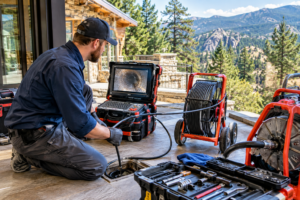
Video inspection services in Conifer CO typically involve feeding a waterproof camera on a flexible cable through the drain line. The live footage shows cracks, root intrusion, collapsed sections, grease buildup, and sagging pipes, often called “bellies.”
Many cameras also include a locator that pinpoints the exact depth and position of a problem. That detail matters in rocky mountain soil, where digging in the wrong spot can be slow and expensive.
Camera work also helps confirm that a cleaning actually worked. A quick look after jetting can show whether the pipe is clear or whether a deeper structural issue is still lurking.
Why Early Attention Pays Off
Addressing drain problems early has practical benefits that go well beyond convenience. The most obvious one is cost. Clearing a partial clog is far simpler than cleaning up after raw sewage backs into a finished basement.
Early action also protects the home itself. Slow leaks from damaged lines can soften soil around a foundation, encourage mold growth, and damage flooring or drywall before anyone notices a problem.
Regular cleaning tends to extend the life of the pipes. When grease and scale aren’t allowed to build up, there’s less strain on the system and fewer pressure points where cracks can form.
There’s also peace of mind. Knowing the condition of a sewer line, especially before winter, means fewer surprises during the months when repairs are hardest to schedule and perform.
Modern Repair Options
When a pipe is damaged beyond cleaning, repair becomes the next step. Traditional repairs mean digging a trench to reach and replace the broken section. That approach still makes sense in some cases, especially for short, shallow repairs.
Trenchless methods have become a popular alternative. Pipe lining, for example, involves inserting a resin-coated liner into the old pipe and letting it harden into a new, seamless pipe inside the original.
Pipe bursting is another option. A new line is pulled through the old one, breaking the damaged pipe apart as it goes. Both methods can reduce damage to driveways, landscaping, and mature trees.
The right choice depends on pipe material, depth, the extent of the damage, and soil conditions. A camera inspection usually guides that decision.
Real-World Scenarios Homeowners Run Into
Consider a family that buys an older cabin with plans to remodel. Everything looks fine during the walkthrough. A few months later, toilets begin gurgling and the lower-level drain backs up after laundry day.
A camera inspection reveals that tree roots have grown through a joint in the original clay sewer line. After the roots are cleared, a section of the line is lined to seal it against future intrusion.
In another case, a homeowner notices a sewage smell near the yard every spring. The cause turns out to be a sagging section of pipe where waste settles and sits. Freeze and thaw cycles had slowly shifted the soil beneath it.
Vacation homes present their own risks. A property that sits empty for weeks may develop dry traps, sewer gas odors, or unnoticed leaks. Many owners schedule a drain check before guests arrive or before the first hard freeze.
Home buyers are also turning to video inspection services in Conifer CO before closing on a property. A standard home inspection rarely includes the sewer line, and finding a cracked pipe after the sale can be an expensive surprise.
Choosing the Right Help
When it comes to picking a professional, homeowners often look for a few key things. Experience with mountain properties and septic systems is high on the list, along with clear explanations of what the camera shows.
Transparent pricing matters, too. Reputable technicians usually walk through the footage, explain repair options, and let homeowners decide without pressure.
Local companies such as Colorado Drainmaster are among the providers that use camera inspections alongside cleaning and repair work. Comparing a few options and asking questions about methods and equipment is a sensible approach for any homeowner.
Final Thoughts
Drain systems tend to stay out of sight until something goes wrong. In the mountains, cold weather, deep roots, and shifting ground make that more likely than in many other places.
Understanding the basics of drain cleaning and repairs in Conifer CO helps homeowners spot early warning signs, ask better questions, and make informed decisions. A little attention now can prevent a much bigger problem when the snow starts to fall.
FAQs
What are the signs that a drain needs professional cleaning?
Slow drains, gurgling sounds, recurring clogs, and foul odors are common warning signs. Water backing up into more than one fixture often points to a problem in the main sewer line.
How often should drains be cleaned?
Many plumbers suggest a main line cleaning every one to two years. Homes with large trees, older pipes, or heavy usage may benefit from more frequent maintenance.
Is hydro jetting safe for older pipes?
Hydro jetting is safe for most pipes in good condition. A camera inspection beforehand helps confirm that the line can handle the pressure without causing further damage.
What does a sewer camera inspection show?
It shows the inside of the pipe in real time, including cracks, roots, blockages, sagging sections, and misaligned joints. It also helps locate the exact spot and depth of a problem.
Can tree roots be permanently removed from sewer lines?
Roots can be cut out and cleared, but they often grow back through the same openings. Sealing the pipe with lining or replacing the damaged section is the most lasting solution.