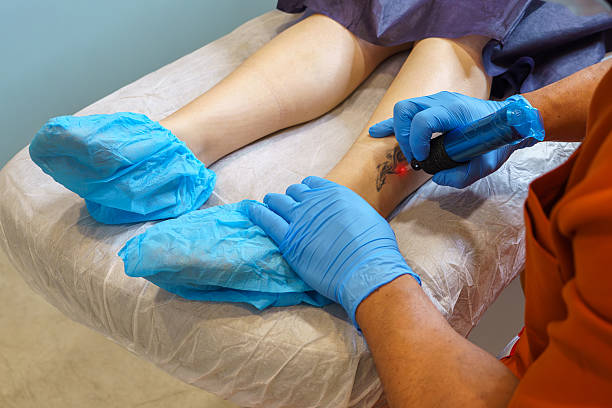
Tattoo ink is placed beneath the surface of the skin, and some tattoos contain pigment that sits deeper within the skin than others. This can make people wonder whether laser technology can reach and gradually break down deeply embedded tattoo ink. laser tattoo removal in abu dhabi is an approach that uses controlled laser energy to target tattoo pigment beneath the skin. Rather than removing the ink from the surface, the treatment works on pigment particles at different depths, allowing the body to gradually clear the fragmented ink over time.
How Deep Does Tattoo Ink Go Into the Skin?
When a tattoo is created, pigment is introduced into the dermal layer of the skin. This layer lies beneath the outer epidermis, allowing the ink to remain relatively stable instead of disappearing as the surface skin naturally renews itself. However, tattoo pigment is not always distributed at exactly the same depth.
Professional tattooing techniques, needle movement, pressure, skin characteristics, and the amount of pigment used can all influence how deeply ink is deposited. Some tattoos may therefore contain pigment at varying depths within the dermis. This variation is one reason tattoo removal can require a gradual and individualized treatment process.
Can Laser Treatment Reach Deep Tattoo Ink?
Laser tattoo removal is specifically designed to target pigment beneath the skin rather than simply treating the skin’s surface. Laser energy is absorbed by tattoo pigment, helping break larger ink particles into smaller fragments. These fragments can then be processed and gradually cleared through the body’s natural mechanisms.
Because laser energy can interact with pigment located beneath the surface, deeper tattoo ink can be addressed. However, the depth of the pigment is only one factor that determines how effectively a tattoo responds. Ink color, pigment density, tattoo age, and the characteristics of the tattoo itself can all influence the process.
Why Does Deep Tattoo Ink Take Longer to Fade?
Deeply deposited ink may take time to become noticeably lighter because the removal process depends on repeated treatment and gradual pigment clearance. A laser session does not simply lift all tattoo pigment out of the skin immediately. Instead, it breaks down targeted particles, after which the body gradually processes them.
As treatment progresses, the remaining pigment can become lighter and less concentrated. Additional sessions may then target the remaining particles. This staged process allows treatment to address pigment progressively rather than attempting to remove the entire tattoo at once.
Does Tattoo Depth Affect the Number of Sessions?
Tattoo depth can contribute to the overall number of treatment sessions, but it is not possible to determine the required number based on depth alone. A tattoo containing dense pigment may behave differently from one containing a lighter concentration of ink, even if both appear to have similar depth.
The tattoo’s colors also matter because different pigments interact with laser energy differently. Older tattoos, newer tattoos, professionally applied tattoos, and tattoos created using different pigment formulations can all respond differently.
For this reason, treatment planning generally considers the complete characteristics of the tattoo instead of focusing on depth as an isolated factor.
How Does Laser Energy Break Down Deep Pigment?
Laser tattoo removal uses specific wavelengths of light that can be absorbed by particular tattoo pigments. When the appropriate laser energy reaches the pigment, it can cause the ink particles to fragment into smaller pieces.
The surrounding skin is not the primary target because the treatment is directed toward the tattoo pigment. Once the pigment has been fragmented, the body’s natural processes can gradually clear the smaller particles.
This process explains why tattoo fading often continues between treatment sessions. The visible improvement is not necessarily limited to the moment when the laser is applied; the body continues processing the fragmented pigment afterward.
Do Dark and Light Inks Respond Differently?
Yes, tattoo color can significantly influence laser removal. Different pigments absorb different wavelengths, so the laser approach may need to be selected according to the colors present in the tattoo.
Dark pigments can respond differently from lighter shades, while tattoos containing multiple colors may require treatment approaches that account for each pigment. A tattoo with several colors may therefore progress differently from a tattoo dominated by a single dark shade.
Understanding the pigment composition is particularly important when the tattoo appears deep or dense because the visible appearance does not always reveal how the ink is distributed beneath the skin.
Does a Dense Tattoo Contain More Difficult Ink?
A dense tattoo may contain a greater concentration of pigment in certain areas, which can influence the removal process. When there is a substantial amount of ink, multiple treatment stages may be needed to progressively reduce the visible pigment.
Density and depth are related but are not identical. A tattoo can be relatively deep without being extremely dense, while another tattoo may contain a high concentration of pigment within a particular area. Treatment assessment therefore considers both factors along with color, age, size, and location.
Can Deep Ink Eventually Become Significantly Lighter?
Deep tattoo pigment can become substantially lighter through an appropriate laser treatment process, although the degree of fading varies from tattoo to tattoo. The response depends on the pigment characteristics and how effectively the laser can interact with the particular ink.
Some tattoos may fade considerably over a series of treatments, while others may retain small amounts of pigment. Complete removal should therefore not automatically be assumed. An assessment of the individual tattoo can provide a more realistic understanding of the expected treatment response.
Why Is Patience Important During Deep Tattoo Removal?
Laser tattoo removal is a gradual process, particularly when the tattoo contains substantial or deeply positioned pigment. Allowing adequate time between treatment sessions gives the body an opportunity to process the fragmented ink.
The tattoo may continue changing in appearance between sessions as pigment is gradually cleared. Rushing the process does not necessarily produce faster results, because successful removal depends on both the laser’s interaction with the pigment and the body’s natural clearance process.
Understanding this gradual progression can help people maintain realistic expectations while undergoing treatment.
What Determines the Success of Deep Ink Removal?
Several characteristics can influence how deeply embedded tattoo ink responds to laser treatment. These include the type and color of pigment, how densely the tattoo was applied, how long the tattoo has been present, its location, and the individual’s skin characteristics.
The laser technology and treatment parameters selected for the particular pigment are also important. A professional assessment can help determine which approach is appropriate for the tattoo and whether the pigment is likely to respond progressively to treatment.
Final Thoughts
Laser tattoo removal can address tattoo pigment located beneath the skin, including ink that has been deposited relatively deeply within the dermis. The process works by directing laser energy toward the pigment and breaking larger ink particles into smaller fragments that the body can gradually clear.
Deep tattoo ink may require patience because removal is progressive rather than immediate. Depth, pigment density, color, tattoo age, and other characteristics can all influence the treatment response. While many tattoos can become significantly lighter through a suitable treatment plan, the outcome varies between individuals and tattoo types. Understanding how laser energy interacts with deep pigment can help create realistic expectations about the tattoo removal journey.
FAQs
Can laser remove deeply embedded tattoo ink?
Yes, laser treatment is designed to target tattoo pigment beneath the skin and can address deeply deposited ink.
Does deep ink require more treatment?
Deep or dense pigment may require a longer treatment process, although the exact response varies according to the tattoo.
Can deep tattoo ink be completely removed?
Some tattoos can be extensively faded, while others may retain traces of pigment. Results depend on several tattoo-specific factors.
Does tattoo color affect deep ink removal?
Yes. Different colors absorb laser wavelengths differently, which can influence how the pigment responds.
Why does deep tattoo ink fade gradually?
Laser energy breaks the pigment into smaller particles, and the body then gradually processes and clears those particles over time.