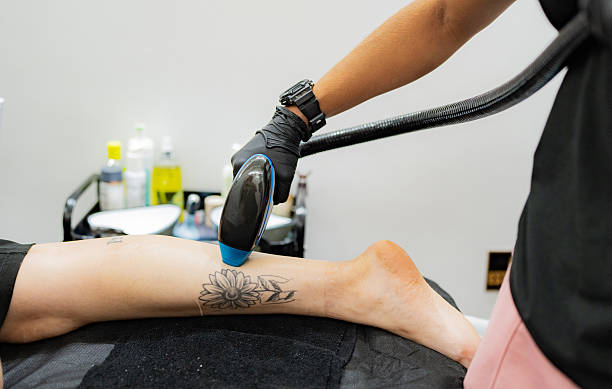
When considering laser tattoo removal in Abu Dhabi, many individuals wonder about the safety and potential impact on their skin. Laser tattoo removal has become a popular choice for those seeking to erase unwanted tattoos, but concerns about skin damage often accompany this decision. Understanding how the procedure works, its effects on the skin, and what to expect can help individuals make informed choices and approach the process with confidence.
How Laser Tattoo Removal Works
Laser tattoo removal involves the use of concentrated light beams to break down tattoo ink particles beneath the skin’s surface. The laser emits pulses of light at specific wavelengths targeted at the ink colors, causing the particles to fragment into smaller pieces. These smaller particles are then naturally eliminated by the body’s immune system over time. This process is precise and controlled, aiming to minimize damage to surrounding skin tissue.
Skin Response to Laser Treatment
When undergoing laser tattoo removal in Abu Dhabi, the skin responds to the laser pulses by undergoing a series of biological reactions. The targeted ink absorbs the laser energy, leading to the breakdown of pigment particles. This process can cause temporary changes in the skin’s appearance, such as redness or swelling, which typically subside shortly after treatment. The skin’s natural healing response is crucial in ensuring that the skin remains healthy and intact following the procedure.
Potential for Skin Damage
While laser tattoo removal is generally regarded as safe when performed properly, some individuals worry about possible skin damage. It is important to note that adverse effects are uncommon when experienced practitioners conduct the procedure with appropriate settings. The key factors influencing skin safety include the laser’s wavelength, the skill of the technician, and the individual’s skin type.
Factors Influencing Skin Safety
- Skin Type and Color: Darker skin tones may have a higher risk of pigmentation changes, which can sometimes be mistaken for damage. Proper assessment and tailored laser settings help mitigate this risk.
- Laser Settings: Using the correct wavelength, pulse duration, and energy level ensures effective ink removal while protecting the skin.
- Treatment Area: Sensitive or delicate areas may require special attention to prevent unnecessary skin trauma.
Common Precautions During Laser Tattoo Removal
To ensure skin safety, certain precautions are recommended during the process:
- Pre-Treatment Evaluation: A thorough skin assessment helps in selecting the appropriate laser settings and identifying any skin conditions that could influence treatment.
- Proper Technique: Skilled practitioners use precise techniques to target ink particles effectively without harming surrounding tissues.
- Post-Treatment Care: Following the recommended aftercare helps maintain skin integrity and promotes healing.
Comparing Laser Tattoo Removal to Other Methods
In comparison to other tattoo removal methods, laser treatment is considered less invasive and more controlled. It offers a higher degree of precision, reducing the likelihood of skin damage when performed correctly. Other methods may involve more extensive procedures that could pose a greater risk to the skin’s health.
Long-Term Skin Health and Laser Tattoo Removal
When performed properly, laser tattoo removal does not cause long-term damage to the skin. Instead, it aims to remove ink while preserving skin integrity. Most individuals experience minimal lasting effects, and the skin typically returns to a healthy state post-treatment. The key is choosing experienced practitioners who understand the nuances of laser settings and skin types.
FAQs About Laser Tattoo Removal and Skin Safety
Is laser tattoo removal safe for all skin types?
Laser tattoo removal is generally safe for most skin types when performed by trained professionals. However, individuals with darker skin tones should discuss their specific skin characteristics with the technician to minimize any risk of pigmentation changes or other skin responses.
Can laser tattoo removal cause permanent skin damage?
When executed with proper technique and equipment, laser tattoo removal does not cause permanent skin damage. The procedure is designed to target ink particles precisely while protecting the surrounding skin tissue.
How does skin heal after laser tattoo removal?
Post-treatment, the skin may experience temporary redness, swelling, or mild irritation. With proper aftercare, the skin typically heals quickly, restoring its natural appearance without lasting damage.
Are there any skin conditions that might affect laser tattoo removal safety?
Certain skin conditions, such as eczema or psoriasis, may require special considerations before undergoing laser treatment. Consulting with a skin specialist ensures that the chosen procedure aligns with individual skin health.
What precautions should be taken before and after treatment?
Pre-treatment precautions include avoiding sun exposure and skincare products that might sensitize the skin. After treatment, keeping the area clean, avoiding picking or scratching, and following the aftercare instructions provided by the practitioner are vital for healthy healing.
Final Thoughts
Laser tattoo removal in Abu Dhabi offers a safe and effective way to erase unwanted tattoos with minimal risk to the skin when performed by skilled professionals. While concerns about skin damage are understandable, advances in laser technology and a thorough understanding of skin responses have made the procedure safer than ever. Proper assessment, technique, and aftercare are essential in ensuring that the skin remains healthy and undamaged during and after the removal process. For anyone considering laser tattoo removal, choosing a reputable provider and following recommended guidelines can help achieve the desired results without compromising skin health.
READ MORE : Can Laser Tattoo Removal Remove Large Tattoos?