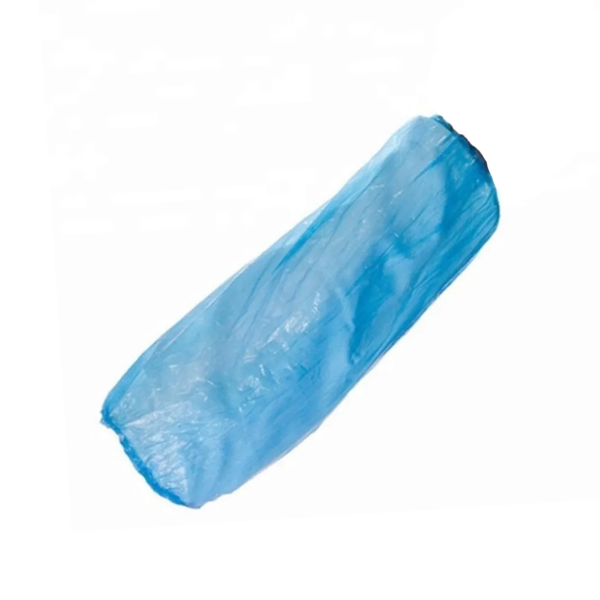
Disposable sleeve covers
Hand protection is essential in workplaces where employees handle chemicals, oils, cleaning products, sharp-edged materials, or potentially contaminated items. Choosing the right gloves can help reduce exposure to workplace hazards, improve handling, and support safer working practices. Disposable heavy duty nitrile gloves are a popular option for professionals who need single-use hand protection with greater durability than many lightweight disposable gloves.
Made from synthetic nitrile rubber, these gloves are designed to provide a combination of strength, flexibility, and resistance to various substances. They are commonly used in automotive workshops, industrial environments, cleaning services, healthcare settings, laboratories, and food processing operations, depending on the product’s specifications and intended use.
However, not all nitrile gloves provide the same level of protection. Thickness, material quality, cuff length, grip texture, fit, and chemical compatibility can all affect their suitability for a particular task. Selecting gloves based only on appearance or price may result in inadequate protection.
This guide explains what heavy duty disposable nitrile gloves are, their main features, the industries that use them, how to select the right product, and what businesses should consider when purchasing them in bulk.
What Are Disposable Heavy Duty Nitrile Gloves?
Disposable heavy duty nitrile gloves are single-use protective gloves manufactured from nitrile rubber, a synthetic material made from acrylonitrile and butadiene. Nitrile is widely used in protective gloves because it offers useful resistance to oils, greases, and many other substances, depending on the glove’s formulation and thickness.
The term heavy duty generally describes gloves designed with a more robust construction than lightweight disposable alternatives. These gloves may feature thicker material, reinforced areas, textured fingertips, or an extended cuff to support particular workplace tasks.
Unlike reusable industrial gloves, disposable nitrile gloves are typically intended for one use or a limited period of use according to the manufacturer’s instructions. They should be discarded when damaged, contaminated, or no longer suitable for the task.
The exact protection offered by disposable heavy duty nitrile gloves varies between products. A thicker glove may provide better resistance to tearing in some applications, but thickness alone does not guarantee protection against every chemical, puncture, or mechanical hazard.
Businesses should review the manufacturer’s specifications and select gloves based on the risks involved in the work.
Key Features of Heavy Duty Disposable Nitrile Gloves
Understanding the main features of nitrile gloves helps buyers choose products that match their operational requirements.
Durable Material Construction
Nitrile rubber is valued for its resistance to many oils and greases and its ability to provide a flexible protective barrier. Heavy duty disposable gloves may use a thicker construction to improve durability during demanding tasks.
This can be useful for maintenance work, equipment cleaning, automotive servicing, and industrial handling where lightweight gloves may tear too easily.
However, disposable nitrile gloves are not puncture-proof. They should not be treated as substitutes for specialist cut-resistant or heavy mechanical protection gloves.
Chemical Resistance
Nitrile gloves can resist certain chemicals, but their performance depends on the specific chemical, its concentration, temperature, exposure duration, and the glove’s construction.
For example, a glove that performs well when handling some oils may not provide adequate protection against a particular solvent or corrosive substance.
Businesses should consult the manufacturer’s chemical resistance chart and relevant permeation or degradation data before using nitrile gloves for chemical handling.
Where hazardous chemicals are involved, a workplace risk assessment should determine the appropriate glove material and protection level.
Textured Grip
Many heavy duty disposable nitrile gloves feature textured fingertips or a textured palm to improve grip.
A suitable grip can help workers handle tools, containers, equipment, and materials more securely, particularly when working with oily or damp surfaces.
Grip performance varies between products and working conditions. Buyers should consider the type of material being handled and whether the gloves remain practical for tasks requiring fine motor control.
Flexible Fit
Although heavy duty gloves may be thicker than standard disposable options, a well-designed product should still allow workers to perform tasks comfortably.
A suitable fit supports hand movement and reduces unnecessary strain during repetitive work. Gloves that are too tight may cause discomfort, while oversized gloves can reduce control and increase the risk of snagging.
Choosing the correct size is therefore important for both comfort and practical performance.
Latex-Free Material
Nitrile gloves are made from synthetic rubber and do not contain natural rubber latex as their base material. This makes them an option for workplaces seeking to avoid natural rubber latex proteins.
However, individuals can still experience skin irritation or allergic reactions to glove additives or other materials. Businesses should consider worker sensitivities and consult appropriate health and safety guidance when selecting gloves.
Extended Cuffs
Some heavy duty disposable nitrile gloves feature longer cuffs to provide additional coverage around the wrist and lower forearm.
This may be useful when handling liquids, cleaning equipment, or performing tasks where splashes are possible.
An extended cuff does not make a glove suitable for every chemical or liquid hazard. Protection depends on the product’s design, material properties, and intended application.
Benefits of Disposable Heavy Duty Nitrile Gloves
The right nitrile gloves can provide practical advantages in workplaces that require reliable single-use hand protection.
Improved Tear Resistance in Suitable Applications
A heavier glove construction may help reduce tearing during tasks involving repeated hand movement, gripping, or contact with rough materials.
This can be beneficial in automotive maintenance, industrial cleaning, and general workshop activities.
Actual performance depends on the product’s design and the task. Gloves should be replaced immediately when damage is detected.
Resistance to Oils and Greases
Nitrile is often selected for work involving lubricants, oils, and greases because it offers resistance to many petroleum-based substances.
Automotive technicians, mechanics, and maintenance personnel may use nitrile gloves to reduce direct skin contact with these materials.
Chemical compatibility must still be verified for the exact substance being handled. Nitrile is not universally resistant to all solvents, fuels, or industrial chemicals.
Support for Workplace Hygiene
Single-use gloves can support hygiene procedures when workers change them appropriately between tasks.
Healthcare professionals, laboratory staff, cleaning teams, and food handlers may use disposable gloves as part of their established procedures.
Gloves do not eliminate the need for hand hygiene, and contaminated gloves can spread substances between surfaces if they are not changed and disposed of correctly.
Convenience for Busy Workplaces
Disposable gloves are easy to distribute and replace, making them useful for workplaces with frequent changes in tasks or contamination risks.
They do not generally require the washing and maintenance associated with reusable gloves. However, businesses should still manage storage, stock rotation, and disposal properly.
Potential Cost Efficiency
Heavy duty disposable nitrile gloves may reduce interruptions caused by frequent tearing when compared with gloves that are unsuitable for the task.
To evaluate cost efficiency, businesses should consider the price per glove, frequency of replacement, product performance, and disposal costs.
The cheapest product is not necessarily the most economical if it fails to provide suitable protection or needs to be replaced frequently.
Common Uses of Disposable Heavy Duty Nitrile Gloves
These gloves are used across various sectors, although the required specifications differ by industry.
Automotive Workshops and Mechanics
Automotive technicians regularly handle lubricants, grease, engine fluids, cleaning products, and components with dirty surfaces.
Heavy duty disposable nitrile gloves can help reduce direct skin contact with certain automotive substances while keeping hands cleaner during routine maintenance.
Mechanics should verify compatibility with each chemical or fluid, especially where solvents, concentrated cleaners, or fuels are involved.
For tasks involving sharp components, hot surfaces, or serious mechanical hazards, additional or alternative protective equipment may be necessary.
Industrial Cleaning
Cleaning professionals may use nitrile gloves when handling suitable detergents, degreasers, and cleaning solutions.
Thicker disposable gloves can offer practical durability during certain cleaning tasks, but they should not be assumed to protect against every cleaning chemical.
Before selecting gloves, review the safety data sheet for each chemical and the manufacturer’s resistance information.
Manufacturing and Maintenance
Manufacturing facilities and maintenance teams may use disposable nitrile gloves for equipment inspections, handling lubricated parts, and general maintenance tasks.
The appropriate glove depends on whether workers face chemical exposure, sharp edges, heat, or mechanical hazards.
Where there is a significant risk of cuts or punctures, specialist protective gloves may be required instead of disposable nitrile gloves.
Healthcare and Medical Environments
Nitrile examination gloves are commonly used for tasks requiring suitable single-use hand protection in healthcare settings.
They may be selected because they are available in latex-free formulations and can provide an appropriate barrier for specific clinical tasks.
Healthcare facilities should ensure that gloves meet the relevant medical requirements and are suitable for their intended use. Heavy duty industrial gloves are not automatically appropriate for medical examinations or sterile procedures.
Food Processing and Catering
Food processing businesses, commercial kitchens, and catering operations may use disposable nitrile gloves for suitable food handling activities.
Where gloves are intended for direct food contact, businesses should confirm that the specific product is suitable for that use and complies with applicable requirements.
Gloves should be changed when contaminated, damaged, or when switching between tasks where cross-contamination is possible. Proper handwashing and food safety procedures remain essential.
Laboratories and Technical Work
Laboratories may use nitrile gloves for handling selected samples, equipment, and substances.
The correct glove depends on the chemicals involved, the procedure, the potential exposure route, and the manufacturer’s technical data.
For hazardous laboratory chemicals, glove selection should be based on a documented assessment rather than a general assumption that nitrile provides universal chemical protection.
How to Choose the Right Disposable Heavy Duty Nitrile Gloves
Selecting the right product requires consideration of protection, fit, durability, and intended use.
Check Glove Thickness
Thickness is an important purchasing consideration because it can influence durability, dexterity, and resistance to certain forms of damage.
Heavier gloves may be suitable for tasks requiring greater durability, while thinner gloves can be preferable for procedures requiring fine tactile control.
There is no single ideal thickness for every application. Compare the manufacturer’s measurements and performance information rather than relying solely on marketing terms such as extra thick or industrial strength.
Select the Correct Size
Gloves should fit securely without excessive tightness or loose material around the fingers.
Most suppliers offer several sizes, although sizing systems and dimensions may vary between manufacturers.
When buying for a team, review the available size range and consider ordering samples before committing to a large quantity.
Evaluate Grip and Texture
Textured gloves may help improve handling in certain conditions.
Consider whether the task involves dry objects, wet surfaces, oils, or small components. The appropriate texture should support grip without making the work unnecessarily difficult.
Review Chemical Compatibility
For chemical handling, confirm that the exact glove is suitable for the chemical and exposure conditions.
Important factors include concentration, temperature, exposure duration, permeation rate, degradation, and the consequences of glove failure.
Consult manufacturer documentation and seek qualified safety advice when the risks are significant.
Confirm Intended Use and Compliance
Products intended for medical, food contact, industrial, or general cleaning applications may have different requirements.
Review product specifications and applicable Australian regulatory or standards requirements before purchasing. Do not assume that all disposable nitrile gloves are suitable for every workplace.
Compare Packaging and Quantity
Disposable nitrile gloves may be sold in boxes, cartons, or larger bulk quantities.
Calculate the number of gloves required based on staff numbers, daily usage, replacement frequency, and expected delivery lead times.
A well-planned order should balance purchasing efficiency with storage capacity and product shelf life.
Disposable Heavy Duty Nitrile Gloves vs Latex Gloves
Nitrile and latex gloves are both used for hand protection, but they have different material properties.
Nitrile gloves are made from synthetic rubber and are often selected for resistance to many oils and greases. Latex gloves are made from natural rubber and can offer excellent flexibility and tactile sensitivity.
Latex proteins can trigger allergic reactions in susceptible individuals, so nitrile is frequently considered when avoiding natural rubber latex is a priority.
However, neither material is suitable for every application. Chemical resistance, durability, fit, and intended use should guide selection.
Businesses should compare technical specifications and consider worker needs rather than assuming one material is always superior.
Disposable Heavy Duty Nitrile Gloves vs Reusable Industrial Gloves
Disposable nitrile gloves are designed for single-use or limited-use applications, depending on the manufacturer’s instructions. Reusable industrial gloves are designed for repeated use under specified conditions.
Disposable gloves can be convenient for tasks requiring frequent changes, hygiene controls, or handling of certain contaminants.
Reusable gloves may be more appropriate for extended work, certain chemical exposures, or applications requiring greater mechanical protection, provided they are suitable for the hazard and maintained correctly.
The decision should consider protection requirements, replacement frequency, cleaning procedures, waste generation, and total cost.
Disposable gloves should not be reused simply to reduce expenses unless the product is explicitly designed for reuse and the manufacturer’s instructions permit it.
Buying Disposable Heavy Duty Nitrile Gloves in Bulk
Businesses that use large quantities of gloves may benefit from a structured purchasing process.
Start by estimating consumption based on actual usage records. Identify the sizes, specifications, and packaging quantities required by each department.
Next, compare suppliers using equivalent products. Review the unit price, freight charges, minimum order quantity, stock availability, and delivery terms.
Ask for technical documentation before purchasing a new product, particularly when gloves will be used for chemical handling, medical applications, or food contact.
Check storage requirements and maintain appropriate inventory records. Products should be stored according to manufacturer instructions and protected from conditions that may damage the material.
For recurring purchases, consider scheduled orders or volume pricing where available. Monitor supplier performance and reassess the arrangement when product requirements or demand change.
Proper Use, Storage, and Disposal
Correct use is essential for gloves to provide their intended level of protection.
Workers should inspect gloves before use and replace them if they are damaged, contaminated, or unsuitable for the task. Gloves should be removed carefully to reduce the risk of transferring contaminants to the skin.
Hand hygiene should be performed according to workplace procedures, including after glove removal where required.
Store gloves in their original packaging or another suitable container, following the manufacturer’s recommendations. Avoid conditions that may damage the material, such as excessive heat, direct sunlight, or unsuitable chemical exposure.
Dispose of used gloves according to the contamination involved and the workplace’s waste management procedures. Gloves contaminated with hazardous chemicals, infectious materials, or other regulated substances may require specialised disposal arrangements.
Employers should provide workers with suitable training on glove selection, limitations, replacement, and safe removal.
Frequently Asked Questions
What Are Disposable Heavy Duty Nitrile Gloves Used For?
They are used for suitable tasks in automotive workshops, industrial cleaning, maintenance, manufacturing, healthcare, food processing, and laboratories. The appropriate application depends on the glove’s specifications and the hazards involved.
Are Heavy Duty Nitrile Gloves Better Than Standard Disposable Gloves?
They may offer greater durability in some applications because of their construction or thickness. However, heavier gloves are not automatically better for every task. Dexterity, chemical compatibility, fit, and intended use must also be considered.
Are Disposable Nitrile Gloves Chemical Resistant?
Nitrile resists many oils and certain chemicals, but its performance varies by substance and product. Always consult the manufacturer’s chemical compatibility data before handling hazardous materials.
Are Heavy Duty Nitrile Gloves Latex-Free?
Nitrile gloves are made from synthetic rubber rather than natural rubber latex. However, other glove additives can cause reactions in some individuals. Check the product specifications if latex avoidance is important.
Can Disposable Heavy Duty Nitrile Gloves Be Reused?
They are generally intended for single use or limited use according to the manufacturer’s instructions. Damaged, contaminated, or unsuitable gloves should be replaced. Do not reuse them unless the product is specifically designed for reuse and the instructions allow it.
Are Nitrile Gloves Suitable for Food Handling?
Some nitrile gloves are suitable for food contact. Buyers should confirm that the specific product meets applicable requirements and is intended for food handling.
What Thickness Is Best for Heavy Duty Nitrile Gloves?
The appropriate thickness depends on the task. Thicker gloves may offer greater durability in some situations, while thinner products can provide better tactile sensitivity. Consult the manufacturer’s specifications and choose according to the workplace risk assessment.
How Should Nitrile Gloves Be Stored?
Store gloves according to the manufacturer’s instructions, generally in a clean, dry location away from damaging environmental conditions. Keep them protected from excessive heat, direct sunlight, and chemicals that may affect the material.
How Can Businesses Choose the Right Glove Size?
Consult the manufacturer’s sizing chart and consider hand measurements, comfort, and dexterity. Businesses purchasing for multiple workers may benefit from evaluating samples across the available sizes.
Where Can Businesses Buy Disposable Heavy Duty Nitrile Gloves in Bulk?
Businesses can purchase them from specialist PPE suppliers, industrial safety distributors, and medical consumables wholesalers. Compare product specifications, delivery terms, pricing, and supporting documentation before placing a bulk order.
Conclusion
Disposable heavy duty nitrile gloves are a practical option for many workplaces that require single-use hand protection and greater durability than some lightweight disposable alternatives. Their flexibility, resistance to many oils and greases, and availability in different sizes and constructions make them useful across several industries.
However, selecting the right gloves requires more than choosing the thickest product or the lowest price. Businesses should assess workplace hazards, check chemical compatibility, verify product specifications, and consider fit, grip, and intended use.
For organisations purchasing gloves regularly, comparing suppliers and planning bulk orders can improve inventory management and help control procurement costs. Proper storage, replacement, hand hygiene, and disposal are equally important for maintaining effective protection.
By choosing gloves suited to the task and following the manufacturer’s instructions, businesses can support safer working practices while making more informed purchasing decisions.