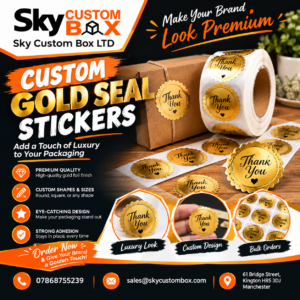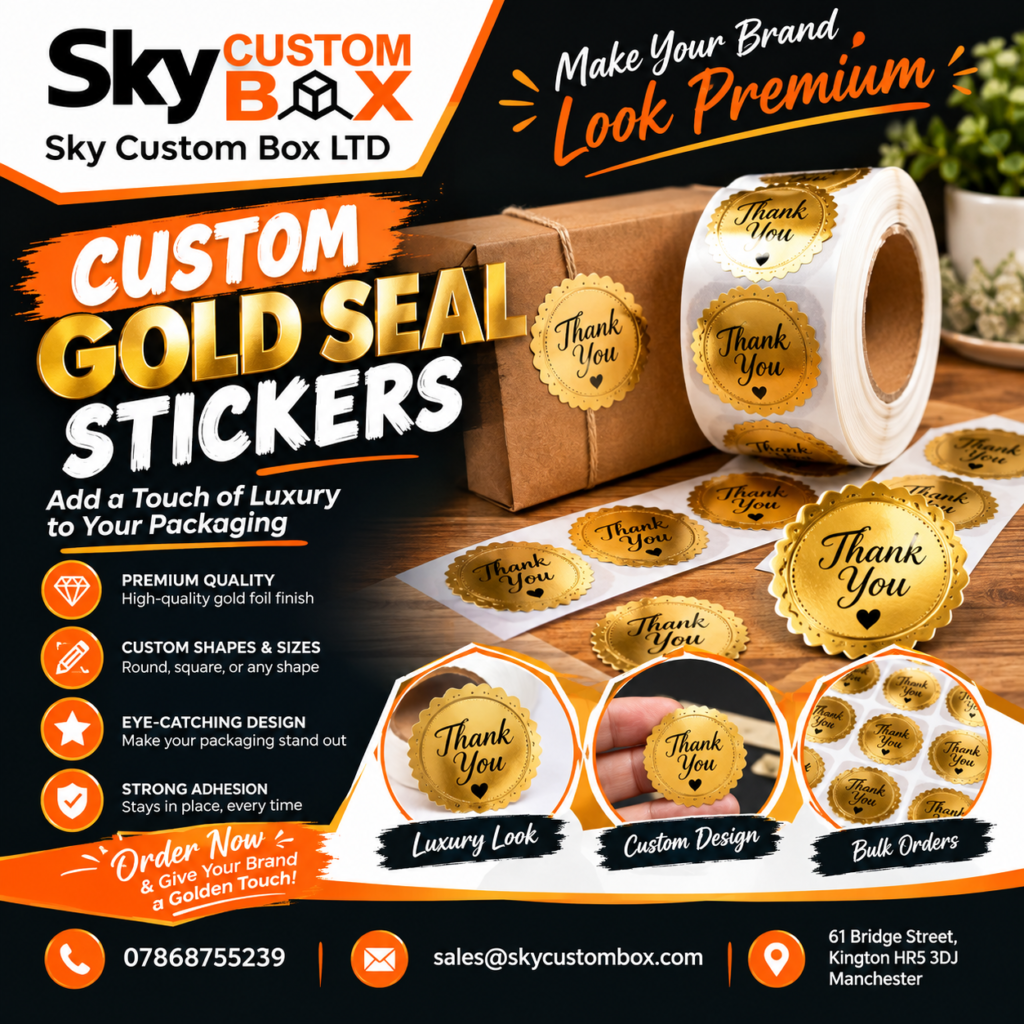
In a competitive retail and e-commerce market, packaging plays an important role in shaping how customers perceive a product. Before customers experience the quality of an item itself, they often notice its presentation, colours, materials, and finishing details. Even small packaging elements can influence whether a product feels ordinary or premium. One increasingly popular option for adding a sophisticated finishing touch is custom gold seal stickers.
Gold-finished stickers are more than decorative packaging accessories. They can communicate quality, reinforce brand identity, improve product presentation, and create a memorable unboxing experience. From luxury cosmetics and handmade products to gift boxes, retail packaging, and corporate merchandise, these stickers offer businesses a practical way to enhance their packaging without redesigning the entire box.
As UK businesses continue to focus on packaging aesthetics, sustainability, and customer experience, understanding how to use decorative seals effectively can help brands make more informed packaging decisions.
1. Why Gold Seal Stickers Are Popular in Modern Packaging
Gold has long been associated with elegance, quality, celebration, and exclusivity. In packaging design, metallic finishes can create a visual contrast that attracts attention while giving products a more refined appearance.
Gold seal stickers are commonly used to close packaging, highlight branding, decorate gift boxes, and add finishing details to product labels. Their versatility makes them suitable for businesses operating across different industries.
Several factors contribute to their growing popularity.
Premium visual appeal: Metallic gold creates an attractive finish that can make simple packaging appear more sophisticated.
Brand recognition: Businesses can incorporate logos, initials, brand names, or distinctive symbols into their sticker designs.
Packaging consistency: Matching gold seals with branded boxes, tissue paper, ribbons, and labels helps create a coordinated presentation.
Affordable customisation: Stickers provide an opportunity to personalise packaging without investing in completely customised boxes for every product.
For small businesses, this flexibility is particularly useful. A company can use standard packaging materials and introduce branded gold seals to achieve a more recognisable appearance.
2. Different Types of Gold Stickers and Their Applications
Not every gold sticker produces the same visual effect. The choice of material, finish, shape, and printing method can significantly influence the final result.
Understanding the available options helps businesses select a design that matches their products and brand identity.
Metallic Gold Stickers
Metallic gold stickers feature a reflective surface that resembles polished metal. They are suitable for brands seeking a noticeable decorative finish.
Common applications include:
- Luxury gift boxes
- Perfume and cosmetic packaging
- Jewellery packaging
- Premium retail products
- Wedding and event stationery
Their reflective appearance works particularly well when combined with dark backgrounds, neutral colours, and minimalist designs.
Gold Foil Stickers
Gold foil stickers use a metallic foil effect to create an elegant and distinctive appearance. Depending on the production process, foil can be applied to selected design elements, such as logos, borders, lettering, or decorative patterns.
They are frequently used for premium product presentation, limited-edition packaging, and promotional materials.
Matte Gold Stickers
Matte gold offers a softer appearance than highly reflective metallic finishes. It can suit businesses that prefer understated elegance rather than a highly decorative look.
Matte finishes are particularly effective with minimalist packaging, natural colours, and contemporary branding.
Custom Logo and Printed Gold Seals
Businesses can also personalise stickers with their own logos, brand initials, short messages, or other visual elements.
For example, a skincare company might use a gold circular sticker featuring its logo to seal tissue paper inside a product box. A handmade gift business could use a personalised seal to add a professional finishing touch to every order.
3. How Custom Gold Seal Stickers Improve Brand Identity
Brand identity is developed through repeated visual experiences. Customers become familiar with a company’s colours, logo, typography, packaging, and overall presentation.
Packaging details contribute to this recognition, particularly when businesses maintain a consistent visual style.
Creating a recognisable appearance
A distinctive packaging seal can become part of a brand’s visual identity. When customers repeatedly encounter the same sticker design across different products, it helps reinforce brand recognition.
Communicating product positioning
Packaging communicates expectations. A carefully designed gold seal may suggest that a product is premium, exclusive, gift-worthy, or carefully presented.
However, the design should reflect the actual product quality. Attractive packaging works best when it supports an authentic customer experience.
Building a memorable unboxing experience
The unboxing experience has become an important part of e-commerce customer engagement. Customers often share attractive purchases through photographs, reviews, and social media content.
A personalised sticker sealing tissue paper or closing a gift box can provide an additional visual detail that makes the package feel thoughtfully prepared.
Supporting brand consistency
Businesses should consider how gold stickers complement their wider packaging system, including:
- Custom printed boxes
- Branded tissue paper
- Product labels
- Thank-you cards
- Ribbons and wrapping materials
- Shipping inserts
A consistent design approach helps create a professional presentation across different customer touchpoints.
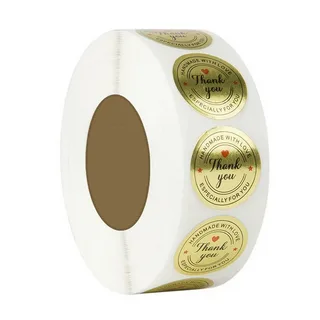
4. Practical Tips for Choosing the Right Gold Seal Stickers
Selecting the right packaging sticker involves more than choosing an attractive colour. Businesses should consider the product, packaging material, storage conditions, application process, and overall branding requirements.
Here are some practical considerations.
Choose the Right Material
Sticker materials affect durability, appearance, and application.
Paper stickers can work well for dry indoor packaging, gift boxes, and decorative applications. Synthetic materials may be more suitable when additional moisture resistance or durability is required.
The choice should depend on where and how the sticker will be used.
Select an Appropriate Shape and Size
Circular stickers are a popular choice for sealing tissue paper and gift boxes. However, square, rectangular, oval, and custom-cut shapes can offer different design possibilities.
Before confirming an order, consider:
- The available sealing area
- The size of the packaging
- The placement of the brand logo
- The visibility of printed text
- Whether the sticker needs to overlap two surfaces
A sticker should be large enough to remain visible but not so large that it overwhelms the packaging design.
Pay Attention to Adhesive Quality
Adhesion is particularly important when stickers are used as packaging seals.
An adhesive that is too weak may lift during storage or transportation. On the other hand, an adhesive that is too strong could damage delicate paper or packaging surfaces when removed.
Businesses should test samples on their actual packaging materials before selecting a final adhesive specification.
Keep the Design Simple
Metallic finishes already attract attention, so complicated designs are not always necessary.
A strong design may include:
- A clear brand logo
- Minimal typography
- A simple decorative border
- A short brand message
- A balanced combination of colours
Good contrast and readable text are more important than including too many decorative elements.
Request Samples Before Large Orders
Sampling is a useful step for evaluating colour, finish, print quality, adhesive performance, and overall appearance.
A physical sample can also reveal differences between how a design appears on a computer screen and how it looks when applied to actual packaging.
5. Common Packaging Challenges and How Businesses Can Solve Them
Although decorative stickers are relatively simple packaging components, businesses can encounter several practical challenges.
Problem: Stickers do not adhere properly
Dust, moisture, textured surfaces, and unsuitable adhesives can affect sticker performance.
Solution: Clean and dry the application surface, select an adhesive compatible with the packaging material, and conduct application tests.
Problem: Metallic printing looks different from the expected design
Gold effects can vary depending on the printing technique, material, lighting, and surface finish.
Solution: Request physical samples and confirm whether the required appearance is metallic ink, foil, or a reflective gold material.
Problem: Packaging looks inconsistent across different products
Using different sticker sizes, colours, or designs without a clear visual strategy can weaken brand consistency.
Solution: Establish packaging guidelines that specify logo placement, sticker dimensions, colour combinations, and finishing preferences.
Problem: Decorative seals increase packaging costs
Customisation can introduce additional expenses, particularly when businesses order several different designs.
Solution: Standardise sticker sizes where possible, select versatile designs, and compare production quantities against expected packaging requirements.
These practical steps can help businesses achieve an attractive appearance while maintaining packaging efficiency.
6. The Future of Decorative Packaging in the UK
Packaging expectations continue to evolve as consumers pay greater attention to product presentation, environmental considerations, and brand authenticity.
In the UK, e-commerce businesses, independent retailers, beauty brands, and gift companies are increasingly considering packaging as part of their wider customer experience strategy.
Several trends are influencing packaging decisions.
Personalisation: Customers increasingly appreciate packaging that feels distinctive and carefully designed. Personalised seals and branded stickers provide a relatively simple way to introduce this detail.
Minimalist design: Clean typography, simple layouts, and carefully selected metallic finishes are becoming important elements of contemporary packaging aesthetics.
Social media presentation: Visually appealing packaging can encourage customers to share purchases online, giving businesses additional opportunities for organic brand exposure.
Sustainable material choices: Businesses are paying closer attention to recyclable packaging, responsible material sourcing, and reducing unnecessary packaging waste. Sticker materials, adhesives, and their compatibility with recycling systems should be considered as part of the overall packaging design.
Flexible packaging solutions: Small and growing businesses often need packaging components that can be adapted to changing products, seasonal collections, and promotional campaigns.
Packaging suppliers such as Sky Custom Box (https://www.skycustombox.com/) are part of the wider UK packaging industry, where customisation and presentation are important considerations for businesses developing distinctive product packaging.
The key is to balance attractive design with practical performance, material suitability, and environmental responsibility.
Conclusion
Packaging is an important part of the overall product experience, and even small details can influence how customers perceive a brand. Gold-finished seals offer businesses a versatile way to introduce elegance, reinforce visual identity, and improve the presentation of retail and e-commerce products.
By selecting suitable materials, choosing the right adhesive, maintaining consistent branding, and testing samples before production, businesses can make more effective packaging decisions.
Ultimately, custom gold seal stickers are most valuable when they serve a clear purpose within a wider packaging strategy. Whether used for gift boxes, cosmetics, handmade products, jewellery, or premium retail packaging, a thoughtfully designed seal can transform a simple package into a more distinctive and memorable customer experience.