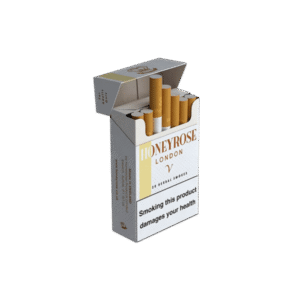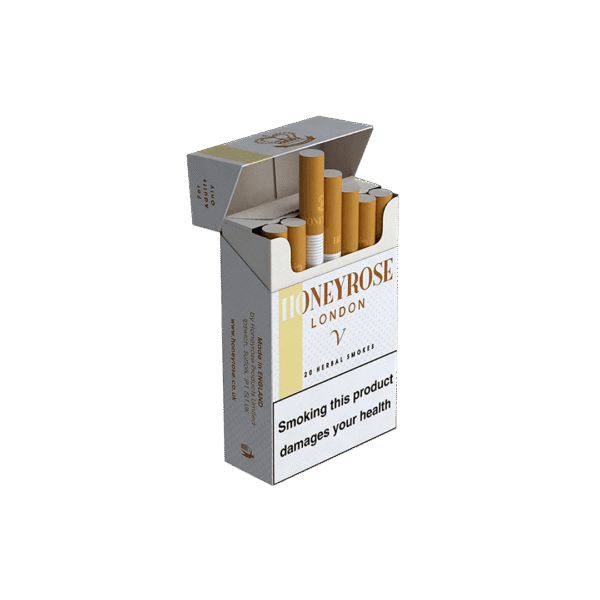
Packaging plays an important role in product presentation, storage, and retail organisation. Businesses require packaging that meets product specifications while maintaining a consistent and professional appearance. Custom Cigarette Boxes offer a way to create packaging according to specific dimensions, material preferences, and printing requirements. Customised packaging also allows businesses to organise product information and maintain consistency across different packaging designs.
Retail packaging is an important part of the overall product experience. A well-designed box can provide a neat appearance and help products remain organised during storage and distribution. Businesses can consider different packaging styles depending on their manufacturing requirements and applicable regulations.
Importance of Custom Packaging Solutions
Every product has different packaging requirements. Standard packaging may not always provide the desired dimensions, appearance, or functionality. Custom packaging allows businesses to select suitable designs based on their specific requirements.
Companies can consider different box structures, material options, and printing finishes to develop packaging that meets their production needs. Custom CBD boxes offer flexible packaging options for CBD-related products, allowing businesses to select suitable materials, dimensions, and designs while meeting relevant product labelling and packaging regulations. These choices help create consistency across packaging batches while supporting efficient product handling.
Custom packaging also provides flexibility when businesses update their product ranges or packaging specifications. Instead of relying on a single standard design, companies can explore different formats that suit their operational requirements.
Selecting Suitable Packaging Materials
Material selection is an important consideration when developing retail packaging. The material influences the packaging’s strength, appearance, and overall construction. Custom Mylar Bags provide flexible packaging options with different material structures, thicknesses, and sizes to support product storage, handling, and specific packaging requirements. Businesses should evaluate different options according to their packaging specifications and manufacturing processes.
Cardboard and paperboard are commonly used in various retail packaging applications because they can be shaped, printed, and finished in different ways. Their thickness and structural properties can be selected according to the required packaging design.
A suitable material should provide appropriate support while maintaining a neat appearance. Businesses should also consider material sourcing, production quality, and environmental requirements when choosing packaging materials.
Custom Sizes and Box Structures
Packaging dimensions influence how products fit inside their boxes and how efficiently they can be stored. Incorrect sizing may create unnecessary space or affect the overall packaging structure. Custom sizing helps businesses develop boxes according to specific product measurements.
Different structural designs can be considered depending on manufacturing requirements. Folding cartons, tuck-end boxes, and other suitable box styles offer different construction options. The choice depends on the desired appearance, storage needs, and production specifications.
Accurate measurements are essential for achieving consistent results. Businesses should evaluate the dimensions of their products and discuss suitable structural options with their packaging manufacturers before starting production.
Professional Printing and Packaging Appearance
Printing is an important part of retail packaging design. It helps communicate product information and creates a consistent visual appearance across packaging materials. Businesses can select different printing techniques depending on their design requirements and applicable packaging regulations.
Colour consistency, typography, alignment, and print clarity all influence the final appearance. A well-organised design can make important information easier to read while maintaining a professional presentation.
However, cigarette packaging is subject to strict advertising, labelling, and health-warning regulations in many markets. Businesses must ensure that their packaging designs follow the applicable legal requirements, including restrictions on promotional graphics, branding, and product presentation.
Packaging Quality and Manufacturing Standards
Manufacturing quality has a direct influence on the performance of retail packaging. Businesses should pay attention to material consistency, cutting accuracy, folding precision, and finishing standards when selecting a packaging manufacturer.
Proper construction helps boxes maintain their intended shape during handling and distribution. Consistent manufacturing also reduces variations between packaging batches, making it easier for businesses to manage inventory.
Quality checks throughout production can help identify printing errors, incorrect dimensions, and structural problems. Reviewing samples before approving a large production order is a practical way to evaluate packaging quality.
Retail Storage and Product Organisation
Retail packaging must also support organised storage and distribution. Businesses need packaging formats that can be handled efficiently throughout the supply chain. Consistent box dimensions can make it easier to arrange products in storage areas and manage inventory.
Suitable packaging structures may also help protect products from ordinary handling damage. Strong construction and accurate folding can contribute to maintaining the intended shape of the box during transportation.
Retailers and distributors benefit from packaging that is easy to identify and organise. Clear product information and consistent packaging specifications can support inventory management and reduce confusion during handling.
Sustainable Packaging Considerations
Environmental considerations are becoming increasingly important in the packaging industry. Businesses are exploring material options that support responsible sourcing and waste reduction.
Paperboard and cardboard packaging may offer recyclable material choices, depending on their coatings, inks, adhesives, and local recycling facilities. Companies should review the complete packaging structure rather than assuming every paper-based option is automatically recyclable.
Reducing unnecessary material, selecting appropriate box dimensions, and improving manufacturing efficiency can also contribute to more responsible packaging practices.
Businesses should work with suppliers that can explain available material specifications and provide information about recycling suitability. These decisions can help companies consider environmental responsibilities alongside packaging performance.
Choosing a Reliable Packaging Manufacturer
Selecting an experienced packaging manufacturer is important for achieving consistent production results. Businesses should evaluate the supplier’s manufacturing capabilities, material options, printing standards, and quality-control procedures.
It is helpful to discuss packaging dimensions, structural requirements, production quantities, and material specifications before placing an order. Clear communication can reduce misunderstandings and help manufacturers understand the required packaging format.
Requesting samples is another useful step. Samples allow businesses to examine material quality, box construction, folding accuracy, and finishing before approving full production.
Companies should also confirm that packaging designs comply with the laws and regulations of their intended markets. This is particularly important for tobacco products, which may have specific requirements concerning health warnings, standardised packaging, and restrictions on promotional elements.
Conclusion
Custom packaging plays an important role in retail storage, product organisation, and manufacturing consistency. Businesses can evaluate different materials, dimensions, and box structures to develop packaging that meets their operational requirements.
Custom Cigarette Boxes can be produced according to suitable specifications while following the relevant tobacco packaging regulations. By focusing on material quality, accurate construction, responsible sourcing, and regulatory compliance, businesses can establish a consistent packaging process that supports their retail and distribution operations.