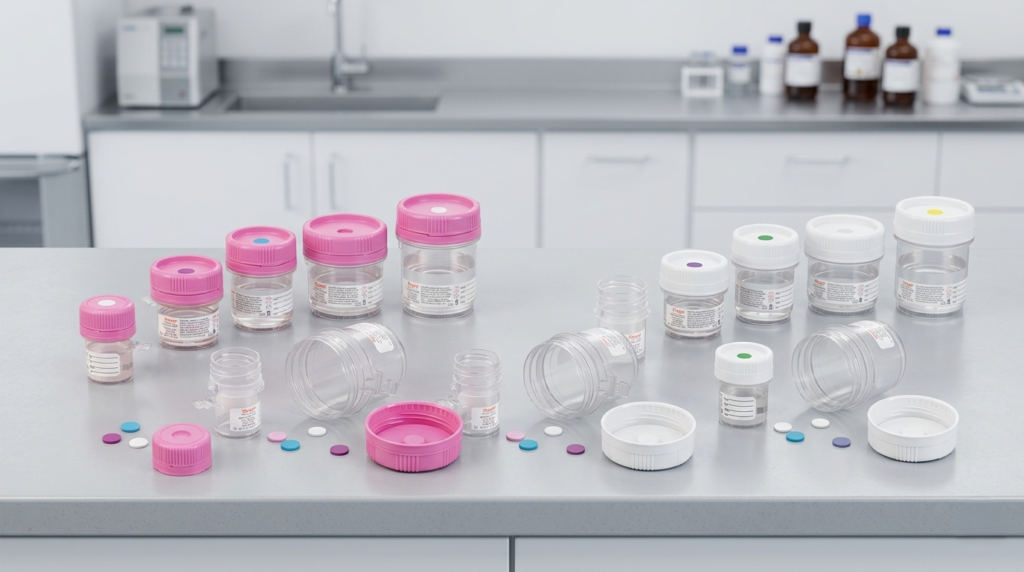
Most people never think much about a specimen container until a doctor asks for a sample. You get handed a small plastic container, follow a few instructions, and assume the hard part is over. But what surprises many people is how easily a sample can get ruined before it even reaches the laboratory.
A lot of medical testing depends on what happens during collection and storage. If the sample gets contaminated, mixed up, exposed to heat, or placed in the wrong container, the lab results can come back inaccurate. In some cases, the patient has to go through the whole process again.
Laboratory staff deal with these problems every single day. One missing label or one poorly sealed lid is enough to delay testing. That is why proper handling matters more than most people realize.
Here are some of the most common mistakes people make when using a specimen container and how you can avoid them.
Using Any Container Available at Home
One mistake people still make is using random containers from home instead of the one provided by the clinic or laboratory. A washed food jar or plastic bottle is not safe for medical samples.
Even after washing a container at home, small bits of residue can still stay behind without you noticing. Something as simple as leftover dish soap or moisture inside the jar can change the sample once it is stored there.
There’s a reason the clinic gives you a container instead of telling you to grab one from your kitchen cabinet. The sample has to go into something that has been kept clean before use. For certain tests, the lab also needs a specific type of container so the sample stays in good condition until it gets tested.
Touching the Inside of the Lid
This happens very often, especially when someone feels nervous or rushed. They open the lid and accidentally touch the inside with their fingers.
The problem is that your hands carry bacteria and natural oils, even right after washing them. Once that contamination enters the container, the laboratory cannot always tell whether the bacteria came from the sample or from outside contact.
In urine testing, for example, contamination is one of the biggest reasons labs reject samples. Healthcare workers usually remind patients to hold the container carefully from the outside only.
Not Closing the Lid Properly
A loose lid creates more trouble than people expect. During transport, the sample can leak into the storage bag or onto other medical materials.
This becomes a serious issue in clinics and hospitals where many samples travel together. A leaking container can contaminate nearby samples and create extra safety risks for staff members handling them.
After collecting the sample, always check the lid carefully. Give it a gentle twist to make sure it is sealed tightly before placing it into the transport bag.
Waiting Too Long Before Delivering the Sample
Some samples need to reach the laboratory quickly. Leaving them sitting around for hours changes their condition.
Urine samples are a good example. If they stay in a warm room for too long, bacteria can multiply inside the container. That changes the chemical balance of the sample and affects the accuracy of the results.
A family clinic worker once shared that patients sometimes leave samples inside their car while running errands before visiting the lab. By the time the sample arrives, the quality has already changed.
If the instructions say to refrigerate the sample or deliver it within a certain time, follow those directions carefully.
Forgetting to Write Important Information
Another common issue is incomplete labelling. A container without proper details creates confusion immediately.
Laboratories process large numbers of samples every day. Staff members need clear information to match every sample with the right patient. Missing names, dates, or collection times can delay testing or force recollection.
Many clinics place labels on the container before collection for this exact reason. If you are collecting the sample at home, double-check everything before leaving for the laboratory.
Collecting Too Much or Too Little
People often assume filling the container completely is helpful, but laboratories only need a certain amount. Overfilling increases the chance of spills and leaks.
Sometimes people barely collect enough for the lab to work with. Then the clinic calls again, asking for another sample, which nobody enjoys dealing with. On the other hand, filling the container all the way to the top is not helpful either. It can spill during transport, and the chances are higher if the lid is not tightened properly.
Most containers already have a line showing how much is needed. Following that mark usually keeps everything simple and avoids extra trips back to the clinic.
Conclusion
A specimen container is one of those things people only notice when something goes wrong. A loose lid, missing label, or sample left sitting too long can turn into a frustrating delay very quickly.
Healthcare workers deal with rejected samples all the time, and many of those problems come from small handling mistakes rather than the test itself. Keeping the container clean, sealing it properly, and getting the sample to the lab on time helps avoid those issues.
It is a simple process once you know what to watch for, and a little extra care during collection saves a lot of trouble later.