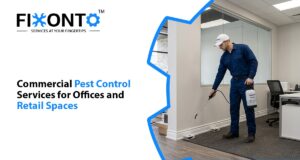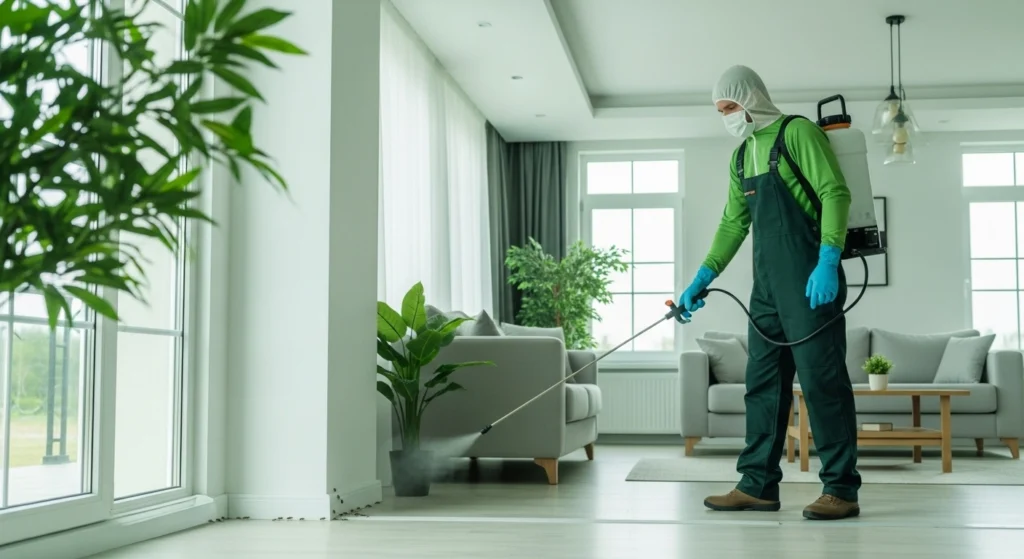
Pest infestations can create serious challenges for businesses, affecting workplace hygiene, customer confidence, property conditions, and daily operations. From cockroaches in restaurant kitchens to rodents in warehouses and termites in commercial buildings, unwanted pests can cause damage and disrupt business activities. Professional commercial pest control Sydney services help businesses identify pest problems, manage existing infestations, and reduce the risk of future activity.
Sydney businesses operate across many industries, including hospitality, retail, healthcare, food processing, warehousing, offices, and property management. Each industry has different pest control requirements depending on its facilities, operating procedures, and the products or services it provides.
A pest problem in a restaurant may create food hygiene concerns, while rodents in a warehouse can damage packaging and stored goods. Offices may experience ant or cockroach activity, particularly where food waste and moisture are present. Commercial property owners may also need to address termites and other pests that threaten building materials.
Effective pest management involves more than treating visible insects or rodents. Businesses need to identify the source of the problem, understand how pests enter the premises, and implement suitable prevention measures.
This guide explains the importance of commercial pest control, common workplace pests, available treatment methods, factors affecting service costs, and how to choose a reliable provider in Sydney. It also covers preventative practices and frequently asked questions to help business owners make informed decisions.
What Is Commercial Pest Control?
Commercial pest control involves inspecting, treating, monitoring, and preventing pest activity in business premises.
Unlike a typical residential treatment, commercial pest management often needs to accommodate larger buildings, specialised facilities, operational schedules, and industry-specific hygiene requirements.
Common services include controlling cockroaches, ants, rodents, spiders, flies, stored-product pests, and other unwanted organisms. Termite inspections and treatments may also be required, depending on the building and the nature of the risk.
A professional commercial pest control Sydney provider assesses the property, identifies pest activity, and recommends a treatment plan based on the business’s requirements.
The plan may include targeted treatments, monitoring stations, baiting, physical exclusion, sanitation recommendations, and scheduled inspections.
For businesses that handle food, store goods, or operate in sensitive environments, pest management may also form part of broader hygiene and risk management procedures.
The goal is to control existing activity while reducing the conditions that allow pests to return.
Why Commercial Pest Control Is Important for Sydney Businesses
Pest management is an important part of maintaining safe, organised, and professional commercial premises.
Protecting Workplace Hygiene
Pests can contaminate surfaces, food, packaging, and stored materials.
Rodents and cockroaches may carry contaminants from drains, waste areas, and other unsuitable environments into business premises.
For food businesses, effective pest management is particularly important because pest activity can affect sanitation procedures and food handling practices.
Regular inspections and appropriate treatment help businesses identify problems before they become more extensive.
Protecting Your Business Reputation
Customers expect businesses to maintain clean and professional facilities.
Visible pests, droppings, damaged packaging, or unpleasant odours can undermine customer confidence and create negative impressions.
In hospitality and retail settings, these problems may influence customer decisions and reviews.
A structured pest management programme helps businesses maintain their premises and respond quickly when pest activity is identified.
Preventing Property and Stock Damage
Some pests can damage building materials, equipment, furniture, stored goods, and electrical components.
Rodents may gnaw on packaging, cables, and insulation. Termites can damage susceptible timber structures, while stored-product pests may contaminate certain food items and raw materials.
Early detection can help limit damage and reduce the need for costly repairs or stock disposal.
Supporting Compliance and Risk Management
Depending on the business and industry, pest management may support relevant hygiene, food safety, workplace, and building maintenance obligations.
Food businesses, healthcare facilities, and certain storage operations may have specific requirements for pest prevention, monitoring, and recordkeeping.
Businesses should confirm the requirements that apply to their operations rather than assuming one pest control programme suits every industry.
Reducing Operational Disruption
A serious infestation can interfere with normal business activities.
Treatment may require restricted access to particular areas, temporary changes to storage arrangements, or additional cleaning.
Routine inspections and early intervention can help businesses address problems before they require more disruptive action.
Common Commercial Pests in Sydney
Different commercial environments attract different pests. Identifying the species and understanding its behaviour helps determine the appropriate treatment.
Cockroaches
Cockroaches are common in restaurants, cafes, commercial kitchens, food storage areas, offices, and multi-unit buildings.
They are attracted to food residues, water, warmth, and sheltered spaces.
Cockroaches often hide behind appliances, inside cupboards, around plumbing, and within wall or floor gaps.
They can contaminate surfaces and food through contact with contaminated environments. Some people may also experience allergic reactions associated with cockroach allergens.
Commercial treatment may involve targeted baiting, suitable insecticides, monitoring, sanitation improvements, and sealing entry points.
Businesses should also clean food preparation areas, manage waste, and repair leaks that provide water sources.
Rodents
Rats and mice can enter commercial premises through gaps around doors, pipes, loading areas, roof spaces, and damaged vents.
Warehouses, restaurants, supermarkets, storage facilities, and office buildings may attract rodents when food, shelter, or suitable nesting materials are available.
Signs include droppings, gnaw marks, damaged packaging, nesting material, and scratching noises.
Commercial rodent management may involve traps, suitable baiting systems, monitoring, and building proofing.
Baiting products must be selected and positioned carefully to reduce risks to employees, customers, pets, and non-target wildlife.
Ants
Ants may enter commercial premises in search of food and water.
They can be found around kitchen benches, staff break rooms, storage areas, windows, and entry points.
Cleaning visible trails may not eliminate the underlying colony. A professional can identify the likely species and determine whether targeted baiting or other control methods are appropriate.
Businesses can help prevent recurring activity by storing food securely, cleaning spills promptly, and sealing suitable gaps.
Flies
Flies can become a problem in food businesses, waste handling areas, hospitality venues, and commercial kitchens.
They may be attracted to exposed food, rubbish, drains, and organic waste.
Effective management includes appropriate waste handling, cleaning, drain maintenance, suitable screening, and targeted control where necessary.
Businesses should identify the fly species when possible because different types may be associated with different breeding sites and control requirements.
Spiders
Spiders may be found in storage areas, warehouses, garages, plant rooms, and less frequently used parts of commercial buildings.
Some species are harmless to people, while others can pose a medical concern.
Reducing clutter, managing insect activity, removing webs where safe, and sealing suitable entry points can help limit spider activity.
Where potentially dangerous spiders are suspected, employees should avoid handling them and seek appropriate professional assistance.
Termites
Termites can damage susceptible timber and other cellulose-containing building materials.
Commercial properties with timber structures, concealed cavities, or moisture problems may require specialist assessment.
Warning signs can include mud leads, damaged timber, discarded wings, or changes in the appearance of wooden components.
A specialist termite inspection is important when activity is suspected. General pest treatments should not be assumed to provide termite protection.
Stored-Product Pests
Stored-product pests can affect food ingredients, packaged products, and other stored materials.
They may include certain beetles, moths, and other insects that develop in or around stored goods.
Businesses should inspect incoming stock, maintain clean storage areas, rotate inventory appropriately, and investigate damaged packaging or unusual insect activity.
Treatment should consider the affected goods, storage conditions, and any requirements relating to food or product safety.
Types of Commercial Pest Control Services
Commercial pest control programmes should reflect the type of property, the pests involved, and the business’s operating requirements.
General Commercial Pest Control
General commercial pest control commonly targets selected pests such as ants, cockroaches, and spiders.
Services may include inspections, targeted treatments, entry-point recommendations, and follow-up visits.
The pests covered vary by provider, so businesses should confirm the exact scope before booking.
Commercial Rodent Control
Rodent control focuses on identifying activity, managing existing populations, and reducing access to the building.
A service may include monitoring stations, traps, suitable baiting systems, inspection of entry points, and recommendations for improving building security.
Food sources, waste management, and structural gaps should also be addressed to reduce the risk of recurring infestations.
Commercial Kitchen Pest Control
Restaurants, cafes, and food preparation facilities need pest management that supports their hygiene procedures and business operations.
Treatment may focus on cockroaches, flies, ants, and rodents.
The provider should understand the operating environment and explain how treatment can be carried out safely around food preparation and storage areas.
Businesses should follow all relevant product instructions and food safety procedures.
Commercial Termite Inspections
Termite inspections assess the building for signs of termite activity and conditions that may increase risk.
Depending on the findings, the provider may recommend monitoring, targeted treatment, or additional investigation.
The appropriate approach depends on the building structure, site conditions, and termite species.
Scheduled Pest Management Programmes
Some businesses benefit from regular inspections rather than relying only on emergency treatments.
A scheduled programme may include monitoring stations, inspection records, trend reviews, and recommendations for corrective action.
The frequency should reflect the property, pest pressure, industry requirements, and previous activity.
Commercial Pest Control for Different Industries
Different business environments require tailored pest management strategies.
Restaurants and Cafes
Food businesses may attract cockroaches, flies, ants, and rodents because of food residues, moisture, and waste.
Preventative measures include regular cleaning, secure food storage, prompt waste removal, and maintenance of drains and entry points.
Pest control should be coordinated with food handling procedures to reduce the risk of contamination.
Warehouses and Distribution Centres
Warehouses may experience rodent activity, stored-product pests, and spiders.
Loading docks, incoming shipments, pallets, stored goods, and structural gaps can create opportunities for pests to enter.
A suitable programme may include monitoring, inspection of incoming stock, waste management, and sealing access points.
Offices and Commercial Buildings
Offices can attract ants, cockroaches, rodents, and occasional spiders.
Kitchenettes, break rooms, waste areas, and utility spaces are common locations to investigate.
Regular cleaning, appropriate food storage, and prompt reporting of pest sightings can help prevent small problems from becoming larger infestations.
Retail Stores and Shopping Centres
Retail premises may need pest management in stockrooms, waste areas, loading zones, food outlets, and public facilities.
Treatment should consider customer access, stock protection, cleaning schedules, and neighbouring tenancies.
For larger sites, coordinated monitoring and reporting can help property managers identify recurring problem areas.
Healthcare and Care Facilities
Healthcare environments require careful consideration of hygiene, vulnerable occupants, and treatment safety.
Pest management should be coordinated with facility procedures and appropriate staff.
The provider should explain the proposed products, treatment locations, access restrictions, and any necessary precautions.
Hotels and Accommodation Businesses
Hotels may experience cockroaches, ants, rodents, bed bugs, and other pests.
Room turnover, laundry operations, deliveries, food service areas, and shared building spaces can all influence pest management requirements.
Inspections and treatment should be planned to minimise disruption to guests and staff while addressing the identified problem.
How to Choose a Commercial Pest Control Company in Sydney
Selecting a suitable provider is important for achieving effective results and maintaining appropriate safety procedures.
Check Qualifications and Licensing
Confirm that the provider and technician hold the qualifications or licences required in New South Wales for the proposed work.
Requirements may vary depending on the treatment method and products used.
Ask about experience with your industry and the specific pest problem affecting your premises.
Request a Site Inspection
A reliable provider should assess the property before recommending a significant treatment programme.
The inspection should identify pest activity, likely entry points, conducive conditions, and areas requiring monitoring.
For complex commercial sites, ask how findings will be documented and communicated.
Understand the Treatment Plan
The provider should explain the pest species, treatment methods, expected results, and any limitations.
Ask about product handling, access restrictions, employee precautions, and the steps needed to prepare the premises.
Businesses should also confirm whether treatment can be scheduled outside normal operating hours if necessary.
Compare Quotations
Request quotations that describe the inspection, treatment coverage, monitoring, follow-up visits, and any additional charges.
The lowest price may not include the same service scope as another provider.
Compare the proposed programme and the expected ongoing support, not only the initial treatment fee.
Review Documentation and Support
Commercial clients may need service reports, monitoring records, treatment details, and recommendations for corrective action.
Ask whether these documents are included and how quickly the provider responds to urgent pest issues.
Clear documentation helps businesses track activity and evaluate whether preventative measures are working.
Factors Affecting Commercial Pest Control Costs in Sydney
Commercial pest control prices vary depending on the property and the work required.
Property Size
Larger premises may require more inspection time, monitoring points, treatment materials, and labour.
Buildings with multiple floors, storage areas, kitchens, or loading facilities may also require additional attention.
Pest Type
Different pests require different methods and levels of investigation.
A routine treatment for selected insects may be less involved than a rodent infestation, bed bug treatment, or specialist termite service.
Infestation Severity
A small, localised problem may be easier to manage than an infestation affecting several rooms or operational areas.
Recurring activity may require additional visits, monitoring, and structural improvements.
Treatment Frequency
Some businesses require a one-off treatment, while others benefit from scheduled inspections and ongoing monitoring.
The appropriate frequency depends on the property, pest history, industry requirements, and surrounding conditions.
Site Access and Operating Hours
Restricted access, specialised equipment, security procedures, and work outside normal business hours may influence the service cost.
Businesses should explain their operating requirements when requesting a quotation.
Preventative Measures for Commercial Premises
Prevention plays an important role in reducing the likelihood of recurring pest activity.
Maintain Clean Facilities
Clean food preparation areas, staff kitchens, storage rooms, and waste areas regularly.
Remove food residues and spills promptly, and avoid leaving rubbish inside the building longer than necessary.
Store Food and Materials Correctly
Keep food in suitable sealed containers and inspect incoming deliveries for signs of pest activity.
Store products off the floor where appropriate and maintain enough space to inspect walls and storage areas.
Seal Entry Points
Inspect doors, windows, service openings, vents, and loading areas for gaps that pests could use to enter.
Repair damaged screens and install suitable door seals where necessary.
Manage Moisture and Drainage
Fix leaks, maintain drainage systems, and address standing water where practical.
Moisture can attract pests and contribute to conditions that support their activity.
Maintain Outdoor Areas
Keep waste storage areas organised, remove unnecessary clutter, and manage vegetation near the building.
Ensure that bins are closed and surrounding areas are kept clean.
Train Employees
Employees should know how to report pest sightings and recognise signs such as droppings, damaged packaging, insect activity, or gnaw marks.
Prompt reporting allows businesses to investigate problems before they spread.
Frequently Asked Questions
What Does Commercial Pest Control in Sydney Include?
Commercial pest control may include inspections, treatment, monitoring, and prevention for pests such as cockroaches, ants, rodents, spiders, and flies. Specialist services such as termite treatment may be separate.
How Much Does Commercial Pest Control Cost in Sydney?
Costs depend on property size, pest type, infestation severity, treatment method, access, and follow-up requirements. A site inspection and written quotation can provide a more accurate estimate.
How Often Should a Business Arrange Pest Control?
The appropriate frequency depends on the industry, property conditions, previous pest activity, and applicable requirements. Businesses with food handling or storage operations may need a more structured monitoring programme.
Is Commercial Pest Control Safe for Employees and Customers?
Safety depends on the products and methods used, application procedures, and precautions followed. The provider should explain access restrictions, handling requirements, ventilation, and re-entry instructions where applicable.
Can Pest Control Help Restaurants Meet Hygiene Requirements?
Pest management can support a restaurant’s broader hygiene and food safety procedures. Businesses should also maintain cleaning, storage, waste management, and monitoring practices appropriate to their operations.
What Is Included in a Commercial Pest Management Programme?
A programme may include scheduled inspections, monitoring devices, targeted treatments, service reports, and recommendations for reducing pest access. The exact scope depends on the provider and the business’s needs.
How Can Warehouses Prevent Rodent Infestations?
Warehouses can improve food and waste management, inspect incoming goods, seal structural gaps, maintain clean loading areas, and use suitable monitoring and control measures.
Does General Commercial Pest Control Include Termites?
Not necessarily. Termite inspection and treatment are often specialist services. Confirm whether termite-related work is included before purchasing a commercial pest control package.
Can Commercial Pest Control Be Scheduled After Business Hours?
Many providers may offer appointments outside standard business hours, depending on availability and the treatment required. Discuss operating hours, access arrangements, and safety procedures when requesting a quotation.
How Do I Choose the Right Commercial Pest Control Provider?
Compare qualifications, relevant industry experience, inspection methods, treatment plans, pricing, documentation, and follow-up support. Choose a provider that explains the proposed service clearly and addresses your property’s specific needs.
Conclusion
Professional commercial pest control Sydney services help businesses manage infestations, protect premises and stock, support hygiene procedures, and reduce the risk of recurring pest problems.
From restaurants and warehouses to offices, retail stores, hotels, and healthcare facilities, every commercial environment has different pest management requirements. Effective control begins with accurate pest identification, a suitable treatment plan, and practical measures that address the conditions attracting pests.
When selecting a provider, compare qualifications, inspection procedures, treatment methods, service documentation, and ongoing support. A well-designed pest management programme should also include good sanitation, secure storage, moisture control, and building maintenance.
By combining professional treatment with consistent prevention, Sydney businesses can maintain cleaner premises, reduce disruption, and support a safer and more professional environment for employees and customers.