Well-maintained outdoor spaces contribute to the appearance, usability, and long-term condition of commercial properties. Bare soil around new buildings, uneven grass coverage across business parks, and exposed ground following construction can create maintenance concerns for property managers. Establishing vegetation across a large area can take considerable time, especially when soil conditions vary or heavy equipment has disturbed the ground. Commercial Hydroseeding Services provide a practical way to distribute grass seed, water, and protective mulch across prepared soil. With careful planning and appropriate maintenance, this method can help businesses establish vegetation across extensive properties while managing landscaping costs.
Understanding Commercial Hydroseeding
Hydroseeding involves applying a mixture of water, grass seed, mulch, and other selected materials through specialized spraying equipment. The mulch helps retain moisture near the seed and provides some protection against wind and light surface erosion. Depending on the site, fertilizer, soil amendments, or a binding agent may also be included to support the application. Once suitable growing conditions are present, the seeds begin to germinate and develop roots in the prepared ground.
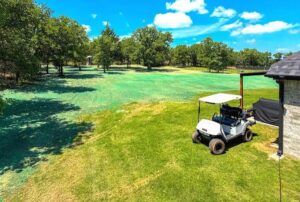
This method can be useful for commercial properties because it allows large areas to be covered without placing individual rolls of sod. Office campuses, industrial facilities, new developments, and open parcels may all require vegetation across substantial sections of land. The application can be adjusted to suit the site’s size, slope, soil condition, and intended use. However, hydroseeding does not eliminate the need for preparation or aftercare. Grass still requires suitable growing conditions, and the quality of the finished landscape depends on the entire establishment process.
Preparing Commercial Land Before Application
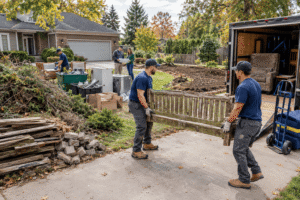
The condition of the ground plays a major role in how successfully grass develops. Construction work can compact soil, remove topsoil, and leave behind debris that interferes with root growth. Poor grading may also create low spots where water collects or slopes where rainfall carries loose material away. Before application, the site should be inspected to identify these issues and determine which preparation steps are necessary.
Commercial Hydroseeding Services are more likely to produce consistent coverage when the soil has been prepared properly. Depending on the property, preparation may involve removing rocks and construction waste, loosening compacted ground, improving the surface grade, or adding suitable topsoil. Drainage should be evaluated around buildings, parking areas, walkways, and landscaped slopes. Correcting these concerns before seeding can reduce the risk of washouts, uneven growth, and additional repair work. Property managers should also establish who will handle preparation so that important tasks are not overlooked between construction and landscaping.
Where Commercial Hydroseeding Can Be Used
Commercial properties serve different purposes, so the planting method and grass selection should reflect how each area will be used. Some locations need attractive lawns near building entrances, while others require vegetation to cover exposed ground after construction. Large sites often benefit from application methods that can distribute seed efficiently across broad sections of land.
Common applications include:
- Office campuses: Establishing grass around buildings, pedestrian routes, and shared outdoor spaces.
- Industrial facilities: Covering suitable open areas surrounding warehouses and operational buildings.
- New developments: Restoring vegetation after grading and construction work has been completed.
- Roadside areas: Supporting grass growth along suitable property boundaries and embankments.
- Large open parcels: Establishing vegetation across extensive areas where manual seeding would require considerable labor.
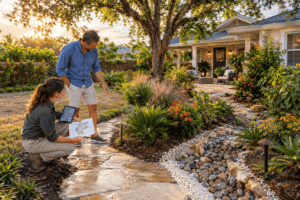
Each application requires an assessment of soil conditions, drainage, sunlight, and future maintenance needs. Areas that receive frequent foot traffic may need durable grass varieties, while ornamental sections may prioritize appearance. Slopes and drainage channels can require additional erosion-control measures rather than a standard seed-and-mulch application alone.
Selecting Grass for North Texas Conditions
North Texas weather presents several considerations for commercial landscaping. Hot summers, variable rainfall, and occasional heavy storms can influence germination and early root development. Warm-season grasses are common in the region because many tolerate summer heat once established. Bermuda grass may be suitable for sunny, open spaces, while other varieties may be more appropriate for shaded locations or areas with different maintenance requirements.
Before selecting a seed mixture, property managers should consider the property’s soil composition, irrigation availability, mowing schedule, and expected level of use. Commercial Hydroseeding Services should be planned around these practical factors rather than applying the same grass mixture everywhere. A contractor can help assess the site and explain the available options, but successful growth still depends on preparation, weather, and consistent care. Choosing a suitable variety at the beginning helps establish realistic expectations for the appearance and maintenance of the finished landscape.
Managing Irrigation and Ongoing Maintenance
After application, new grass needs appropriate moisture to germinate. The soil surface should generally remain moist without becoming saturated, since excessive watering can move the seed mixture or create runoff. The watering schedule depends on temperature, rainfall, soil drainage, and the grass variety. Commercial property managers should confirm that irrigation is available and operational before scheduling the application.
Traffic restrictions are equally important during early growth. Vehicles, maintenance equipment, and frequent foot traffic can damage the surface before roots develop sufficiently. Following heavy rainfall, the site should be checked for exposed soil, displaced mulch, and signs of erosion. Mowing should begin only when the grass has reached an appropriate height and the ground can support equipment without damage.
Fox Hydroseeding works with residential and commercial properties in North Texas, where soil conditions and preparation requirements can vary from site to site. Businesses planning a project should discuss maintenance responsibilities with their selected provider and establish a realistic schedule for watering, inspections, and mowing. Consistent attention during the early stages can help prevent avoidable setbacks.
Budgeting for Commercial Landscaping Projects
The total cost of establishing grass depends on the area being covered, the condition of the soil, equipment access, seed selection, and the amount of preparation required. A level site with suitable soil may need less work than a recently developed property with compacted ground, drainage problems, or steep slopes. Property managers should request a detailed estimate that identifies the work and materials included.
Commercial Hydroseeding Services can be a cost-effective alternative to sod across many large areas, although the right choice depends on the project’s schedule and intended use. When comparing estimates, ask whether grading, soil amendments, application, and cleanup are included. It is also useful to clarify watering requirements, expected germination periods, and any follow-up services. Comparing proposals by their full scope rather than their initial price helps businesses understand the investment required and avoid unexpected costs.
Long-term maintenance should also be included in the budget. Depending on the grass variety and site conditions, the property may need regular mowing, seasonal fertilization, irrigation adjustments, and occasional repairs to thin areas. Planning for these responsibilities helps maintain vegetation and supports the property’s long-term landscaping goals.
Conclusion
Establishing grass across a commercial property requires thoughtful preparation, suitable seed selection, and consistent maintenance. Hydroseeding offers an efficient way to cover extensive areas, but the outcome depends on soil quality, drainage, weather, and care after application. Businesses that assess these factors before beginning a project can make more informed landscaping decisions. By treating grass establishment as an ongoing process rather than a single application, property managers can create healthier, more attractive outdoor spaces that remain practical to maintain over time.