Personal protective equipment (PPE) plays an essential role in protecting workers, maintaining workplace hygiene, and reducing exposure to potential hazards. From construction sites and warehouses to healthcare facilities, restaurants, and cleaning companies, businesses across Sydney rely on suitable PPE to support safe working environments.
However, purchasing protective equipment for employees can become expensive, particularly for businesses that need regular supplies or manage multiple work locations. Finding Cheap PPE supplies Sydney businesses can rely on is therefore an important part of managing workplace expenses without compromising product quality or safety.
Affordable PPE should not simply mean choosing the lowest-priced products. Businesses need equipment that meets the requirements of their intended applications, provides appropriate protection, and complies with relevant Australian standards and workplace safety regulations.
Whether you operate a small business, manage a construction company, or oversee procurement for a large organisation, selecting the right PPE supplier can help control purchasing costs and maintain a consistent supply of essential safety products.
This guide explains the different types of PPE available, where businesses use them, how to find affordable supplies in Sydney, and what to consider before placing an order. It also covers bulk purchasing, supplier selection, workplace compliance, and frequently asked questions.
What Are PPE Supplies?
Personal protective equipment, commonly known as PPE, refers to clothing, equipment, and accessories designed to protect people from workplace health and safety risks.
Depending on the task, PPE can help reduce exposure to physical, chemical, biological, and environmental hazards.
Common PPE products include:
- Disposable gloves.
- Face masks and respirators.
- Safety glasses and goggles.
- Protective clothing.
- Disposable coveralls.
- Safety footwear.
- Hearing protection.
- Face shields.
- Hard hats and helmets.
- High-visibility clothing.
Different products offer different types of protection. For example, safety glasses protect the eyes from certain particles, while suitable respirators help reduce exposure to airborne contaminants.
Businesses must identify workplace hazards before selecting protective equipment. Not every PPE product is suitable for every activity, and some tasks require specialised equipment.
Why Do Businesses Need Cheap PPE Supplies in Sydney?
Businesses across Sydney need access to affordable protective equipment to support employee safety and maintain everyday operations.
From small commercial operations to large industrial facilities, PPE purchasing is an ongoing business requirement.
Here are some reasons why finding cost-effective PPE matters.
1. Managing Workplace Expenses
Businesses must balance safety requirements with operating budgets.
Purchasing PPE for a large workforce can involve significant recurring expenses, especially when disposable products such as gloves, masks, and protective clothing need frequent replacement.
Finding affordable supplies can help businesses manage these costs while ensuring employees have access to suitable equipment.
However, savings should never come at the expense of required protection or product compliance.
2. Maintaining Consistent Stock Levels
Running out of essential protective equipment can interrupt workplace activities.
Construction companies may need replacement safety gear, while cleaning businesses require regular supplies of gloves and protective clothing.
Working with a dependable PPE supplier helps businesses maintain sufficient inventory and reduce the risk of unexpected shortages.
3. Supporting Workplace Safety
Employers have responsibilities under Australian workplace health and safety laws to manage risks and provide appropriate protection.
Suitable PPE can help control risks that cannot be adequately eliminated through other control measures.
Selecting affordable products that meet relevant safety requirements allows businesses to manage procurement costs while supporting workplace safety.
4. Meeting Different Industry Requirements
Different industries have different protective equipment needs.
For example:
- Construction workers may require helmets, safety boots, gloves, and high-visibility clothing.
- Healthcare workers may need medical gloves, gowns, masks, and eye protection.
- Cleaning professionals may require gloves, protective clothing, and suitable respiratory protection.
- Food businesses may need food-contact suitable gloves and hygiene products.
- Warehouse employees may require safety footwear, protective eyewear, and hearing protection.
A supplier offering a broad PPE range can make purchasing easier for businesses with multiple requirements.
Types of Affordable PPE Supplies Available in Sydney
Businesses looking for Cheap PPE supplies Sydney providers offer can choose from a wide range of protective products.
Understanding the different categories helps organisations purchase equipment that matches their workplace requirements.
1. Disposable Gloves
Disposable gloves are among the most frequently purchased PPE products.
They provide a barrier between workers’ hands and materials being handled during suitable tasks.
Common options include:
- Nitrile gloves: Suitable for many healthcare, cleaning, laboratory, and industrial applications.
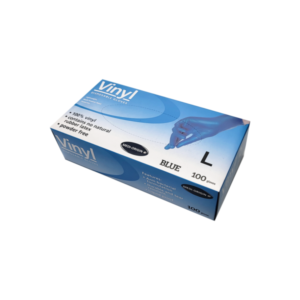
- Vinyl gloves: An economical option for selected low-risk activities and food handling when approved for food contact.
- Latex gloves: Offer flexibility and tactile sensitivity but may cause allergic reactions in some individuals.
- Polyethylene gloves: Commonly used for basic food handling and other short-duration activities.
When purchasing disposable gloves, consider material quality, thickness, sizing, and intended use. Businesses handling chemicals should also check the manufacturer’s chemical compatibility information.
2. Face Masks and Respirators
Face masks and respirators are important products for workplaces where respiratory protection or hygiene measures are required.
Common options include surgical masks, disposable face masks, and filtering facepiece respirators such as N95 and KN95 products.
However, these products are not interchangeable.
Surgical masks primarily provide barrier protection, while properly selected and fitted respirators are designed to reduce exposure to airborne particles.
Businesses should select respiratory protection based on workplace hazards and applicable safety requirements.
3. Safety Glasses and Protective Goggles
Eye protection is essential in workplaces where employees may encounter flying particles, dust, chemical splashes, or other eye hazards.
Safety glasses and goggles are commonly used in construction, manufacturing, laboratories, workshops, and industrial environments.
When purchasing affordable eye protection, consider:
- Lens impact resistance.
- Side protection.
- Comfort and fit.
- Anti-fog features.
- Compatibility with other PPE.
- Applicable Australian standards.
For example, eye protection should be selected according to the specific workplace hazard rather than appearance or price alone.
4. Protective Clothing and Disposable Coveralls
Protective clothing helps prevent workers’ everyday clothing and skin from being exposed to certain workplace contaminants.
Available products include disposable gowns, aprons, coveralls, protective suits, and other specialist garments.
These products are commonly used in healthcare, cleaning, food processing, laboratories, and selected industrial environments.
The required clothing depends on the exposure risk. Disposable coveralls designed for general dust protection should not automatically be treated as suitable protection against hazardous chemicals or biological substances.
5. Safety Footwear
Safety footwear is important in workplaces where employees may be exposed to falling objects, sharp materials, slippery surfaces, or other foot hazards.
Common options include safety boots, protective shoes, and specialised footwear.
When selecting affordable safety footwear, businesses should consider:
- Toe protection.
- Slip resistance.
- Sole construction.
- Comfort for extended shifts.
- Workplace-specific requirements.
- Applicable product standards.
Choosing comfortable, suitable footwear can also help employees work more effectively throughout the day.
6. High-Visibility Clothing
High-visibility clothing helps make workers more noticeable in environments where visibility is important.
It is commonly used in construction, roadwork, warehousing, logistics, and transport operations.
Products include reflective safety vests, high-visibility shirts, jackets, and trousers.
Businesses should select garments suitable for their working conditions, lighting environments, and relevant Australian requirements.
7. Hearing Protection
Employees working around loud machinery, industrial equipment, and construction activities may require hearing protection.
Common products include disposable earplugs, reusable earplugs, and protective earmuffs.
The appropriate option depends on workplace noise levels, exposure duration, and the required level of noise reduction.
Employers should assess noise hazards rather than choosing hearing protection based solely on price.
Which Industries Need Affordable PPE Supplies in Sydney?
Sydney has businesses operating across numerous industries, each with different protective equipment requirements.
Finding a supplier that understands these requirements can make purchasing and stock management easier.
1. Construction and Building
Construction workers regularly encounter hazards such as falling objects, dust, noise, sharp materials, and moving equipment.
Common PPE requirements include:
- Hard hats.
- Safety boots.
- High-visibility clothing.
- Protective gloves.
- Safety glasses.
- Hearing protection.
- Suitable respiratory protection.
Construction businesses often need to purchase PPE for multiple employees and job sites.
Buying suitable products in bulk can help manage purchasing costs while maintaining sufficient stock.
2. Healthcare and Medical Facilities
Hospitals, medical centres, dental practices, and other healthcare providers require appropriate protective equipment for different patient-care activities.
Common products include medical examination gloves, surgical masks, gowns, protective eyewear, and suitable respirators.
Healthcare facilities should ensure products meet the relevant Australian regulatory and medical device requirements.
Medical examination gloves, for example, should not be confused with general-purpose disposable gloves.
3. Cleaning and Commercial Maintenance
Cleaning companies use PPE to protect employees during routine cleaning and maintenance activities.
Common requirements include disposable gloves, protective clothing, safety footwear, eye protection, and suitable respiratory equipment.
The correct equipment depends on the cleaning products, surfaces, and potential hazards involved.
Businesses handling concentrated chemicals should consult product safety data sheets and select compatible protective equipment.
4. Food Processing and Hospitality
Restaurants, catering companies, commercial kitchens, and food processing facilities require appropriate hygiene supplies.
Disposable gloves, aprons, protective clothing, and hair coverings are commonly used.
Businesses should ensure that products intended for direct food contact meet applicable requirements.
It is also important to remember that gloves do not replace proper handwashing or food hygiene procedures.
5. Warehousing and Manufacturing
Warehouses and manufacturing facilities may expose workers to machinery, heavy objects, dust, noise, and handling hazards.
Depending on the workplace, employees may need safety footwear, gloves, eye protection, hearing protection, high-visibility clothing, and respiratory equipment.
A workplace risk assessment should guide product selection.
How to Find Cheap PPE Supplies Sydney Businesses Can Depend On
Finding affordable PPE is relatively straightforward, but identifying a supplier that offers consistent quality and reliable service requires careful consideration.
Here are some practical factors to evaluate before purchasing.
1. Compare Prices From Multiple Suppliers
Start by requesting quotations from several PPE suppliers in Sydney.
Compare the prices of products with matching specifications rather than comparing items that offer different levels of protection.
Consider:
- Price per unit.
- Quantity per carton.
- Minimum order requirements.
- Delivery charges.
- Bulk purchasing discounts.
- Available payment terms.
This approach helps you identify genuine savings instead of choosing a product simply because its advertised price is lower.
2. Check Product Quality and Compliance
Affordable PPE should still meet the requirements of its intended application.
Before purchasing, check product specifications, manufacturer details, relevant testing information, and applicable Australian standards.
Depending on the product, relevant standards may include:
- AS/NZS 1716 for respiratory protective devices.
- AS/NZS 1337.1 for personal eye protection.
- AS/NZS 1801 for occupational protective helmets.
- AS/NZS 2210.3 for safety footwear.
Not every PPE product uses the same certification system. Ask suppliers for documentation that applies to the exact model being purchased.
3. Choose a Supplier With a Wide Product Range
Working with a supplier that offers different PPE categories can simplify procurement.
Instead of purchasing gloves, masks, safety glasses, and protective clothing from several vendors, businesses may be able to source multiple products through one supplier.
This can reduce administrative work and make inventory management more convenient.
4. Look for Bulk Purchasing Discounts
Businesses with regular PPE requirements should ask about wholesale pricing.
Ordering larger quantities may reduce the cost per unit and help maintain consistent inventory.
However, calculate your actual usage before placing a large order.
Purchasing excessive quantities can create storage problems and lead to unnecessary waste, particularly for products with manufacturer-recommended shelf lives.
5. Check Delivery Across Sydney
Delivery reliability is important when businesses operate across different Sydney locations.
Before selecting a supplier, ask about delivery areas, estimated delivery times, shipping costs, and order processing procedures.
If your organisation has multiple sites, check whether the supplier can coordinate deliveries to different addresses.
6. Request Samples When Possible
Testing samples is particularly useful when purchasing gloves, safety glasses, footwear, and protective clothing.
Employees can evaluate comfort, sizing, usability, and suitability before the business commits to a large order.
This can reduce the risk of buying products that workers find uncomfortable or unsuitable.
How Can Businesses Reduce PPE Purchasing Costs?
Finding affordable protective equipment is not just about choosing a cheaper supplier. Businesses can also improve purchasing decisions through better planning.
Establish a PPE Budget
Calculate how much your business spends on protective equipment each month.
Separate recurring purchases, such as disposable gloves and masks, from longer-term products, such as safety helmets and protective footwear.
This makes it easier to identify opportunities for savings.
Monitor Stock Consumption
Track how quickly different PPE products are used.
For example, a cleaning company may use disposable gloves more frequently than safety helmets.
Understanding consumption patterns helps purchasing teams order suitable quantities.
Standardise Suitable Products
Where workplace requirements allow, standardising product specifications can simplify purchasing.
For example, using consistent glove sizes and approved product models across departments may make inventory management easier.
However, standardisation should never result in employees receiving unsuitable equipment.
Avoid Purchasing Based on Price Alone
The cheapest product may not always provide the best overall value.
Poor-quality PPE may need more frequent replacement or fail to provide the required protection.
Businesses should consider product lifespan, performance, compliance, and suitability alongside purchasing costs.
Build a Long-Term Supplier Relationship
Regular purchasing relationships may provide access to volume pricing, predictable deliveries, and more convenient ordering arrangements.
A supplier familiar with your business requirements may also help identify suitable alternatives when products are unavailable.
Understanding Australian PPE Standards and Workplace Safety Requirements
Businesses purchasing PPE in Sydney should understand that protective equipment must be suitable for the hazards employees may encounter.
In New South Wales, workplace health and safety responsibilities are governed by the Work Health and Safety Act 2011 and associated regulations.
SafeWork NSW provides guidance to help businesses identify workplace risks and manage their responsibilities.
PPE is generally considered part of the hierarchy of controls. This means businesses should first consider ways to eliminate hazards or reduce risks through other control measures before relying on PPE.
When PPE is necessary, employers should ensure that:
- Equipment is appropriate for identified workplace hazards.
- Products meet applicable Australian standards where required.
- Employees receive instructions on correct use.
- Equipment is maintained and replaced when necessary.
- Workers understand the limitations of the protective equipment.
- Appropriate training and supervision are provided.
Businesses should also consider the specific requirements of their industry.
For example, respiratory protection, eye protection, safety footwear, and protective clothing may each have different standards and performance requirements.
Choosing affordable PPE does not remove an employer’s responsibility to provide suitable workplace protection.
Why Buy PPE Supplies in Bulk?
Bulk purchasing can be a practical option for Sydney businesses that regularly use protective equipment.
Whether you operate a construction company, healthcare facility, cleaning service, or manufacturing business, maintaining an organised PPE supply can improve purchasing efficiency.
Lower Cost Per Unit
Wholesale purchasing may reduce the cost per item compared with buying smaller quantities.
This is particularly useful for frequently replaced products such as disposable gloves, masks, and protective clothing.
Fewer Reordering Requirements
Ordering larger quantities can reduce the number of purchasing transactions required throughout the year.
This saves administrative time and allows procurement teams to focus on other responsibilities.
Better Stock Management
Maintaining sufficient PPE inventory helps businesses prepare for unexpected demand and avoid interruptions caused by product shortages.
Consistent Product Availability
Working with a dependable supplier can make it easier to maintain consistent product specifications across different departments and locations.
Convenient Business Procurement
Businesses may be able to combine different PPE products into larger orders, simplifying purchasing and delivery arrangements.
However, bulk quantities should always be based on realistic consumption estimates and suitable storage capacity.
What Should You Look for in a Sydney PPE Supplier?
Choosing a suitable local supplier can make a significant difference to purchasing efficiency.
Before placing an order, consider these important factors.
Product Range: Look for a supplier offering gloves, masks, safety glasses, protective clothing, footwear, and other relevant PPE categories.
Competitive Pricing: Compare quotations and check whether volume discounts are available.
Quality Documentation: Ask for product specifications and relevant compliance information.
Stock Availability: Choose a supplier that can meet your regular purchasing requirements.
Delivery Options: Check whether the supplier delivers to your business location across Sydney and surrounding areas.
Customer Support: A knowledgeable supplier should be able to answer questions about product specifications, sizing, and intended applications.
Flexible Ordering: Businesses with changing requirements may benefit from suppliers that offer different order quantities and recurring purchasing arrangements.
A supplier that offers competitive pricing alongside dependable service can provide better long-term value than one that focuses exclusively on low prices.
Frequently Asked Questions About Cheap PPE Supplies Sydney
1. Where can I find cheap PPE supplies in Sydney?
You can find affordable PPE through local safety equipment suppliers, wholesale distributors, and specialist workplace protection retailers in Sydney. Compare product specifications, pricing, delivery options, and compliance documentation before choosing a supplier.
2. What PPE products do Sydney businesses commonly purchase?
Common PPE products include disposable gloves, face masks, respirators, safety glasses, protective clothing, safety footwear, hard hats, high-visibility vests, and hearing protection. The products required depend on the industry and workplace hazards.
3. Can I buy PPE supplies in bulk in Sydney?
Yes. Many PPE suppliers offer bulk purchasing options for businesses, contractors, healthcare providers, and commercial organisations. Bulk orders may provide lower unit pricing and simplify inventory management.
4. Are cheap PPE supplies suitable for workplace use?
Affordable PPE can be suitable for workplace use when it meets the relevant safety requirements and provides appropriate protection for the intended application. Businesses should never choose equipment based on price alone.
5. What is the most commonly purchased PPE?
Disposable gloves, face masks, safety glasses, protective clothing, and safety footwear are among the commonly purchased PPE products. Purchasing requirements vary depending on the workplace and industry.
6. Which disposable gloves are best for businesses?
Nitrile gloves are popular for applications requiring durability and flexibility. Vinyl gloves are generally economical for suitable low-risk tasks, while latex gloves offer flexibility and tactile sensitivity. The best option depends on the activity and potential exposure risks.
7. Do PPE supplies need to meet Australian standards?
PPE must meet the applicable legal and safety requirements for its intended use. Some products are covered by specific Australian or joint Australian/New Zealand standards. Businesses should verify the relevant requirements and product documentation before purchasing.
8. Can small businesses purchase wholesale PPE?
Yes. Many suppliers offer different order quantities, allowing small businesses to purchase products in manageable amounts. Minimum order requirements and wholesale pricing vary between suppliers.
9. How can I reduce my business’s PPE expenses?
Compare supplier quotations, purchase regularly used products in suitable quantities, monitor stock consumption, and avoid unnecessary purchases. Selecting equipment appropriate for each task can also prevent waste and unnecessary replacement costs.
10. What PPE is required for construction workers in Sydney?
Construction workers may require hard hats, safety boots, high-visibility clothing, protective gloves, safety glasses, hearing protection, and respiratory protection. The exact requirements depend on the hazards identified at each worksite.
11. Do PPE suppliers in Sydney deliver to business addresses?
Many suppliers offer business deliveries across Sydney, although delivery areas, charges, and estimated timeframes vary. Confirm delivery arrangements before placing an order, especially when purchasing large quantities.
12. How often should businesses replace PPE?
Replacement frequency depends on the product, manufacturer’s instructions, workplace exposure, and condition of the equipment. Disposable products should be replaced after their intended use, while reusable PPE should be inspected and maintained according to manufacturer recommendations.
13. What is the difference between PPE and safety equipment?
PPE is equipment worn or used by individuals to reduce exposure to workplace hazards. Safety equipment is a broader term that also includes protective barriers, machine guards, safety signs, and other workplace safety systems.
14. Why is product quality important when buying cheap PPE?
Product quality affects comfort, durability, and protective performance. Equipment that does not meet the required specifications may fail to provide suitable protection. Businesses should verify product information and compliance before making purchasing decisions.
15. How do I choose the right PPE supplier for my business?
Look for a supplier with a suitable product range, competitive pricing, relevant quality documentation, reliable delivery, and responsive customer service. Consider requesting samples and comparing quotations before establishing a regular purchasing arrangement.
Final Thoughts
Finding Cheap PPE supplies Sydney businesses can depend on requires balancing affordability, product quality, and workplace safety.
Whether your organisation operates in construction, healthcare, hospitality, cleaning, manufacturing, or warehousing, having access to suitable protective equipment is essential for managing workplace risks.
Purchasing from a reliable supplier can help businesses maintain consistent stock, manage procurement expenses, and simplify regular ordering.
Before making a decision, compare product specifications, check relevant Australian standards, evaluate supplier reliability, and consider bulk purchasing where appropriate.
Remember that affordable PPE should never mean compromising on protection. The right purchasing strategy is to choose suitable products that meet workplace requirements while providing long-term value for your business.