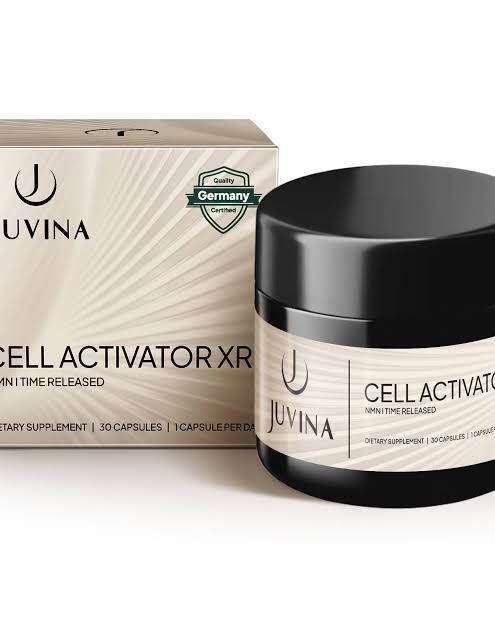
Healthy skin is influenced by more than the products applied to its surface. Daily habits, environmental exposure, hydration, nutrition, and the skin’s natural renewal process all contribute to its appearance and condition. As skincare continues to evolve, interest has grown in products and approaches designed to support skin health at a cellular level. One term that has gained attention in this space is Cell Activator.
Although the term may sound technical, understanding it starts with a simple question: how can daily skincare help the skin maintain its natural functions? From supporting the skin barrier to improving the appearance of dryness and uneven texture, an effective skincare routine focuses on consistency, suitable ingredients, and realistic expectations.
Juvina Bioscience is a brand associated with the Cell Activator concept. For consumers exploring this approach, it is important to understand what cell-supporting skincare may involve, how it fits into everyday routines, and why evidence-based expectations matter when choosing skincare products.
What Is a Cell Activator in Skincare?
A Cell Activator is a term used to describe a skincare product or formulation intended to support the skin’s natural cellular functions. Depending on the specific product, this may involve ingredients designed to improve hydration, support the skin barrier, or help maintain a smoother and healthier-looking complexion.
However, the term does not have one universally accepted scientific definition in cosmetics. Its meaning depends on the formulation, the ingredients used, and the claims supported by evidence. Consumers should therefore examine the product’s ingredient list and intended use rather than relying on the name alone.
Understanding the Skin at a Cellular Level
The skin is the body’s largest organ and serves as a protective barrier against environmental irritants, microorganisms, and excessive water loss. Its outermost layer, the stratum corneum, contains flattened skin cells surrounded by lipids that help retain moisture and maintain barrier function.
Below the surface, different types of cells contribute to skin structure, renewal, and repair. These processes naturally change with age and can be influenced by sunlight, pollution, hormonal changes, and lifestyle habits.
Skincare products cannot automatically reverse these changes. However, well-formulated products can help maintain hydration, protect the skin barrier, and improve the appearance of certain visible concerns.
How Can Cell Activator Products Support Daily Skin Health?
The potential benefits of a Cell Activator product depend on its ingredients and formulation. Products containing appropriate moisturising and barrier-supporting ingredients may help skin feel more comfortable, appear smoother, and retain moisture more effectively.
Several aspects of everyday skin support are worth understanding.
1. Supporting Skin Hydration
Hydration plays an important role in keeping the skin soft, flexible, and comfortable. When the skin loses too much moisture, it may appear dull, feel tight, or develop rough patches.
Ingredients commonly used to support hydration include:
- Glycerin: A humectant that attracts water and helps maintain moisture in the outer skin layers.
- Hyaluronic acid: A water-binding ingredient that can help improve the appearance of skin hydration.
- Ceramides: Lipids that help support the skin barrier and reduce moisture loss.
- Emollients: Ingredients that soften the skin and help improve its surface texture.
A Cell Activator formulation containing suitable moisturising ingredients may contribute to these benefits. The actual results depend on the complete formula and how it is used.
2. Maintaining the Skin Barrier
The skin barrier helps prevent excessive water loss while limiting exposure to external irritants. When this protective layer is compromised, the skin may become dry, sensitive, flaky, or uncomfortable.
Daily habits can help maintain barrier function. Using a gentle cleanser, applying a suitable moisturiser, and avoiding excessive exfoliation are useful starting points.
Products formulated with barrier-supporting ingredients may complement these habits. However, people experiencing persistent redness, burning, itching, or inflammation should seek professional advice rather than relying on cosmetic products alone.
3. Improving the Appearance of Skin Texture
Uneven texture can result from dryness, accumulated dead skin cells, sun exposure, acne-related changes, and natural ageing. Hydrating skincare products may temporarily make fine lines appear less noticeable by improving the skin’s moisture levels.
Other ingredients, such as retinoids and certain exfoliating acids, may help address specific texture concerns when appropriately selected and used. These ingredients can also cause irritation, so introducing them gradually and following product instructions is important.
It is worth distinguishing between improving the skin’s appearance and changing its underlying biological structure. A product should not be assumed to stimulate cell regeneration or reverse ageing simply because it is described as a Cell Activator.
Who May Benefit From Cell-Supporting Skincare?
Cell-supporting skincare may appeal to adults who want to maintain hydration, improve the appearance of dry or tired-looking skin, and establish a consistent daily routine. Suitability depends on the formulation, skin type, existing concerns, and individual sensitivities.
Different skin types may require different approaches.
- Dry skin: Often benefits from richer moisturisers containing humectants, emollients, and barrier-supporting lipids.
- Oily skin: May respond better to lightweight, non-comedogenic formulations that provide moisture without an excessively heavy finish.
- Sensitive skin: Generally benefits from simple formulas with fewer potential irritants and no unnecessary fragrance.
- Mature skin: May benefit from moisturisers, daily sun protection, and evidence-supported ingredients selected for concerns such as dryness, uneven tone, and fine lines.
- Combination skin: May require different levels of moisturisation across the face.
These are general guidelines rather than strict rules. A product suitable for one person may not suit another, even when both have similar skin types.
Before adding a new product, review its directions and ingredients. People with known allergies, persistent skin conditions, or a history of reactions to skincare products may benefit from advice from a qualified dermatologist.
How to Include a Cell Activator in Your Daily Routine
A skincare product is most useful when it fits into a routine that supports the skin’s basic needs. Introducing several unfamiliar products at once can make it difficult to identify which one is helping or causing irritation.
A Simple Morning Routine
A practical morning routine can include the following steps:
- Cleanse gently. Use a cleanser appropriate for your skin type. If your skin is very dry or sensitive, avoid cleansing methods that leave it feeling tight.
- Apply your chosen skincare product. If your Cell Activator product is designed for morning use, follow the manufacturer’s application instructions.
- Moisturise as needed. Use a moisturiser suited to your skin’s hydration requirements.
- Finish with sunscreen. Apply broad-spectrum sunscreen with SPF 30 or higher to exposed skin. Reapply according to its directions, particularly after swimming, sweating, or prolonged outdoor exposure.
The order may vary depending on the product’s texture and specific instructions. A dedicated treatment product does not replace sunscreen.
A Simple Evening Routine
Evening skincare is an opportunity to remove sunscreen, makeup, sweat, and accumulated dirt.
- Cleanse without scrubbing aggressively.
- Apply the Cell Activator product if its directions permit evening use.
- Follow with a suitable moisturiser.
- Avoid combining multiple strong active ingredients unless you understand how they interact and tolerate them well.
Consistency is generally more useful than having a complicated routine. Give a new product time to demonstrate its cosmetic effects, while paying attention to any irritation or discomfort.
Patch-Test New Products
Before applying a new formulation across your face, test it on a small area of skin according to the manufacturer’s instructions. Stop using it if you develop a significant reaction.
A patch test can help identify some reactions, although it cannot guarantee that a product will be suitable for every area of the face or prevent every type of allergy.
What to Look for When Choosing a Cell Activator Product
The name of a skincare product should be only one part of the purchasing decision. A more useful approach is to evaluate the formula, safety information, and evidence supporting its intended benefits.
Consider the following factors:
Ingredient transparency: Look for a complete ingredient list and clear product directions. Ingredients should be identifiable, and the product’s intended purpose should be explained.
Realistic claims: Claims about hydration, softness, or the appearance of skin texture are different from claims about changing cellular activity or reversing biological ageing. Stronger biological claims require appropriate scientific evidence.
Suitability for your skin: Consider whether the formulation is appropriate for your skin type, allergies, and current routine.
Quality and safety information: Check the manufacturer’s details, packaging, storage instructions, and any relevant product testing or regulatory information available.
Independent evidence: Research on an individual ingredient does not necessarily establish the effectiveness of a finished product. The concentration, formulation, stability, and method of use can all affect performance.
For consumers exploring the Cell Activator range or concept associated with Juvina Bioscience, these checks provide a practical starting point. Specific benefits should be assessed against the information available for the individual product rather than assumed from the brand or product name.
Daily Habits That Complement Skincare
Topical skincare is only one part of maintaining healthy-looking skin. Everyday habits also influence skin comfort, moisture balance, and the effects of environmental exposure.
Protect Your Skin From Sun Exposure
Ultraviolet radiation contributes to premature skin ageing and increases the risk of skin cancer. Broad-spectrum sunscreen, protective clothing, shade, and avoiding excessive exposure during intense sunlight can help protect the skin over time.
Maintain a Balanced Diet
A varied diet containing vegetables, fruits, protein sources, healthy fats, and essential nutrients supports normal bodily functions, including those involved in maintaining skin. No single food or supplement can guarantee a particular complexion or reverse skin ageing.
Prioritise Sleep and Manage Stress
Sleep supports normal recovery processes throughout the body. Ongoing stress and inadequate sleep may affect how the skin looks and feels in some people. Consistent sleep habits and practical stress-management strategies can complement a sensible skincare routine.
Avoid Overusing Active Ingredients
Using too many exfoliants, retinoids, or other potent skincare ingredients may cause dryness and irritation. More products do not necessarily produce better results. A straightforward routine that your skin tolerates is often a better starting point.
Frequently Asked Questions
1. What does a Cell Activator do for the skin?
A Cell Activator is a term for a skincare product intended to support skin health or appearance. Its potential effects depend on the actual ingredients and formulation. Moisturising products may help maintain hydration and support the skin barrier, but specific cellular effects require appropriate scientific evidence.
2. Can a Cell Activator be used every day?
Some products are designed for daily use, while others may require less frequent application. Always follow the manufacturer’s directions and consider your skin’s tolerance. Stop using the product if it causes persistent irritation or an unexpected reaction.
3. Is a Cell Activator suitable for all skin types?
Not necessarily. Suitability depends on the product’s ingredients, texture, and intended use. People with sensitive, acne-prone, or allergy-prone skin should review the ingredient list carefully and seek professional guidance when necessary.
4. How long does it take to see results from a Cell Activator?
The timeline depends on the product and the skin concern being addressed. Hydration-related improvements may become noticeable relatively quickly, whereas changes in uneven texture or other concerns can take longer. No specific timeline or outcome can be guaranteed without evidence for the individual formulation.
5. Can a Cell Activator replace moisturiser or sunscreen?
Not automatically. Unless the product is specifically formulated and labelled to serve an additional purpose, it should not be assumed to replace moisturiser or sunscreen. Daily sun protection remains important regardless of which other skincare products you use.
Conclusion
Daily skin support begins with understanding the skin’s natural functions and choosing products that address real needs. Hydration, barrier protection, sun safety, and a consistent routine can all contribute to healthier-looking skin. Although the term Cell Activator may describe products intended to support these goals, consumers should evaluate specific ingredients, product directions, and available scientific evidence before expecting particular results.
Juvina Bioscience provides a starting point for consumers interested in the Cell Activator concept. By approaching skincare with realistic expectations, checking product information carefully, and maintaining healthy daily habits, individuals can make more informed decisions about their personal skincare routines.