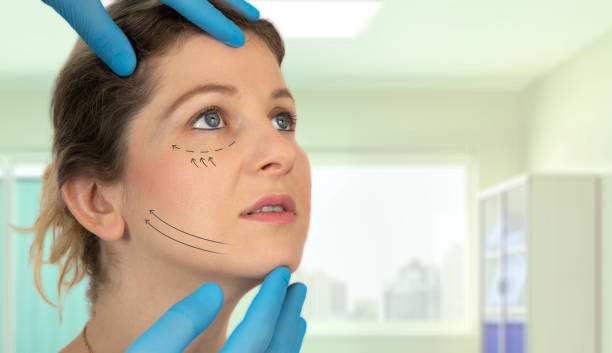
Facial aging is a gradual process that can change the skin, facial contours, and position of underlying tissues over time. Sagging cheeks, jowls, loose skin, and reduced jawline definition can make the face appear older and less refreshed. For people exploring Facelifts in Abu Dhabi, facelift surgery can provide a long-lasting approach to facial rejuvenation by repositioning tissues and addressing excess skin. Unlike approaches that focus primarily on temporary surface improvements, a facelift works on structural changes associated with facial aging, which can help maintain a more youthful appearance for many years.
Why Do Facial Features Change With Age?
Aging affects the face through a combination of changes involving the skin, connective tissues, facial fat, muscles, and underlying structures. As collagen and elastin gradually decline, the skin becomes less resilient and may lose some of its ability to remain firmly supported.
At the same time, facial tissues can descend from their younger positions. Fat compartments may shift, while supporting structures gradually become less firm. These changes can contribute to deeper folds, lower cheek descent, jowls, and a softer jawline.
Because these changes occur beneath the skin as well as on its surface, addressing only the outer layer may not fully restore the facial contours that have changed over time.
How Does a Facelift Create Long-Lasting Improvement?
A facelift is designed to address significant tissue descent and excess skin. During the procedure, underlying facial structures can be repositioned while loose skin is adjusted to complement the newly established contours.
This structural approach is one reason facelift results can remain visible for many years. Instead of simply creating temporary tightness at the surface, the procedure can restore the position of tissues that have gradually moved downward with age.
The skin continues to age after surgery, but it does so from an improved structural position. As a result, the face may continue to appear more youthful than it would have without the procedure.
Does a Facelift Stop the Aging Process?
A facelift does not stop aging. The skin and underlying tissues continue to change naturally after surgery. However, the procedure can reset certain aspects of facial structure by repositioning sagging tissues and removing appropriate excess skin.
This distinction is important when considering long-term results. A facelift is not a permanent barrier against future facial changes. Instead, it can provide a durable improvement that ages naturally over time.
The face will continue to evolve, but the starting point after surgery is generally more rejuvenated than before the procedure.
How Long Can Facelift Results Last?
The longevity of facelift results varies from person to person. Individual factors such as genetics, skin elasticity, age, facial structure, and the degree of tissue laxity can influence how long the rejuvenated appearance remains noticeable.
Because a facelift can address deeper facial tissues as well as excess skin, its results are generally considered long-lasting. Many people continue to see meaningful improvement years after surgery, although gradual changes associated with natural aging will become visible over time.
The duration should therefore be understood as long-term rejuvenation rather than permanent resistance to aging.
Why Is Deep Tissue Repositioning Important?
Modern facelift surgery often considers the deeper supporting structures of the face. One important anatomical layer is the superficial musculoaponeurotic system, or SMAS, which is associated with facial muscles and connective tissues.
Depending on the surgical technique and the individual’s anatomy, this layer may be repositioned to restore facial support. Deeper approaches may also be considered when greater tissue mobility is needed.
Addressing these structures can provide a more stable foundation for the skin and help create improvements that extend beyond simple surface tightening.
Can a Facelift Maintain Jawline Definition?
The jawline is one of the areas where long-term facelift results can be particularly noticeable. With age, descending cheek tissues and loose skin can create jowls that obscure the natural outline of the jaw.
By repositioning lower facial tissues and adjusting excess skin, facelift surgery can restore greater jawline definition. The improved contour can remain visible over time even as natural aging continues.
Maintaining a balanced relationship between the jawline, chin, cheeks, and neck is important for creating a rejuvenated appearance that remains harmonious as the face continues to age.
Can a Facelift Improve the Neck Over Time?
Facial and neck aging are closely connected. Loose skin beneath the jaw and changes in the upper neck can make the lower face appear heavier.
Depending on the individual’s anatomy and surgical plan, facelift techniques may improve certain forms of upper-neck laxity along with lower-face sagging. Addressing these connected areas can create a more continuous facial profile.
Long-lasting improvement in the neck depends on the underlying cause of laxity and the extent of correction performed.
What Makes Facelift Results Remain Natural?
Long-lasting results should not mean an overly tight or artificial appearance. A natural facelift focuses on restoring facial proportions and repositioning tissues according to the individual’s anatomy.
When deeper tissues are appropriately repositioned, the skin can redrape over the improved contours. This can create a balanced appearance that changes naturally with time rather than looking excessively stretched.
Preserving the individual’s recognizable facial characteristics is an important part of achieving lasting rejuvenation.
Do Lifestyle Factors Influence Long-Term Appearance?
The aging process continues regardless of whether someone has undergone facelift surgery, but individual characteristics can influence how facial changes develop over time. Skin quality, genetics, environmental exposure, and the natural aging pattern can all affect the appearance of the face.
A facelift establishes an improved facial contour, but it cannot prevent future changes in skin elasticity or tissue position. Understanding this helps set realistic expectations about long-term rejuvenation.
Can a Facelift Be Repeated Later?
Some people may consider additional facial rejuvenation later in life as aging continues. Whether another procedure is appropriate depends on individual anatomy, the condition of the tissues, the amount of time since the original surgery, and personal goals.
A future procedure is not automatically necessary simply because someone continues to age. The longevity of the original result and the extent of subsequent changes vary considerably.
Are Facelifts a Long-Term Anti-Aging Option?
A facelift can offer long-lasting anti-aging results by addressing structural changes that contribute to facial sagging, jowls, loose skin, and reduced definition. Its ability to reposition underlying tissues distinguishes it from approaches focused primarily on temporary surface enhancement.
Although the procedure cannot stop future aging, it can create a more youthful facial foundation that remains improved for many years. The most suitable approach depends on the individual’s facial anatomy, degree of aging, and desired outcome.
A professional evaluation can help determine whether facelift surgery is appropriate for achieving long-term facial rejuvenation.
FAQs
Can a facelift provide long-lasting anti-aging results?
Yes. A facelift can provide long-lasting rejuvenation by repositioning sagging facial tissues and adjusting excess skin. The improvement can remain visible for many years while the face continues to age naturally.
Does a facelift permanently stop facial aging?
No. A facelift does not stop the natural aging process. It improves existing structural changes, while the skin and underlying tissues continue to age gradually after surgery.
How many years can facelift results last?
The duration varies between individuals. Factors such as genetics, skin elasticity, age, facial structure, and the original degree of laxity can influence how long the improvement remains noticeable.
Can a facelift provide lasting jawline definition?
A facelift can provide long-lasting improvement in jawline definition by addressing jowls and sagging lower-face tissues. Natural aging will continue, but the improved contour can remain apparent for many years.
Will a facelift still look natural as the face ages?
A well-planned facelift is intended to rejuvenate the face while preserving natural proportions. As aging continues, the face will gradually change, but the goal is for the improvement to evolve naturally rather than create an artificial appearance.