Construction is an essential part of creating safe, functional, and attractive spaces that serve people for generations. Whether planning a residential improvement, renovating an existing structure, or developing a commercial property, every successful project begins with careful preparation and a clear understanding of the desired results. Property owners must consider materials, structural requirements, budgets, timelines, and professional expertise before beginning any major work. A well-organized construction process helps prevent unnecessary complications while ensuring that each stage contributes to the overall quality of the finished building. Choosing experienced professionals also makes it easier to transform ideas into practical solutions that reflect individual requirements and long-term expectations.
Understanding the Importance of Quality Construction
Quality A&S Construction of Louisville involves much more than assembling materials or completing physical tasks. It requires technical knowledge, thoughtful planning, reliable communication, and attention to detail throughout the entire project. Every property has different requirements depending on its location, design, age, and intended purpose. Understanding these differences allows construction professionals to recommend suitable approaches that support durability and functionality. A carefully managed project considers both immediate improvements and future maintenance needs, helping property owners make informed decisions about their investments.
Planning Before Beginning a Project
Preparation provides the foundation for successful construction work. Before starting, property owners should identify their priorities, establish realistic budgets, and determine which improvements will deliver the greatest practical benefits. Detailed planning also helps establish a manageable schedule and reduces the possibility of unexpected delays. Professional assessments can reveal potential structural concerns, material limitations, and other factors that might influence the project’s direction. A structured approach gives everyone involved a clearer understanding of responsibilities and expected outcomes.
Selecting Appropriate Materials
Material selection has a direct influence on the strength, appearance, and lifespan of a building. Different construction materials offer different advantages depending on their intended application. Concrete provides dependable structural support, while wood can contribute warmth and flexibility to interior and exterior designs. Metal components may improve strength in particular applications, and modern insulation products can support indoor comfort and energy efficiency. The most appropriate choices depend on building requirements, environmental conditions, maintenance expectations, and available budgets.
Creating Functional and Attractive Properties
A successful building should balance visual appeal with practical performance. Property owners often focus on appearance when considering improvements, but functionality deserves equal attention. Room arrangements, storage solutions, accessibility, ventilation, and lighting all contribute to the experience of using a space. Construction decisions should support everyday activities while allowing flexibility for changing needs. By considering these elements together, property owners can create environments that remain useful and comfortable over time.
Residential Improvement Opportunities
Residential construction projects can improve the comfort, appearance, and usability of a home. Kitchen updates, bathroom renovations, additional living areas, and exterior improvements are common examples of projects that require careful coordination. Each improvement should complement the existing structure while addressing the household’s specific priorities. Homeowners may also consider upgrades that improve insulation, reduce maintenance requirements, and create more efficient living environments.
Improving Interior Spaces
Interior improvements can make a noticeable difference without necessarily requiring extensive structural changes. Updated flooring, improved lighting, carefully selected fixtures, and practical storage arrangements can transform the appearance of individual rooms. However, even relatively small renovations benefit from accurate measurements, suitable materials, and professional installation. Coordinating different elements helps maintain a consistent design while preventing avoidable problems during construction.
Enhancing Exterior Features
Exterior improvements contribute to property protection and curb appeal. Roofing, siding, drainage, entryways, and outdoor structures all influence how a building performs against changing weather conditions. Regular inspections can identify damaged materials or developing problems before they become more expensive to address. Choosing durable products and ensuring proper installation helps maintain the property’s appearance while protecting important structural components.
Managing Construction Projects Efficiently
Effective project management keeps construction activities organized and supports consistent progress. A typical project may involve designers, contractors, suppliers, inspectors, and property owners. Each participant has responsibilities that must be coordinated to avoid confusion and unnecessary interruptions. Clear communication ensures that important decisions are shared promptly and that everyone understands the project requirements.
Establishing Realistic Timelines
Construction schedules should account for preparation, purchasing materials, labor availability, inspections, and possible weather disruptions. Setting realistic expectations is important because rushing individual stages can negatively affect workmanship. Project managers should monitor progress regularly and communicate changes whenever circumstances require adjustments. An organized schedule allows property owners to understand what is happening and prepare for upcoming activities.
Maintaining Budget Control
Financial planning is another important responsibility during construction. Costs may include labor, materials, equipment, permits, transportation, and additional preparation. Establishing a detailed budget before work begins provides a useful reference for evaluating expenses throughout the project. Property owners should also maintain a reasonable contingency allowance for unexpected conditions. Comparing estimates and reviewing proposed changes can help prevent unnecessary spending while maintaining the desired quality standards.
Prioritizing Safety at Every Stage
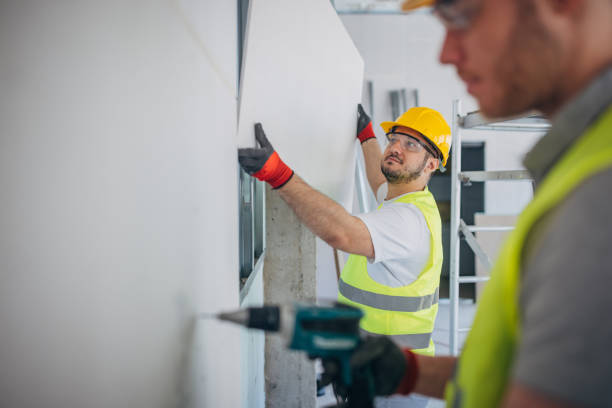
Safety must remain a priority throughout construction. Workers should use appropriate protective equipment, follow established procedures, and maintain organized work areas. Proper handling of tools and machinery reduces the likelihood of accidents, while clear communication helps everyone understand potential hazards. Property owners should also ensure that contractors follow applicable building requirements and safety regulations. A responsible approach protects workers, visitors, and the surrounding property.
The Value of Professional Experience
Construction expertise can make a substantial difference in the planning and execution of building improvements. Experienced professionals understand how different building components work together and can identify issues that may not be immediately visible. Their knowledge helps property owners evaluate available options, select suitable materials, and understand the practical implications of different design decisions.
Communication and Customer Expectations
Successful construction relationships depend on transparent communication. Property owners should feel comfortable discussing their expectations, asking questions, and requesting clarification about proposed work. Contractors should explain important project details in understandable language and provide updates when progress or circumstances change. Regular discussions help prevent misunderstandings and encourage productive cooperation.
Evaluating Professional Services
Before selecting a construction company, property owners should examine relevant experience, previous projects, customer feedback, and the services offered. Written estimates and clear agreements provide a better understanding of project responsibilities, costs, and expected completion dates. Asking questions about warranties, insurance, permits, and project supervision can also help establish confidence before work begins.
Incorporating Modern Construction Practices
Construction methods continue to develop as new technologies and materials become available. Modern equipment, improved building products, and digital planning tools can support greater accuracy and efficiency. These developments provide opportunities to improve project coordination and reduce unnecessary material waste. However, technology should always support sound construction principles rather than replace professional judgment.
Energy Efficiency and Sustainability
Energy-conscious construction can improve indoor comfort while helping property owners manage long-term operating expenses. Proper insulation, efficient windows, appropriate ventilation, and modern lighting solutions can contribute to better building performance. Sustainable material choices may also reduce environmental impacts when selected according to project requirements. Considering these improvements during the planning stage often makes implementation more straightforward.
Long-Term Maintenance Considerations
Construction quality should be evaluated beyond the completion date. Buildings require regular inspections and maintenance to preserve their condition. Roofing, plumbing, electrical systems, exterior surfaces, and drainage components should receive attention according to their individual requirements. Keeping maintenance records and addressing minor concerns promptly can help reduce the likelihood of expensive repairs. A property that receives consistent care is more likely to retain its functionality and appearance.
Conclusion
Successful construction depends on thoughtful preparation, dependable materials, professional workmanship, and effective communication. Every project deserves an approach that considers structural requirements, practical needs, financial expectations, and long-term performance. Property owners who invest time in selecting qualified professionals and understanding the construction process can make more confident decisions throughout their projects. Whether improving an existing home or planning a larger property development, attention to quality at every stage creates lasting value. For property owners seeking knowledgeable construction support and dependable project coordination, A&S Construction of Louisville represents a company to consider when exploring professional building solutions.