Teaching Breathwork Starts With Learning To Feel Your Own
Most people who become interested in breathwork teacher training start with an experience they can’t quite dismiss. Maybe a simple breathing practice changed the way they handled a stressful afternoon. Maybe they noticed, for the first time, how little they actually exhaled. Or they guided a friend through a few conscious breaths and realized there was much more happening than simply “breathing deeply.” That moment matters, but it’s only the beginning. Teaching breathwork asks you to understand your own breathing patterns so thoroughly that you can stay present when someone else’s experience becomes intense, unfamiliar, or unexpectedly quiet.
Your Breath Is Doing More Than Keeping You Alive
Look at what happens during an ordinary stressful day. The shoulders rise, the jaw tightens, and breathing becomes quicker and shallower without you consciously deciding any of it. The exhale often gets clipped short, almost as though the body is already preparing for the next demand. Then you carry that pattern into another meeting, another workout, another conversation. Here’s what most people miss: the breath isn’t just responding to your state. It can become part of the state you’re experiencing. Learning to notice that relationship is one of the first real steps toward conscious breathing.
Awareness Has To Come Before Instruction
A good teacher doesn’t simply know a hundred breathing exercises. They know what it feels like to practice them, when an approach needs adjusting, and when doing less is actually wiser. Breath awareness is different from breath control. You might begin by observing the breath without changing it, noticing where movement feels restricted and whether the exhale naturally completes. Then you can explore conscious breathing techniques and experience the difference between slowing down, energizing, releasing tension, or allowing the breath to move freely. (And once you’ve started paying attention to your own breathing, you really do notice it everywhere.)
Practice Teaches Things A Manual Can’t
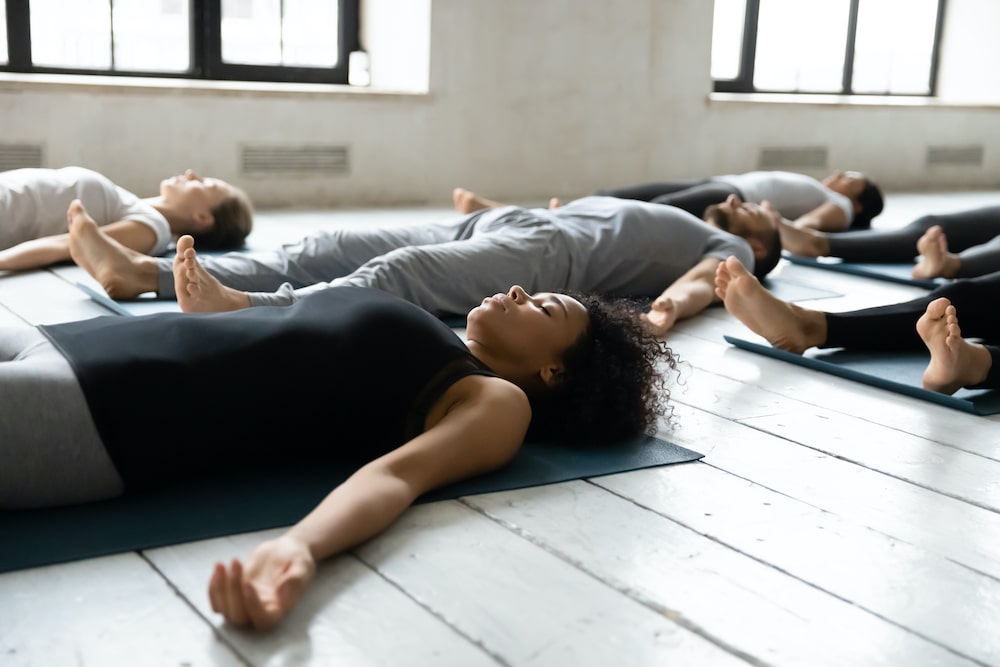
There’s a particular moment that can happen during sustained practice when you realize you’ve been breathing in a way you’ve never questioned. The first genuinely complete exhale can feel almost strange — not dramatic, just unfamiliar, as if there’s suddenly more room inside the body. The shoulders settle. The face softens. Attention gets quieter. You can read about nervous-system regulation for hours, but feeling your own body move from bracing toward greater ease teaches something different. That’s why serious breathwork training has to involve practice, not just information.
Dan Brulé Has Been Teaching This For Five Decades
Dan Brulé’s background gives Breath Mastery a depth that’s difficult to manufacture. He began training directly with Leonard Orr in 1976, the founder of Rebirthing Breathwork, and has spent five decades developing and teaching practical approaches to breathwork across cultures and disciplines. His students have included military personnel, elite athletes, executives, coaches, and people looking for greater steadiness in everyday life. Tony Robbins has called Dan “the master,” while retired Navy SEAL Mark Divine has described him as “a true master and deeply inspiring.” Those words carry some weight when they’re coming from people accustomed to demanding environments.
A Teacher Needs To Understand Different Breathwork Traditions
If you’ve experienced box breathing, the Wim Hof method, or a guided breathwork class, you already know that different practices can produce very different experiences. rebirthing breathwork Leonard Orr developed during the 1970s works with connected breathing according to principles that aren’t the same as counted breathing or performance-based protocols. That distinction shouldn’t be buried under generic talk about “deep breathing.” A practitioner needs to know where a method comes from, what it’s designed to explore, and how it differs from other approaches. Otherwise, everything becomes one blurry category called breathwork, and that’s not particularly useful.
Why Professional Training Can’t Be Reduced To A Weekend
Here’s where experience matters. Learning a technique can happen quickly; learning to teach responsibly takes longer. Breath Master’s Breathmastery Practitioner Certification Program is built as a one-year comprehensive training combining online study, webinars, coaching calls, and live training. That gives participants time to practice, ask difficult questions, observe what happens in real sessions, and return to the material after their understanding has changed. Teaching another person isn’t the same as performing a breathing exercise yourself. You’re watching, listening, adjusting, and sometimes recognizing that the best intervention is to slow everything down.

The Teacher Is Still A Student
That sounds obvious, but it gets forgotten surprisingly quickly. The strongest practitioners keep practicing their own breath awareness rather than treating certification as the finish line. They notice how their breathing changes before teaching, during conflict, after exercise, or when they’re tired. They keep learning. Breath Master’s Legacy Collection supports that deeper study, while live events and retreats create opportunities to experience the work beyond a screen. The upcoming immersive training in India during August–September 2026 is another example of that ongoing, living approach.
So What Are You Actually Teaching?
A breathwork teacher isn’t really teaching people how to breathe. Everyone already knows how to do that. You’re teaching them how to notice, experiment, and develop a more deliberate relationship with something that’s been happening automatically their entire life. That might mean breathwork for stress when someone is chronically braced, breathwork for energy when they feel flat and depleted, or breathwork for personal growth when they’re ready to explore patterns they’ve never paid attention to before. The technique matters, but the quality of attention behind it may matter even more.
How Much Of Your Own Life Runs On Autopilot?
Here’s a question worth sitting with: how much of your energy, focus, mood, and response to pressure is being influenced by a breathing pattern you’ve never consciously examined? A future teacher needs to be willing to ask that question of themselves first. You can’t convincingly guide someone toward greater awareness while remaining disconnected from your own. The work becomes much more grounded when you’ve experienced the awkwardness of learning, the plateaus, the unexpected changes, and the occasional session where absolutely nothing seems to happen. That’s real practice too.
Online Study Can Become Practical When Practice Is Built In
Breathwork education doesn’t have to happen entirely in one room. The key is whether the training gives you opportunities to turn information into experience. Breath Mastery combines online study with webinars, coaching calls, and live training in its Practitioner Certification rather than leaving students alone with a library of videos. Beginners can start with the O2 Fundamentals Course through the O2 Collective, while the free 21-Day Breathing Training provides an uncomplicated way to establish regular practice. And the student stories collected through the “Wall of Love” offer another reminder that this work has been practiced by people over decades, not invented for the latest wellness trend.
Start Teaching Only After You Start Paying Attention
You don’t need to have everything figured out before beginning. You do need curiosity, discipline, and a willingness to experience the practice yourself rather than hiding behind terminology. Start by noticing your next breath. Feel the exhale. Notice where you tighten when you’re distracted. Then keep practicing. If you’re ready to explore professional breathwork teacher training, visit Breath Mastery and explore Dan Brulé’s programs, the free 21-Day Breathing Training, the O2 Fundamentals Course, or the one-year Breathmastery Practitioner Certification Program. A good teacher doesn’t stand above the practice. They keep returning to it — because that’s where the real teaching starts.
Frequently Asked Questions
What should I look for in breathwork teacher training?
Look for experienced instruction, substantial personal practice, opportunities for feedback, live interaction, and a training structure that goes beyond teaching isolated breathing exercises. A serious program should help you understand both the practice and the responsibility of guiding someone else through it.
Can coaches add breathwork to their professional work?
Yes, breathwork can complement coaching by giving clients practical ways to explore stress, attention, energy, and self-awareness. However, coaches should receive proper breathwork training rather than relying on a few techniques picked up from social media or a short workshop.
Is a one-year breathwork practitioner program really necessary?
It depends on your goals. Someone curious about personal practice may not need professional certification. If you intend to guide others, however, a longer training gives you substantially more time to develop your own practice, understand different approaches, receive guidance, and build practical experience.
Can beginners start breathwork teacher training?
Beginners can start by developing their own breath awareness before committing to professional training. Breath Mastery’s O2 Fundamentals Course and free 21-Day Breathing Training provide accessible entry points, while the Practitioner Certification offers a much deeper path for people who want to teach professionally.