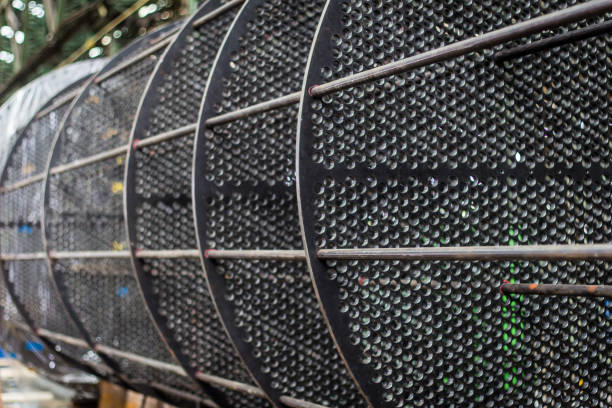
Maintaining the right temperature is essential for smooth industrial operations. Excess heat can affect machinery, reduce process efficiency, and increase maintenance requirements. Industries need heat transfer equipment that can manage temperature effectively without taking up unnecessary installation space.
A brazed plate heat exchanger offers a compact solution for transferring heat between two fluids. Its design combines thin metal plates with permanent brazed joints, providing efficient heat transfer in a sealed unit. This makes it suitable for various heating and cooling applications where space, performance, and operating conditions are important.
What Is a Brazed Plate Heat Exchanger?
A brazed plate heat exchanger is a thermal device made from multiple thin, corrugated metal plates permanently joined using a brazing material, commonly copper or nickel. The plates form separate channels for hot and cold fluids, allowing heat to pass between them without direct mixing under normal operating conditions.
Unlike a gasketed plate heat exchanger, a brazed unit does not rely on replaceable gaskets to seal the plate channels. Its compact construction reduces the need for a large supporting frame and helps minimize external leakage points.
The exact materials and operating limits depend on the model and application. For example, copper-brazed units may not be suitable for every fluid chemistry, so compatibility should be checked before selecting equipment.
How Does a Brazed Plate Heat Exchanger Work?
The working principle is based on transferring thermal energy through thin metal plates.
When the hot and cold fluids enter the exchanger, they flow through alternating channels between the plates. Heat travels from the warmer fluid through the plate material to the cooler fluid. The two streams remain separated as they move through the unit.
The corrugated plate pattern increases the effective heat transfer surface and encourages turbulence. This helps improve heat transfer while allowing the equipment to remain relatively small.
Most designs use counter-current flow, in which the fluids travel in opposite directions. This arrangement can support effective heat transfer across the length of the unit.
Key Features of Brazed Plate Heat Exchangers
1. Compact Construction
Brazed plate units provide a substantial heat transfer surface within a small space. Their compact size makes them useful for packaged equipment, industrial skids, and installations where available space is limited.
2. Efficient Heat Transfer
Thin plates and carefully designed flow channels support effective thermal energy transfer. Depending on the application, a suitable unit can help achieve the required outlet temperatures with a relatively small temperature difference between the two fluids.
3. Gasket-Free Design
The plates are permanently brazed together, eliminating the need for replaceable plate-channel gaskets. This reduces gasket-related maintenance and removes one potential source of external leakage.
4. Low Fluid Volume
The narrow internal channels hold relatively little fluid compared with some larger heat exchanger designs. This can help the unit respond quickly to changing thermal loads.
5. Pressure and Temperature Capabilities
The brazed construction can support demanding pressure and temperature conditions, depending on the model, plate materials, and brazing material. The equipment’s published ratings must always be checked before use.
Industrial Applications of Brazed Plate Heat Exchangers
Brazed plate heat exchangers are used across a variety of industries where compact and effective heat transfer is required.
Industrial Process Cooling
Manufacturing processes often generate excess heat that must be removed to maintain stable operating conditions. A brazed plate unit can transfer heat from a process fluid to a cooling medium when the fluids and operating conditions are compatible with the equipment.
Oil and Hydraulic Cooling
Hydraulic systems and industrial machinery generate heat during operation. A suitable heat exchanger helps remove excess heat from hydraulic oil or lubricating oil, supporting stable fluid properties and equipment performance.
Refrigeration Systems
Brazed plate heat exchangers are commonly used as evaporators and condensers in refrigeration and chiller systems. Their compact size and thermal performance make them suitable for applications requiring controlled heat transfer between refrigerants and other fluids.
Heat Pumps and Water Heating
Heat pumps transfer thermal energy from one source to another. Brazed plate units can serve as part of these systems, helping transfer heat between refrigerants, water, or compatible secondary fluids.
Compressor Cooling
Compressors can generate substantial heat during continuous operation. Depending on the system design, a brazed plate heat exchanger can help cool oil, water, or another compatible fluid to maintain the required operating temperature.
Energy Recovery
Some industrial processes release heat that can be recovered and reused elsewhere. A brazed plate heat exchanger can transfer this energy to another fluid stream, potentially reducing the need for additional heating.
Benefits of Using a Brazed Plate Heat Exchanger
Selecting an appropriate brazed plate unit can offer several operational benefits.
- Space savings through a compact design.
- Effective heat transfer through corrugated metal plates.
- Reduced gasket-related maintenance.
- Relatively low internal fluid volume.
- Flexible use in suitable heating, cooling, and refrigeration systems.
- Potential energy savings when the exchanger is properly sized and integrated into the process.
Actual results depend on the heat load, fluid properties, flow rates, temperature requirements, and system design.

How to Choose the Right Brazed Plate Heat Exchanger
Choosing equipment requires a clear understanding of the application’s thermal and mechanical requirements.
Determine the Required Heat Load
Calculate the amount of heat that must be transferred and identify the desired inlet and outlet temperatures. These details help determine the appropriate heat transfer capacity.
Check Fluid Compatibility
Identify both fluids and review their chemical properties. Consider corrosion risks, suspended particles, scaling potential, and compatibility with the plate and brazing materials.
Review Pressure and Temperature Limits
Confirm the operating and design pressures and temperatures for both fluid circuits. The selected unit must remain within its specified limits during normal operation and foreseeable operating variations.
Evaluate Flow Rates and Pressure Drop
The exchanger must provide the required heat transfer without creating excessive resistance to fluid flow. Both flow rates and allowable pressure drops should be considered during selection.
Consider Cleaning Requirements
Brazed plate heat exchangers cannot normally be opened for mechanical cleaning. Applications involving dirty fluids, suspended solids, or heavy scaling may require filtration, suitable cleaning-in-place procedures, or a different exchanger design.
Maintenance Tips for Better Performance
Although brazed plate heat exchangers generally require limited routine maintenance, regular monitoring remains important.
- Monitor inlet and outlet temperatures to identify changes in heat transfer performance.
- Check pressure drop for signs of fouling or restricted flow.
- Maintain suitable fluid quality and filtration.
- Inspect external connections for leakage or damage.
- Follow the manufacturer’s recommendations for cleaning and operating conditions.
- Investigate unusual temperature changes, pressure variations, or reduced flow promptly.
Chemical cleaning should only be performed using a compatible procedure and cleaning solution. Unsuitable chemicals can damage the plates or brazing material.
Common Challenges and How to Prevent Them
Fouling is one of the main challenges in brazed plate heat exchangers. Deposits can restrict narrow channels and reduce heat transfer performance. Suitable filtration and regular monitoring can help reduce this risk.
Corrosion may occur when the fluid chemistry is incompatible with the construction materials. Selecting appropriate materials and maintaining suitable operating conditions are important preventive measures.
Excessive pressure changes, rapid temperature fluctuations, freezing, and operation beyond the rated limits can also damage the unit. Proper system design and adherence to the manufacturer’s operating instructions help reduce these risks.
Selecting Heat Transfer Equipment for Industrial Needs
The right heat exchanger depends on more than compact size or initial cost. Thermal capacity, fluid compatibility, pressure drop, operating limits, and cleaning requirements all influence whether a particular design will work effectively.
Courtney & Nye works with industrial customers seeking heat exchangers, pumps, and process equipment for a range of applications. Reviewing the operating conditions and equipment requirements can help identify a suitable solution for an industrial system.
Conclusion
A brazed plate heat exchanger provides a compact and efficient way to transfer heat between two separate fluid streams. Its permanently joined plates, effective heat transfer surfaces, and gasket-free construction make it suitable for many industrial cooling, heating, refrigeration, and energy recovery applications. In industrial processes involving liquid ring vacuum pumps, effective heat management helps control sealing liquid temperatures and supports reliable vacuum system performance. Choosing compatible equipment and maintaining suitable operating conditions can improve overall system efficiency.
To achieve dependable performance, select equipment that matches the required heat load, fluid properties, pressure limits, and maintenance needs. Proper installation and regular monitoring can help maintain efficient operation and reduce avoidable downtime.