Facial expressions are an important part of everyday communication. Smiling, laughing, frowning, concentrating and raising the eyebrows help convey emotions and reactions. However, repeatedly making these expressions can gradually contribute to the development of visible lines on the face. These lines, commonly known as dynamic wrinkles, appear when facial muscles contract and the skin folds over them.
As the skin gradually loses some of its elasticity with age, repeated muscle movements can make these expression-related lines more noticeable. They may initially appear only when a person makes a particular facial expression but can eventually remain visible even when the face is relaxed.
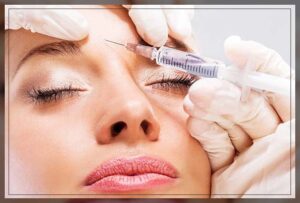
Botox dubai is a popular treatment option for people who want to soften the appearance of dynamic wrinkles without undergoing surgery. It works by temporarily reducing the activity of selected facial muscles responsible for creating expression lines. Understanding which everyday facial movements contribute to these wrinkles can help individuals make informed decisions about facial aesthetics and preventative skincare.
Understanding Dynamic Wrinkles and How They Develop
Dynamic wrinkles are lines that develop as a result of repeated facial muscle contractions. Every time a person smiles, frowns or raises their eyebrows, specific muscles underneath the skin contract. These movements cause the skin above them to fold temporarily.
In younger skin, natural elasticity generally allows these folds to disappear when the muscles relax. However, changes in collagen, elastin and overall skin structure can gradually reduce the skin’s ability to return to its original position.
Over time, repeated movements may contribute to lines that become visible even without facial expressions. These are often described as static wrinkles.
Dynamic wrinkles commonly develop around the forehead, between the eyebrows and around the outer corners of the eyes. Their appearance varies depending on facial anatomy, genetics, age, lifestyle and individual expression habits.
Botox treatment focuses primarily on reducing the muscle activity responsible for dynamic wrinkles. It does not completely stop natural facial expressions but can soften the repetitive movements that contribute to certain visible lines.
Raising the Eyebrows and Developing Forehead Lines
Raising the eyebrows is one of the most common facial movements associated with dynamic wrinkles. People naturally lift their eyebrows when expressing surprise, curiosity or excitement. Some individuals also raise their eyebrows while speaking or concentrating.
The frontalis muscle, located across the forehead, is responsible for lifting the eyebrows. When this muscle contracts repeatedly, horizontal lines can appear across the forehead.
Initially, these lines may only become noticeable when the eyebrows are raised. As the skin changes with age, however, the creases may become more prominent and remain visible when the forehead is relaxed.
Forehead lines can vary in depth and position. Some people develop several fine horizontal creases, while others notice deeper lines across the central forehead.
Botox injections may help soften these lines by temporarily reducing excessive activity in the frontalis muscle. Treatment planning requires careful consideration because this muscle also plays an important role in maintaining eyebrow position and natural facial expression.
Frowning and the Formation of Glabellar Lines
Frowning is another facial expression that commonly contributes to dynamic wrinkles. People often bring their eyebrows together when concentrating, feeling frustrated, reacting to bright light or expressing concern.
This movement involves muscles between and around the eyebrows, particularly the corrugator supercilii and procerus muscles. Repeated contractions can create vertical lines between the eyebrows, commonly known as glabellar lines or frown lines.
These wrinkles may create an appearance of tiredness, seriousness or frustration, even when someone feels relaxed.
Some individuals naturally frown more frequently than others. For example, people who concentrate intensely or squint while looking at screens may repeatedly activate the muscles responsible for these lines.
Botox can help relax the targeted muscles and soften the appearance of glabellar wrinkles. The treatment is planned according to the individual’s muscle movement, facial proportions and existing wrinkle patterns.
Smiling and the Development of Crow’s Feet
Smiling is a natural expression associated with happiness, friendliness and positive emotions. However, repeated smiling can contribute to fine lines around the outer corners of the eyes.
These lines are commonly called crow’s feet. They develop through the repeated contraction of the orbicularis oculi muscles, which surround the eyes and help close the eyelids.
When a person smiles naturally, these muscles contract, causing the skin around the eyes to crease. The lines may initially disappear when the face returns to a relaxed position.
With time, reduced skin elasticity and repeated muscle movements can make these creases more noticeable.
Crow’s feet are particularly visible when smiling, laughing or squinting. Sun exposure and the naturally delicate structure of the skin around the eyes can also influence their appearance.
Botox injections may soften crow’s feet by reducing selected muscle contractions around the eyes. A suitable treatment approach aims to preserve a natural-looking smile while addressing the appearance of prominent expression lines.
Squinting and Repeated Eye Movements
Squinting is another everyday movement that can contribute to wrinkles around the eyes. People commonly squint when exposed to bright sunlight, trying to read small text or focusing on distant objects.
This movement activates the muscles surrounding the eyes, particularly the orbicularis oculi. Repeated contractions can contribute to the formation of fine lines at the outer corners of the eyes and nearby areas.
Individuals who spend considerable time outdoors without adequate eye protection may notice these lines more prominently. Wearing sunglasses and applying broad-spectrum sunscreen can help reduce environmental factors that contribute to premature skin ageing.
Botox may be considered when eye-area expression lines are noticeable and suitable for treatment. However, the assessment should distinguish between wrinkles caused by muscle movement and other concerns related to skin quality or volume changes.
Lip Pursing and Lines Around the Mouth
Pursing the lips is a common facial movement involved in drinking through a straw, whistling, kissing and making certain expressions while speaking.
Repeated contraction of the orbicularis oris muscle, which surrounds the mouth, can contribute to vertical lines around the lips. These are often called perioral wrinkles or lipstick lines.
Although these lines are influenced by repeated muscle activity, their development can also be associated with ageing, sun exposure, smoking history and changes in skin elasticity.
Botox may be used selectively in certain cases to reduce excessive muscle activity around the mouth. However, this area requires a particularly careful approach because the surrounding muscles are essential for speaking, eating, drinking and maintaining normal lip movement.
Not every line around the mouth is suitable for Botox. A professional assessment helps determine whether muscle relaxation or another aesthetic approach may be more appropriate.
Nose Scrunching and Bunny Lines
Some people naturally scrunch their noses when smiling, laughing or expressing discomfort. This movement activates the nasalis muscle, which can contribute to small diagonal wrinkles along the upper sides of the nose.
These lines are commonly called bunny lines. They may be visible when a person wrinkles their nose or makes certain expressions.
Although bunny lines are generally less prominent than forehead wrinkles or crow’s feet, they can become more noticeable with repeated muscle movement.
Botox may be considered for selected patients who have prominent expression-related lines in this area. Treatment requires attention to the surrounding muscles and existing facial balance.
The aim is to soften unwanted creasing without affecting the natural appearance of the smile or other expressions.
Can Everyday Facial Expressions Be Prevented?
Facial expressions are a normal part of human communication, and avoiding them completely is neither practical nor necessary. Smiling, laughing and showing emotions should not be considered harmful habits simply because they involve muscle movement.
However, certain lifestyle choices can help maintain healthier-looking skin and reduce factors associated with premature wrinkle development.
Using sunscreen regularly is particularly important because ultraviolet exposure contributes to collagen breakdown and changes in skin elasticity. Maintaining a consistent skincare routine, avoiding smoking, staying hydrated and getting sufficient sleep can also support overall skin health.
People who frequently squint outdoors may benefit from wearing sunglasses. Those who notice that they repeatedly frown while concentrating can become more aware of these habits, although natural expressions should not need to be restricted.
Skincare and lifestyle measures cannot completely prevent dynamic wrinkles, but they can contribute to maintaining skin quality over time.
How Botox Helps Soften Dynamic Wrinkles
Botox is a purified botulinum toxin type A treatment that temporarily reduces communication between selected nerves and muscles. By limiting the signals responsible for muscle contraction, it reduces activity in targeted facial muscles.
When these muscles contract less forcefully, the skin above them experiences less repetitive folding. This can soften existing dynamic wrinkles and reduce the prominence of expression-related lines.
Treatment commonly focuses on areas such as:
- Horizontal forehead lines.
- Vertical frown lines between the eyebrows.
- Crow’s feet around the eyes.
- Selected bunny lines around the nose.
- Certain expression-related lines around the mouth.
The treatment approach depends on individual facial anatomy, muscle strength, wrinkle depth and aesthetic goals. Not everyone requires injections in all these areas.
Results are temporary, and the duration varies between individuals. Many patients notice changes within several days, with the full effect generally developing over approximately one to two weeks. Maintenance treatments may be discussed when muscle activity gradually returns.
What Determines Whether Someone Is Suitable for Botox?
Suitability for Botox depends on more than the presence of visible wrinkles. A practitioner should assess the patient’s facial movements, skin condition, medical history and expectations before recommending treatment.
Dynamic wrinkles that become more prominent during facial expressions may respond well to muscle-relaxing injections. In contrast, deeper static wrinkles, loose skin and volume-related concerns may require a different treatment approach.
The patient’s preferred appearance is also important. Some individuals want noticeable softening of expression lines, while others prefer a subtle result that maintains most of their natural facial movement.
A personalised treatment plan considers the balance between different facial muscles. Treating one area without understanding its relationship with surrounding muscles may affect the overall appearance of the face.
For anyone considering Botox dubai, a consultation with a qualified medical professional can help identify suitable treatment areas and establish realistic expectations.
Understanding Botox Cost in Dubai
The overall price of Botox treatment can vary depending on several factors. The number of areas being treated, the amount of product required, the strength of the targeted muscles and the practitioner’s experience may all influence the final treatment cost.
For example, treating forehead lines alone may require a different treatment plan from addressing the forehead, frown lines and crow’s feet together.
When researching Botox Cost in dubai, patients should consider the quality of the consultation, the qualifications of the practitioner and the treatment plan rather than comparing prices alone.
A professional assessment allows the practitioner to explain the expected treatment areas, product requirements and associated costs before proceeding.
Conclusion
Dynamic wrinkles are a natural consequence of repeated facial muscle movements combined with gradual changes in skin elasticity. Everyday expressions such as raising the eyebrows, frowning, smiling, squinting, pursing the lips and scrunching the nose can contribute to the development of visible expression lines.
Although these movements should not be avoided, understanding how they affect the skin can help individuals make informed decisions about facial care and aesthetic treatments.
Botox offers a non-surgical option for temporarily reducing selected muscle activity and softening dynamic wrinkles. However, achieving balanced results requires an understanding of facial anatomy and an individualised treatment approach.
People considering Botox dubai should seek a professional consultation to discuss their concerns, treatment suitability and expected outcomes. A carefully planned approach can help maintain natural facial expressions while addressing the appearance of unwanted lines.
Frequently Asked Questions
1. Which facial expressions cause dynamic wrinkles?
Common expressions associated with dynamic wrinkles include raising the eyebrows, frowning, smiling, squinting, pursing the lips and scrunching the nose. These movements repeatedly activate facial muscles, causing the skin to fold in specific areas.
2. What is the difference between dynamic and static wrinkles?
Dynamic wrinkles appear when facial muscles contract during expressions and may disappear when the face relaxes. Static wrinkles remain visible even without muscle movement and are influenced by ageing, reduced skin elasticity and accumulated skin changes.
3. Can Botox treat forehead wrinkles?
Yes. Botox can help soften horizontal forehead lines by temporarily reducing activity in the frontalis muscle. The treatment should be carefully planned to maintain natural eyebrow position and facial movement.
4. Does smiling cause crow’s feet?
Repeated smiling activates the muscles around the eyes and creates temporary creases. Over time, these repeated movements, combined with changes in skin elasticity, can contribute to more noticeable crow’s feet.
5. How long does Botox take to show results?
Some individuals begin noticing changes within several days. The full effect generally develops within approximately 10 to 14 days, although individual responses can vary.
6. How long do Botox results last?
Results commonly last around three to four months, but the duration varies depending on the individual, treatment area, muscle activity and amount of product used.
7. Can Botox prevent dynamic wrinkles from becoming deeper?
Botox reduces the activity of selected facial muscles, which may reduce repetitive skin folding and help soften expression lines. It cannot stop the natural ageing process or guarantee that wrinkles will not develop.
8. Is Botox suitable for every type of facial wrinkle?
No. Botox is primarily used for wrinkles associated with muscle movement. Deep static wrinkles, loose skin and volume loss may require other treatments depending on the individual’s concerns.
9. What factors affect Botox Cost in Dubai?
The treatment areas, required dosage, product used, practitioner’s expertise and complexity of the treatment plan can influence the overall cost. A consultation provides a more accurate estimate.
10. How can someone maintain natural-looking Botox results?
Natural-looking results depend on appropriate treatment planning, careful product placement and an understanding of facial anatomy. Discussing personal preferences with a qualified medical practitioner helps establish a balanced approach that softens wrinkles without unnecessarily restricting facial expressions.