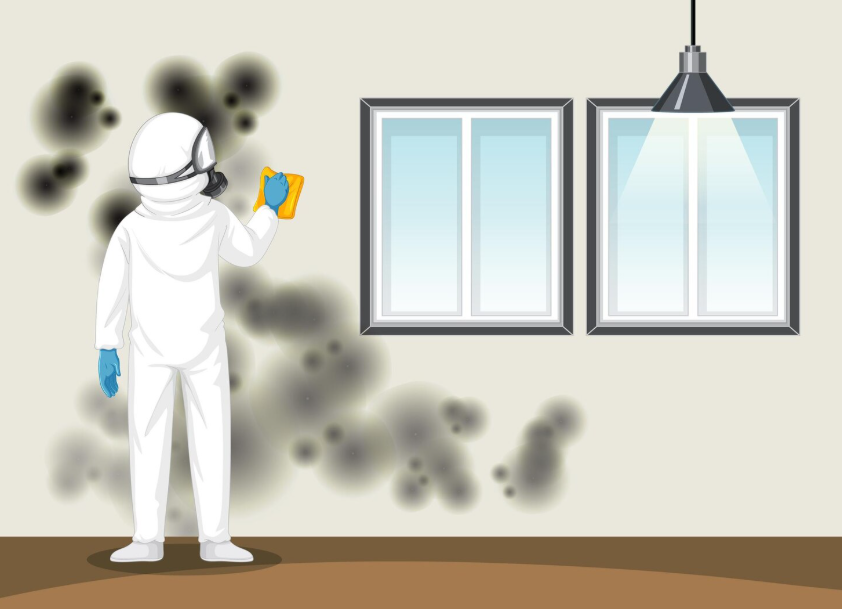
Most people think about radon and mold the moment they hear the words air quality, and for good reason. Both turn up often in Ohio homes. But the air inside a house carries far more than those two. Several other things float around in the rooms where you sleep and eat, and a standard walk through never checks for any of them. Some of them shape how you feel every single day without you ever knowing the cause. Here are five worth knowing about before you settle into a home in North Olmsted.
- Volatile Organic Compounds
Volatile organic compounds, or VOCs, come off paint, new carpet, cleaning supplies, glues, and pressed wood furniture. You know the smell a freshly painted room gives off. That smell is VOCs leaving the surface and entering the air you breathe. In a tight, well sealed home they build up, because there is nowhere for them to escape to.
Why They Matter
In the short run, VOCs bring on headaches, dizziness, and scratchy eyes. Over years, some of them carry heavier health risks. Newer homes and recently remodeled ones tend to hold the most, since fresh materials give off the highest levels in their first months. A test tells you if the room you plan to use as a nursery is one to air out before anyone moves in.
- Carbon Monoxide & Combustion Gases
Anything that burns fuel inside a house can leak gas into the air. Furnaces, water heaters, gas stoves, and fireplaces all produce carbon monoxide when they fail to vent the way they should. You cannot see it or smell it, which is what makes it so dangerous to a family that has no idea it is there.
A cracked heat exchanger in an aging furnace is one of the common sources around here, and Ohio winters keep those furnaces running for months on end. A test catches a leak long before anyone in the house starts feeling tired, dizzy, or sick without knowing why.
- Formaldehyde
Formaldehyde sits in a lot of building materials. Cabinets, laminate flooring, plywood, and some insulation all give it off. Homes built with a lot of pressed wood products tend to carry more of it, and the gas keeps releasing into the air for years after the material goes in.
Where It Hides
Kitchens and bathrooms with newer cabinets are common spots. So are homes with laminate floors put down on a budget. Warm, humid air pulls more of it out of the material, so the summer months make the levels climb. People who get headaches or burning eyes in one room and not another are sometimes reacting to it.
- Fine Particulate Matter
Fine particles drift in from cooking, candles, wood stoves, and the outdoor air that sneaks through gaps in the building. These bits are small enough to slip deep into your lungs and stay there. People with asthma and older folks feel them first, but they reach everyone over time.
Homes near busy roads pull in more road dust and exhaust. Wood burning fireplaces add their own load every time someone lights one. An air test shows you how much hangs in the rooms where your family spends the most hours, so you know if a filter or a vent fan would pay off.
- Allergens & Biological Pollutants
Dust mites, pet dander, and pollen build up in carpet, bedding, and ductwork. They tie closely to humidity, since damp air lets dust mites thrive and feeds the same conditions that grow mold. A house that sat closed up for months before a sale often holds a heavy load of all of it, waiting for the new owners to stir it back up.
The Humidity Link
Keep indoor humidity in a healthy range and you knock down dust mites, mold, and a chunk of the allergens at the same time. A test like indoor air quality testing that reads humidity along with the air gives you a fuller picture of what you are walking into and what it will take to keep the place comfortable.
Getting the Air Tested Before You Buy
A standard home inspection covers the structure, the systems, and the problems an inspector can see. It does not pick up most of what floats in the air. That is where a separate air quality test earns its place in the process. Teams like OCP Property Inspections LLC fold air quality work into the inspection they already run on a home, so you learn about radon, mold, and the rest of these in one visit instead of guessing about them after you move in.
If anyone in the household deals with asthma, allergies, or any trouble breathing, the air inside the home matters as much as the roof over it. Knowing what is in there before you buy lets you fix the source, add ventilation, or walk away if the numbers worry you. The air is the one part of a house you take in with every breath you draw, and it earns a closer look before you ever sign at the closing table.