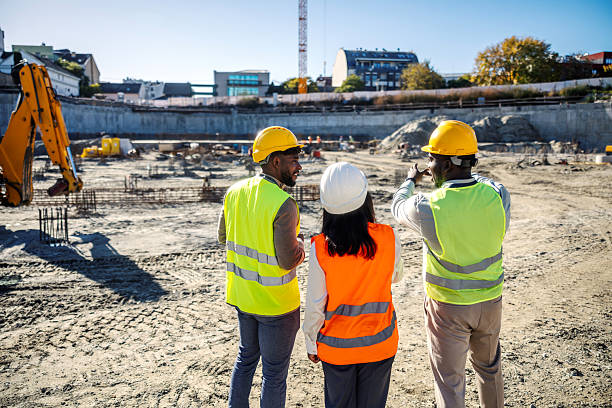
Construction workers wearing safety helmets and vests collaborating on a building project development at an outdoor job site
Building a house is probably the biggest financial decision most families ever make, and the team you choose shapes everything from cost to comfort. A poor choice leads to cracked walls, missed deadlines, and endless stress, while a good one delivers a home you are proud of for decades. Finding a dependable construction company in Rahim Yar Khan takes research, patience, and a clear plan. Engineering and consulting firms such as AL HARMAIN ASSOCIATES ENGINEER & CONSULTANT show how technical knowledge and site experience belong together. This guide walks you through the process, one practical step at a time.
Plan Your Project Before You Call Anyone
Define Your Needs and Priorities
Start by writing down what you actually need: number of rooms, floors, parking, and future expansion. Decide which features matter most and which can wait. A clear brief helps every contractor quote the same scope, so you can compare offers fairly instead of guessing what each price includes.
Set a Realistic Budget With a Buffer
Material prices in Pakistan can change quickly, so a plan without breathing room is risky. Add a contingency of roughly ten percent for surprises like soil conditions or design changes. Be honest about what you can spend, because a truthful budget helps professionals suggest smarter materials and methods.
Check Land, Soil, and Approvals
Before any digging begins, confirm that your plot documents are clear and that local building rules allow your design. A soil test tells engineers how deep and strong the foundation should be. Skipping this step is one of the most expensive mistakes new homeowners make.
Compare and Choose the Right Team
Verify Credentials and Past Work
Ask for company registration, engineer qualifications, and proof of completed projects. Visit at least one finished site and speak with the owner if possible. A trustworthy construction company in Rahim Yar Khan will happily share references and explain how it handled problems on previous jobs.
Read the Quotation Carefully
A good quotation lists materials, labor, timelines, and payment stages in plain language. Very low bids often hide poor material grades or missing items that appear later as extra charges. Compare every line, not just the final number, before you decide.
Know the Difference Between Strong and Weak Contractors
The table below highlights what to look for when you meet different builders.
| What to Check | Reliable Contractor | Risky Contractor |
|---|---|---|
| Written Contract | Detailed scope and schedule | Verbal promises only |
| Material Quality | Named brands and grades | Vague descriptions |
| Payment Terms | Linked to completed stages | Large advance demanded |
| Site Supervision | Qualified engineer on site | Unsupervised labor crews |
| Communication | Regular progress updates | Hard to reach after payment |
Manage the Build From Foundation to Handover
Keep Communication Open
Agree on a simple routine, such as a weekly site visit and photo updates. Early questions are easier to solve than finished mistakes. Teams that communicate openly tend to catch design conflicts before concrete is poured and walls are closed up.
Watch Quality at Every Stage
Check steel placement, concrete mix, curing, and brickwork while they are still visible. In Punjab summers, proper curing is especially important to prevent cracks. A qualified consultant or supervising engineer can review each stage and protect the strength of your structure.
Inspect Carefully Before Final Payment
Walk through the finished house with a checklist covering plumbing, wiring, doors, paint, and drainage. Test every tap and switch, and note any defects in writing. Withhold the last installment until problems are corrected, and request a clear handover with warranty terms.
Frequently Asked Questions
How long does it take to build an average house?
A typical residential project takes between six and twelve months, depending on size and design. Weather, material supply, and approval delays can extend the schedule. Ask your contractor for a written timeline and review progress against it every month.
Should I buy materials myself or let the contractor handle it?
Both options can work, but they carry different risks. Buying yourself gives control over quality but demands time and knowledge. Letting the contractor supply materials is simpler, provided brands and grades are written clearly in the agreement.
Do I need an engineer or consultant for a small home?
Yes, because even small buildings need proper structural design and supervision. A consultant reviews drawings, checks quality, and helps prevent costly errors. The fee is usually small compared with the cost of repairing structural problems later.
How can I avoid cost overruns?
Finalize your design before construction starts, since changes during the build are expensive. Keep a written record of every approved variation and its price. Regular budget reviews with your contractor help you spot problems while they are still small.
Final Thoughts
A successful build comes from careful planning, honest budgeting, and a team that values quality as much as speed. Taking time to compare credentials, contracts, and past projects protects both your money and your peace of mind. When you are ready to begin, reach out to a trusted Construction company in Rahim Yar Khan and turn your plan into a lasting home.