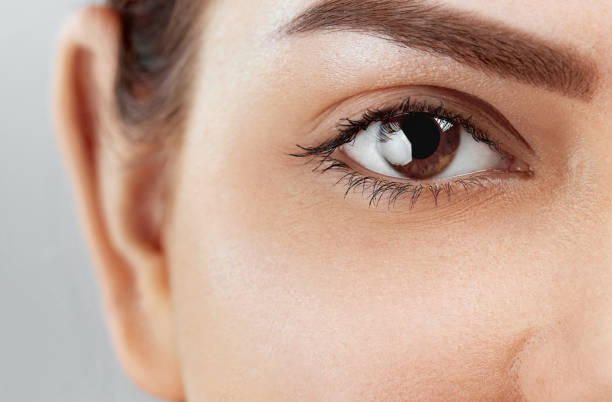
Sensitive skin requires special consideration when choosing cosmetic treatments, particularly in delicate areas such as the skin beneath the eyes. This region is naturally thinner and more fragile than many other parts of the face, making treatment selection and individual suitability especially important. Under-eye fillers are commonly considered by individuals who want to improve hollow areas, reduce the appearance of tiredness, and create a smoother transition between the lower eyelids and cheeks. However, people with sensitive skin may have additional concerns about treatment compatibility and skin response. Exploring Under Eye Fillers in Abu Dhabi can help individuals understand the available approaches, the importance of personalized assessments, and whether this cosmetic procedure may be suitable for their skin characteristics. Although sensitive skin does not automatically prevent someone from considering fillers, careful evaluation is essential.
Understanding Sensitive Skin Around the Eyes
Sensitive skin is generally more reactive to environmental conditions, skincare ingredients, and cosmetic procedures. Individuals with this skin type may experience redness, irritation, dryness, or discomfort more easily than others. The under-eye area is particularly delicate because its skin is thinner, contains fewer oil glands, and has a different structural composition compared with other facial regions.
These characteristics make the area more vulnerable to visible changes and require an appropriate approach when considering aesthetic treatments. Sensitivity can also vary significantly between individuals. Some people experience occasional irritation, while others have persistent skin reactivity that requires additional attention.
Understanding the nature of your skin is therefore an important part of determining whether under-eye fillers are an appropriate option. A professional assessment can help distinguish general skin sensitivity from other underlying conditions that may influence treatment suitability.
How Do Under Eye Fillers Work?
Under-eye fillers are injectable treatments commonly formulated with hyaluronic acid, a substance naturally found in the body that helps maintain hydration and volume. When appropriately administered, these fillers can restore volume in hollow areas beneath the eyes and improve the appearance of the transition between the lower eyelids and upper cheeks.
As volume changes occur with age or natural facial structure, the under-eye region may develop a sunken appearance. This can create shadows that make someone look tired even when they feel well-rested. Fillers are designed to address certain types of volume-related concerns by providing additional support beneath the skin.
The treatment is not primarily intended to change the skin’s natural sensitivity or address every concern affecting the under-eye region. Its suitability depends on the underlying cause of the visible concern, skin characteristics, and individual facial anatomy.
Are Under Eye Fillers Appropriate for Sensitive Skin?
Sensitive skin does not necessarily mean that under-eye fillers are unsuitable. Many individuals with naturally delicate skin may be considered for this treatment following an appropriate assessment. However, the condition of the skin and the individual’s overall suitability must be evaluated before proceeding.
The distinction between naturally sensitive skin and actively irritated skin is particularly important. Someone who occasionally experiences dryness or mild sensitivity may have different considerations from an individual experiencing ongoing inflammation or irritation around the eyes. The latter situation may require attention before any cosmetic procedure is considered.
The selected filler formulation, injection technique, treatment depth, and amount of product can also influence the overall approach. A personalized treatment plan helps account for the delicate structure of the under-eye region while addressing the individual’s aesthetic goals.
Why Does Skin Assessment Matter Before Treatment?
A detailed skin assessment is especially important for individuals with sensitive skin. Before considering fillers, the treatment provider should understand the person’s skin history, previous cosmetic treatments, and any recurring concerns affecting the under-eye area.
The assessment may include examining skin texture, hydration, elasticity, and the presence of hollowness. These characteristics help determine whether the visible concern is primarily related to volume loss or another factor. For example, dark circles caused by pigmentation or visible blood vessels may not improve significantly through volume replacement.
Understanding the underlying concern prevents unrealistic expectations and helps identify whether fillers are an appropriate option. It also allows the treatment approach to be adapted to the delicate characteristics of the skin beneath the eyes.
Choosing the Right Filler for Delicate Skin
The choice of filler is an important consideration when treating the under-eye region. Hyaluronic acid fillers are frequently used because they are available in different formulations with varying degrees of firmness, flexibility, and water-attracting properties.
For the under-eye area, the selected product should be appropriate for the thin tissue and subtle contours of the region. A formulation that provides natural-looking volume without creating unnecessary heaviness is generally an important consideration.
Individuals with sensitive skin should discuss the ingredients and characteristics of the proposed filler during their consultation. Previous reactions to injectable products or cosmetic ingredients should also be communicated. The aim is to select an approach that considers both the skin’s characteristics and the desired aesthetic outcome.
What Should You Expect During the Treatment Process?
Under-eye filler treatment generally begins with an assessment of the facial structure and the concerns affecting the lower eyelid area. Once suitability has been established, the treatment area is prepared according to the selected procedure.
The filler is then carefully introduced into the targeted region using an appropriate injection technique. Because the under-eye area contains delicate tissues and important anatomical structures, precision and an understanding of facial anatomy are essential.
The objective is to restore subtle volume while maintaining the natural appearance of the face. Excessive correction is generally avoided because the under-eye region requires a balanced and carefully controlled approach.
Individuals with sensitive skin should communicate their concerns throughout the process and follow the personalized instructions provided for the treated area. Understanding each stage can make the experience more predictable and help establish realistic expectations.
Can Sensitive Skin Affect the Final Results?
Skin sensitivity does not necessarily determine how effective under-eye fillers will be. The final appearance is influenced by several factors, including the original degree of hollowness, skin thickness, facial anatomy, filler characteristics, and the treatment technique.
Individuals with thin under-eye skin may require a particularly conservative approach because filler visibility and contour irregularities can be more noticeable in this region. Similarly, people whose primary concern is pigmentation rather than volume loss may not achieve their desired improvement through fillers alone.
A suitable treatment plan focuses on creating natural-looking results that complement the individual’s facial proportions. Understanding these limitations is important for anyone considering under-eye fillers, especially those with delicate or reactive skin.
Maintaining Realistic Expectations With Under Eye Fillers
Having realistic expectations is an essential part of deciding whether under-eye fillers are appropriate. The treatment may improve hollow areas and create a smoother facial transition, but it cannot address every cause of under-eye darkness, puffiness, or skin texture changes.
Individuals with sensitive skin should place particular importance on personalized assessments and appropriate product selection. The goal should be subtle improvement rather than dramatic alteration of the natural facial structure.
It is also important to understand that the suitability of fillers varies from person to person. A treatment that works well for one individual may not be the most appropriate choice for another. Considering personal skin characteristics, facial anatomy, and aesthetic objectives helps support a more informed decision.
Final Thoughts
Under-eye fillers may be suitable for certain individuals with sensitive skin, but careful evaluation is essential before considering treatment. Natural skin sensitivity alone does not automatically rule out the procedure. However, skin condition, filler formulation, facial anatomy, and the underlying cause of under-eye concerns all influence suitability.
A personalized approach can help identify whether volume restoration is appropriate and establish realistic expectations for the outcome. By understanding the treatment process and considering the specific needs of delicate under-eye skin, individuals can make informed decisions about improving their appearance while maintaining natural facial balance.
FAQs
Are under-eye fillers safe for sensitive skin?
Some individuals with sensitive skin may be suitable candidates, depending on their skin condition, medical history, and individual assessment.
Does sensitive skin affect filler results?
Sensitive skin does not automatically affect the final aesthetic outcome. Skin thickness, facial anatomy, and filler selection are also important factors.
Which fillers are commonly used under the eyes?
Hyaluronic acid-based fillers are commonly considered because they provide volume and hydration.
Can under-eye fillers improve dark circles?
They may improve dark circles caused by hollowness and shadows, but they are not designed to address every type of pigmentation.
Is a consultation necessary before under-eye fillers?
Yes. An individual assessment helps determine suitability, understand skin characteristics, and select an appropriate treatment approach.