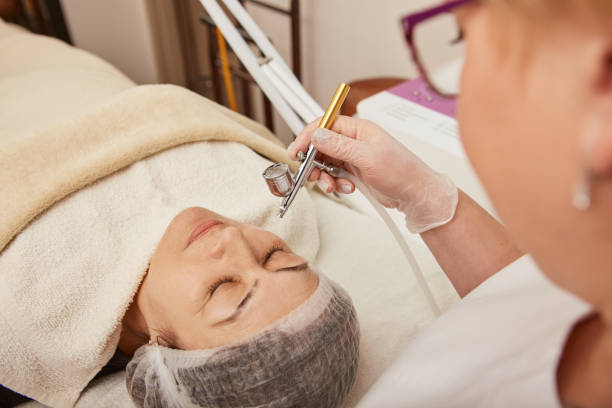
Healthy, refreshed, and radiant-looking skin is a common skincare goal, but different skin types often respond differently to facial treatments. Some individuals have sensitive skin, while others experience dryness, excess oil, uneven texture, or concerns related to dehydration. Oxygen-based skincare treatments have gained attention for their refreshing approach to improving the overall appearance of the complexion. An oxygen facial in Abu Dhabi is designed to deliver oxygen-focused skincare ingredients to the skin’s surface, helping support hydration and a refreshed appearance. Although this treatment is generally considered suitable for many skin types, its suitability depends on individual skin conditions, sensitivities, and the products and techniques involved.
What Is an Oxygen Facial Treatment?
An oxygen facial is a non-invasive skincare treatment designed to refresh the skin and improve its overall appearance. It typically involves applying oxygen through a specialized device, often alongside hydrating serums and skincare ingredients. These products may contain components such as hyaluronic acid, antioxidants, and vitamins that help support skin hydration and improve its surface texture.
The treatment focuses on creating a refreshed and smoother-looking complexion without relying on aggressive exfoliation or intensive procedures. It is commonly considered by individuals who want to improve the appearance of dullness, dehydration, and uneven skin texture. The exact process can vary depending on the equipment and skincare formulations used.
Is an Oxygen Facial Safe for All Skin Types?
Oxygen facials are generally suitable for many different skin types because they are designed to provide a gentle skincare experience. However, this does not mean that every individual will respond in exactly the same way. Normal, dry, oily, combination, and some sensitive skin types may benefit from the treatment when the products and techniques are appropriately selected.
Skin suitability depends on several factors, including the current condition of the skin, existing sensitivities, and individual skincare requirements. For example, someone with healthy skin may tolerate the treatment differently from someone experiencing active irritation or significant skin sensitivity.
A proper skin assessment helps determine whether an oxygen facial is appropriate. Selecting suitable skincare products and adjusting the treatment approach can also help create a more comfortable experience.
Can People With Sensitive Skin Get an Oxygen Facial?
People with sensitive skin may be able to receive an oxygen facial, provided the treatment is adapted to their individual needs. Sensitive skin can react more easily to certain skincare ingredients, fragrances, cleansing products, and environmental factors. Therefore, understanding the skin’s sensitivity is an important part of determining treatment suitability.
The gentle nature of many oxygen facial techniques makes them an option worth considering for individuals who prefer less intensive skincare procedures. However, the products used during the treatment are equally important. Ingredients that are suitable for one person may not be appropriate for another.
A skin evaluation and consideration of ingredient sensitivities can help establish whether the treatment is suitable. Individuals experiencing active irritation or unusual skin reactions should have their skin condition assessed before proceeding.
Is an Oxygen Facial Suitable for Oily and Acne-Prone Skin?
Oily skin produces more sebum than necessary, which can contribute to visible shine and clogged pores. People with oily skin may consider oxygen facials as part of a skincare approach focused on improving hydration and refreshing the complexion.
The treatment may help the skin appear cleaner and more balanced when combined with suitable cleansing and skincare formulations. However, an oxygen facial is not specifically designed to control excessive oil production or treat acne.
For acne-prone skin, treatment suitability depends on the type and severity of the existing concerns. Individuals with active breakouts or inflamed areas may require a more carefully selected approach. Gentle products and appropriate treatment techniques are important when addressing skin that is prone to congestion.
Can Dry Skin Benefit From Oxygen Facial Treatments?
Dry skin often lacks sufficient moisture, making it appear rough, tight, or less radiant. Oxygen facial treatments commonly incorporate hydrating skincare products that help improve the appearance and feel of dehydrated skin.
Ingredients such as hyaluronic acid are frequently used because they attract and retain moisture within the skin’s surface layers. When combined with an appropriate facial technique, these formulations can help create a smoother and more refreshed appearance.
Individuals with dry skin may find this treatment appealing because it focuses on hydration rather than intensive resurfacing. However, the results depend on the products used and the underlying condition of the skin. A suitable skincare approach should address the individual’s hydration requirements.
Is an Oxygen Facial Appropriate for Combination Skin?
Combination skin usually includes both oily and dry areas. The forehead, nose, and chin may produce more oil, while the cheeks can feel dry or dehydrated. This difference makes selecting suitable facial treatments particularly important.
An oxygen facial may be appropriate for combination skin because its approach can incorporate hydrating products without necessarily relying on heavy formulations. The treatment can be adjusted according to the different needs of the facial areas.
For example, lightweight hydration may be preferred in areas that become oily, while additional moisture may be useful for drier regions. A personalized approach helps maintain a more balanced-looking complexion without treating every area of the face in exactly the same way.
What Factors Determine Oxygen Facial Suitability?
Several factors influence whether an oxygen facial is suitable for an individual. Skin type is important, but the current condition of the skin also plays a major role. Someone with naturally sensitive skin may tolerate certain products comfortably, while another person with the same skin type may have specific ingredient sensitivities.
The skincare products used during the procedure, the intensity of the application, and the equipment involved can also influence the overall experience. Existing skin concerns, including active irritation, inflammation, or compromised skin barriers, should be considered before treatment.
A personalized assessment helps identify appropriate products and techniques. It also allows individuals to understand what the treatment can realistically achieve based on their skin’s characteristics.
How Can You Prepare for an Oxygen Facial?
Preparing for an oxygen facial involves understanding the skin’s current needs and ensuring that the selected treatment is appropriate. Before the session, it is helpful to discuss existing skincare sensitivities, ingredient allergies, and any ongoing skin concerns during the consultation.
The skin should be evaluated to determine whether additional care or adjustments are needed. Harsh skincare procedures or intensive exfoliation immediately before a facial may not be appropriate for individuals with sensitive or easily irritated skin.
Following the recommended preparation guidance helps create a more suitable treatment experience. Clear communication about skincare preferences and previous reactions to facial products also supports better treatment planning.
What Results Can Different Skin Types Expect From an Oxygen Facial?
The results of an oxygen facial can vary according to skin type and individual needs. People with dry skin may notice a more hydrated appearance, while those with dull skin may appreciate a refreshed and brighter-looking complexion.
Individuals with combination or oily skin may experience a cleaner-feeling surface and improved hydration when appropriate products are used. Sensitive skin may also benefit from a gentle approach, provided the selected ingredients are well tolerated.
The treatment is primarily intended to improve the skin’s surface appearance and hydration rather than permanently change its natural characteristics. Understanding these realistic outcomes helps individuals decide whether an oxygen facial matches their skincare goals.
Final Thoughts
Oxygen facial treatments can be suitable for many skin types, including normal, dry, oily, combination, and some sensitive skin. Their focus on hydration and refreshing the complexion makes them an option for individuals seeking a gentle skincare experience. However, safety and suitability depend on the skin’s current condition, ingredient compatibility, and the techniques used during treatment. A personalized skin assessment is essential for determining the most appropriate approach. By considering individual skin requirements and selecting suitable formulations, people can make more informed decisions about including oxygen facials in their skincare routines.
FAQs
Are oxygen facials suitable for sensitive skin?
Yes, they may be suitable for sensitive skin when gentle techniques and compatible skincare products are selected.
Can oily skin benefit from an oxygen facial?
Yes, an oxygen facial may refresh oily skin and support hydration without necessarily using heavy skincare formulations.
Is an oxygen facial suitable for dry skin?
Yes, hydrating ingredients used during the treatment may help improve the appearance of dry and dehydrated skin.
Can people with acne-prone skin get oxygen facials?
Some people with acne-prone skin may be suitable candidates, depending on the condition of their skin and the treatment products used.
How often should different skin types get oxygen facials?
The recommended frequency depends on individual skin needs, treatment goals, and how the skin responds to each session.