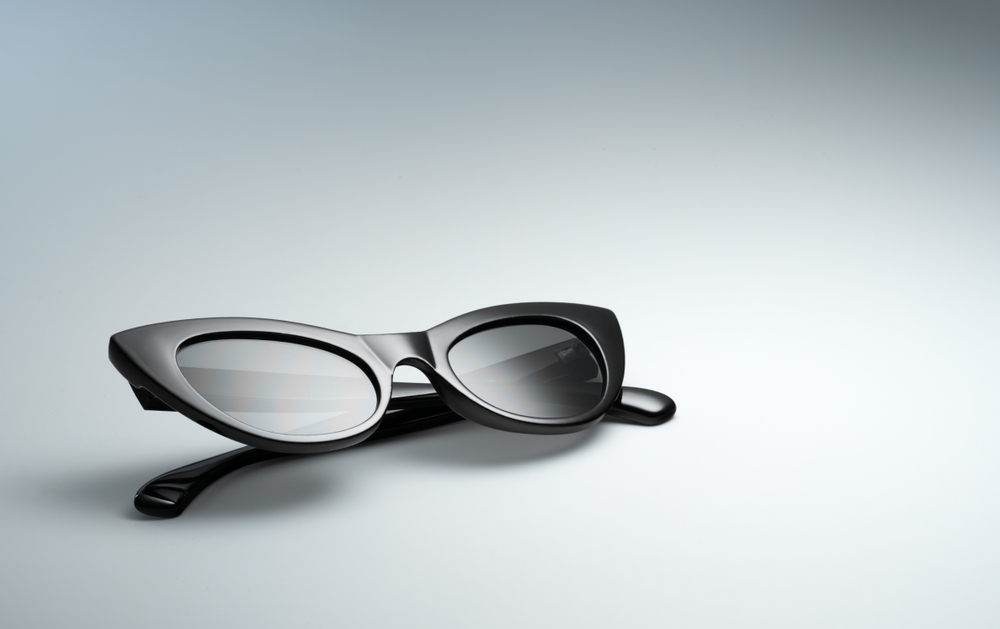
Beautiful,Black,Women's,Or,Men's,Vintage,Or,80s,Sunglasses,On

A buyer in Karachi sees a pair of branded sunglasses listed online at a price that seems much lower than expected. The photographs look convincing, the logo appears correctly placed, and the seller promises delivery within a few days. Still, one question remains: will the product that arrives match the listing? This is a common concern for people shopping for designer eyewear online.

You can find original sunglasses in Pakistan through online listings, but a product photo, brand logo, or attractive discount alone can’t prove authenticity. Buyers need to assess the seller, compare product details, check the model information, and understand the return policy before paying. A careful review of several details is more useful than relying on one apparent sign of authenticity.

Why Can Online Sunglasses Listings Be Difficult to Verify?

Online shopping limits what buyers can examine before making a purchase. A product page may display clear photographs without showing the actual item that will be shipped. Some sellers use manufacturer images, while others upload photographs of their own stock. Neither approach proves that the product is genuine.
A convincing listing can still leave important questions unanswered. Does the seller identify the exact model? Are the frame measurements available? Is the product described as new, used, or refurbished? Are the included case and accessories clearly listed? These details help establish what is being offered, although they do not independently confirm authenticity.
Buyers should treat the listing as a source of information to verify, rather than as proof that every claim is accurate.

How Can You Check the Seller Before Placing an Order?

The seller’s background can provide useful clues about the reliability of a listing. Look for a clear business identity, working contact details, a stated return policy, and product descriptions that answer practical questions. If the seller operates through a marketplace, review the seller profile rather than relying only on the marketplace’s overall reputation.
Customer reviews can help identify patterns involving delivery, product condition, communication, and returns. Read detailed reviews where available, and be cautious if feedback appears repetitive or gives no useful information about the actual purchase. A large number of positive ratings is not conclusive proof that branded eyewear is authentic.
Where possible, compare the seller’s claims with information from the brand or an authorised retailer. If the seller cannot explain the product’s model details or refuses reasonable questions, consider another source.

Do Brand Logos and Packaging Prove Sunglasses Are Genuine?

No. Logos, branded cases, cleaning cloths, boxes, and printed cards can be copied. Their presence may be consistent with a genuine product, but none of these items should be treated as decisive proof of authenticity.
Examine the product information carefully. Check whether the brand name is spelled correctly, whether the stated model matches the photographs, and whether the frame colour and measurements correspond to the listed specifications. If the seller provides a model code, compare it with information from the brand or a reputable retailer.
Small differences deserve attention, but avoid drawing a final conclusion from one detail alone. Product designs and packaging can vary between collections and markets. When a feature seems unusual, ask the seller for clarification or seek confirmation through an appropriate brand channel.

What Role Do Model Numbers and Product Specifications Play?

A model number helps distinguish one eyewear design from another, including variations in colour, size, and construction.  Compare the frame shape, colour code, lens type, and dimensions wherever reliable specifications are available.
For example, two sunglasses may look similar in a front-facing photograph but have different temple designs or lens dimensions. A matching model number can help narrow the comparison, although a copied code does not establish that the physical item is genuine. Buyers should assess the model information alongside the seller’s credibility, photographs, and purchase documentation.
Clear specifications also help buyers avoid ordering the wrong style or size. A listing that provides precise, consistent details is easier to evaluate than one that relies on vague descriptions and generic images.

What Should You Consider When Buying Sunglasses for Different Wearers?

The intended wearer matters because frame dimensions, face proportions, comfort, and daily activities all influence which sunglasses are suitable. Someone buying eyewear for a teenager or adult woman, for example, may compare glasses frames for girls by looking at lens width, bridge fit, temple length, and frame shape rather than assuming that a particular label guarantees a suitable fit.
The same principle applies to sunglasses for men and women. Frame categories can help narrow the options, but measurements provide more practical guidance. Check whether the arms sit comfortably, whether the frame slips during movement, and whether the lenses provide adequate coverage. For children’s eyewear, fit and suitable protection deserve particular attention.
Authenticity and suitability are separate questions. A genuine pair may still be uncomfortable or poorly suited to the wearer, so buyers should verify the product and assess its fit before making a final decision.

Does a Very Low Price Mean the Sunglasses Are Fake?

Not necessarily. Prices can vary because of seasonal discounts, older collections, stock clearance, import expenses, exchange rates, or differences between retailers. A lower price is a reason to investigate the listing, not automatic proof that the product is counterfeit.
Compare the same model and colour across several sellers. Check whether the quoted price includes the case, accessories, delivery, taxes, and any additional services. A comparison between different models can be misleading because materials, construction, and collection details may differ.
Be especially cautious when a seller advertises a large discount but provides little information about the product’s origin or return conditions. Avoid making a purchase based only on urgency messages or claims that a deal will disappear immediately. A reasonable explanation for the price should be supported by clear product details.

How Can You Assess Lens Quality and UV Protection?

Sunglasses should be evaluated for their optical function as well as their appearance. Lens colour, mirrored finishes, and brand markings do not establish the level of ultraviolet protection. Buyers should look for clear specifications stating that the lenses provide 100% UVA and UVB protection or UV400 protection.
If the listing mentions polarisation, remember that polarised lenses reduce reflected glare, but polarisation does not automatically confirm UV protection. These are separate features. Someone who drives or spends considerable time outdoors may want both glare reduction and verified UV protection.
Ask the seller for the lens specifications if they are missing. If the information cannot be verified, consider buying from a source that clearly documents the lens features. Do not assume that a higher price or a familiar brand name guarantees suitable UV filtering.

Which Return and Payment Policies Should You Check?

A clear return policy helps buyers understand what happens if the wrong model arrives, the product is damaged, or the item differs from its description. Read the conditions before paying, including the return window, requirements for original packaging, refund method, and any return shipping charges.
Payment options can also affect the purchasing experience. Use payment methods that provide a record of the transaction, and keep the order confirmation, invoice, product listing, and seller correspondence. If cash on delivery is available, remember that it does not automatically guarantee authenticity; the inspection conditions may also be limited.
Before completing the order, confirm the expected delivery time and how to contact the seller if there is a problem. Clear policies do not prove a product is genuine, but they make the buyer’s rights and next steps easier to understand.

What Warning Signs Should You Look for in an Online Listing?

A listing may deserve extra scrutiny if several details are missing or inconsistent. Rather than judging the seller by a single feature, look at the complete picture.
  • The model number is missing or does not match the described product.
  • The photographs show different frame colours or shapes.
  • The seller makes authenticity claims but provides no useful supporting information.
  • The price is unusually low without a clear explanation.
  • Contact details, delivery terms, or return conditions are unclear.
  • The seller avoids questions about the product’s origin or specifications.
These signs are reasons to investigate further, not definitive proof of counterfeiting. Some legitimate listings have limited photographs or incomplete descriptions. The important step is to resolve unanswered questions before making payment.

What Is the Safest Way to Buy Sunglasses Online in Pakistan?

A careful purchase starts with identifying the exact model and choosing a seller whose details can be checked. . If the product is expensive, consider contacting the brand or an authorised retailer to ask how the model can be verified.
Use this final checklist before ordering:
Seller identity and contact details Helps establish who is responsible for the sale
Model number and specifications Helps confirm the advertised design
Product photographs Allows comparison of visible details
UV protection information Helps assess the lenses’ protective function
Return and refund terms Clarifies options if a problem occurs
Invoice and payment record Provides documentation of the transaction
After delivery, compare the received item with the listing and retain the packaging and invoice until you are satisfied. If the product appears inconsistent with the description, contact the seller promptly and use the applicable return or dispute process.

Frequently Asked Questions

Are online listings reliable for buying original sunglasses in Pakistan?

Some are, but reliability depends on the seller and the evidence provided. Check model details, seller information, return terms, and any available confirmation of authenticity before ordering.

Can a model number confirm that sunglasses are original?

A matching model number helps identify the design, but counterfeit products can copy genuine codes. Use it alongside seller verification and other product details.

Are branded sunglasses with very low prices always fake?

No. Discounts and older stock can explain lower prices. However, unusually low prices combined with vague specifications or unclear return policies warrant extra caution.

How can I check UV protection when buying sunglasses online?

Look for a clear statement of 100% UVA and UVB protection or UV400. If the listing is unclear, ask the seller for the lens specifications before purchasing.

What should I do if the delivered sunglasses do not match the listing?

Keep the invoice, packaging, photographs, and order confirmation. Contact the seller promptly and follow the stated return or dispute process. Avoid altering the product while the issue is being resolved.

Final Thoughts

Online listings can help buyers compare sunglasses, but photographs and brand logos are not enough to establish authenticity. Checking the seller, matching the model information, reviewing the lens specifications, and understanding the return policy provide a stronger basis for a decision. For buyers in Pakistan, the safest approach is to verify several details together and avoid rushing into a purchase because of an unusually attractive price.

Leave a Reply

Your email address will not be published. Required fields are marked *