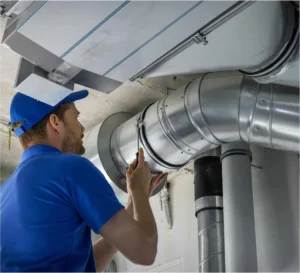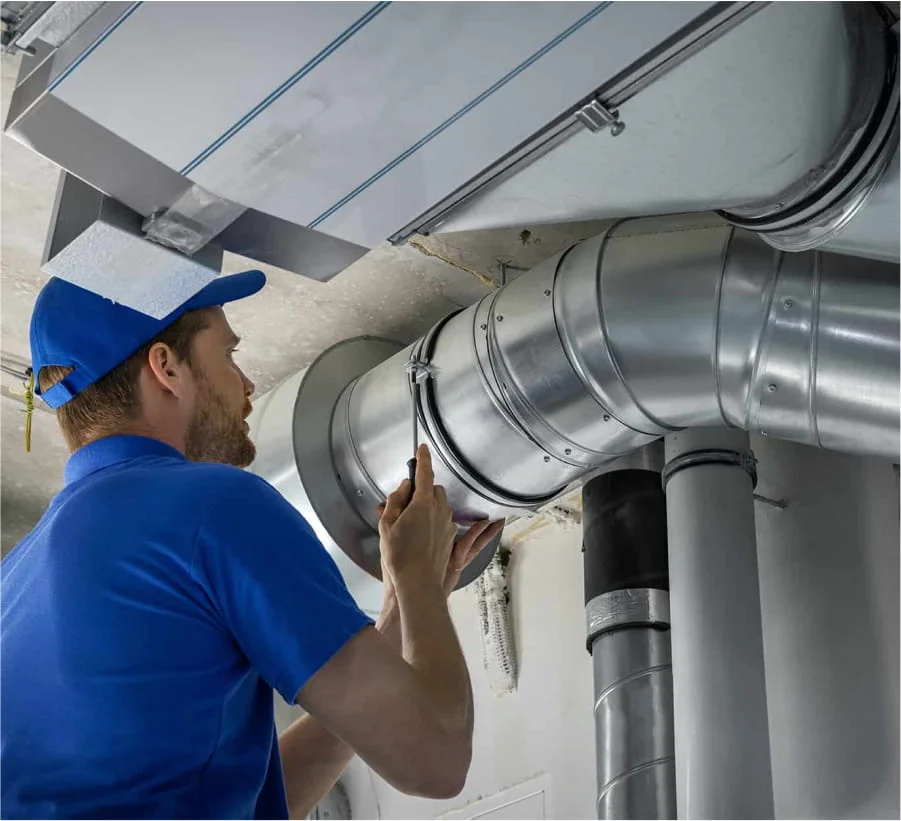
Your air conditioner might be working perfectly, but what happens when the cool air never reaches your rooms properly? You lower the thermostat, wait for the temperature to drop, and wonder why your electricity bill keeps climbing. The problem might not be your air conditioning unit at all. It could be the ductwork hidden inside your ceiling, walls, or underfloor spaces. This is where air conditioning duct replacement becomes an important consideration for maintaining indoor comfort and improving system performance.
Air conditioning ducts distribute cooled or heated air throughout a property. Over time, these ducts can develop leaks, deteriorate, become disconnected, or lose insulation effectiveness. When this happens, your air conditioning system may struggle to maintain consistent temperatures.
Damaged ductwork can also contribute to unnecessary energy consumption, uneven airflow, and reduced indoor comfort.
Whether you own a residential property, manage a commercial building, or are planning an HVAC renovation, understanding when duct replacement is necessary can help you make informed decisions.
This comprehensive guide explores everything you need to know about air conditioning duct replacement, including warning signs, installation methods, costs, materials, energy efficiency, maintenance, and frequently asked questions.
What Is Air Conditioning Duct Replacement?
Air conditioning duct replacement involves removing or abandoning damaged, deteriorated, or unsuitable ductwork and installing new ducts that distribute conditioned air throughout a building.
Ductwork is an essential component of many central and ducted air conditioning systems. It connects the heating or cooling equipment to different rooms through a network of supply ducts, return ducts, vents, and fittings.
When ductwork becomes damaged, air may escape into unconditioned spaces rather than reaching the intended rooms.
Professional air conditioning duct replacement addresses these problems by installing appropriately sized and sealed ducts.
The process may involve replacing individual sections or redesigning an entire duct distribution system.
Common duct materials include flexible insulated ducting, sheet metal ducts, and rigid fibreglass duct board.
Each material has different characteristics relating to installation, durability, insulation, and airflow performance.
Not every duct problem requires complete replacement. Minor leaks, loose connections, or damaged insulation may sometimes be repaired.
A professional inspection can determine whether repair or replacement is the more appropriate option.
Why Air Conditioning Duct Replacement Is Important
Ductwork plays a significant role in determining how efficiently conditioned air reaches different areas of a property.
Even a high-quality air conditioning system can perform poorly when connected to damaged or incorrectly designed ducts.
Leaking ducts allow cooled or heated air to escape before reaching occupied rooms.
This can increase the amount of time the system needs to operate to maintain the desired temperature.
Professional air conditioning duct replacement can help restore effective air distribution when existing ducts are beyond practical repair.
Correctly designed ductwork also supports balanced airflow.
Without proper airflow, some rooms may become excessively warm while others remain too cold.
Duct condition can influence indoor air quality as well.
Leaks in return ducts located in dusty roof cavities or other unconditioned spaces may draw contaminants into the air distribution system.
However, replacing ductwork does not automatically resolve every indoor air quality concern.
Filtration, ventilation, moisture control, and regular maintenance also contribute to a healthy indoor environment.
The primary goal of duct replacement is to restore reliable air distribution while supporting comfort and appropriate HVAC operation.
Common Signs You Need Air Conditioning Duct Replacement
Ductwork is often concealed, making problems difficult to identify without an inspection.
Fortunately, several warning signs may indicate that the system requires attention.
One common symptom is uneven room temperatures.
If certain rooms remain uncomfortable despite the air conditioner operating normally, damaged or poorly designed ductwork may be contributing to the problem.
Weak airflow from supply vents is another possible indicator.
Leaks, crushed flexible ducts, blockages, and disconnected sections can restrict the amount of conditioned air reaching a room.
Unexpected increases in electricity consumption may also justify an investigation.
However, higher energy bills can result from many factors, including weather, thermostat settings, insulation, and equipment performance.
Professional air conditioning duct replacement may be recommended when an inspection identifies extensive deterioration.
Other warning signs include:
- Visible tears or holes in accessible ductwork
- Disconnected or sagging flexible ducts
- Damaged or missing duct insulation
- Excessive dust entering through compromised return ducts
- Persistent airflow problems after other causes have been ruled out
- Evidence of moisture damage or contamination
These symptoms do not automatically mean complete replacement is necessary.
A qualified technician should assess the ductwork before recommending major work.
What Causes Air Conditioning Ductwork to Deteriorate?
Air conditioning ducts are designed to operate for many years, but their condition can decline because of environmental exposure, installation problems, and physical damage.
One common cause is ageing.
Flexible duct materials, insulation, adhesives, and seals can deteriorate over time, particularly in roof cavities exposed to high temperatures.
Poor installation can also contribute to premature failure.
Ducts that are stretched excessively, sharply bent, poorly supported, or incorrectly connected may experience airflow restrictions or damage.
Rodents and other pests can sometimes damage flexible ducting or insulation.
Moisture is another concern.
Condensation, roof leaks, or inadequate insulation may contribute to deterioration and microbial growth on susceptible materials.
In these situations, air conditioning duct replacement may be necessary after the moisture source has been identified and corrected.
Renovations can also create ductwork problems.
Changes to room layouts, ceiling spaces, or air conditioning equipment may leave existing ducts incorrectly sized or poorly positioned.
Understanding the cause of deterioration helps ensure that new ductwork does not experience the same problems.
Benefits of Professional Air Conditioning Duct Replacement
Replacing damaged ductwork can provide several practical benefits when the existing system has significant defects.
One potential advantage is improved airflow.
Properly sized and installed ducts can help deliver conditioned air more consistently throughout the property.
Another benefit is reduced air leakage.
When duct connections are sealed correctly, less conditioned air escapes into roof cavities, wall spaces, or other unconditioned areas.
Professional air conditioning duct replacement may also improve temperature consistency between rooms.
However, results depend on the complete HVAC system, including equipment capacity, insulation, airflow balancing, and building design.
New insulated ducts can help reduce unwanted heat gain or loss during air distribution.
This is particularly relevant when ductwork passes through hot roof spaces.
Replacing contaminated or deteriorated duct materials may also be appropriate when cleaning or repair is not feasible.
Modern duct installation can provide an opportunity to correct design problems such as excessive duct lengths, unnecessary bends, and inadequate return airflow.
The greatest benefits generally occur when replacement is based on a proper assessment rather than simply installing new materials in the same configuration.
Different Types of Air Conditioning Duct Materials
Choosing the right duct material is an important part of successful replacement.
Different materials offer advantages depending on the property, installation space, and air conditioning system.
Flexible Insulated Ducts
Flexible ducts are commonly used in residential ducted air conditioning systems.
They are lightweight and can be routed through roof cavities and other confined spaces.
However, they must be supported correctly and installed without excessive compression or sharp bends.
Sheet Metal Ducts
Sheet metal ductwork is commonly manufactured from galvanised steel or aluminium.
It offers structural strength and can be suitable for both residential and commercial applications.
Metal ducts may require external insulation depending on their location and operating conditions.
Rigid Fibreglass Duct Board
Fibreglass duct board combines duct construction and insulation in a rigid material.
Its suitability depends on the application, local requirements, and installation practices.
Insulated Rigid Duct Systems
Some installations use rigid pre-insulated duct panels or specialised duct products.
These may be useful where space, thermal performance, or construction requirements influence material selection.
When planning air conditioning duct replacement, the best material should be selected according to airflow requirements, building conditions, durability, and applicable standards.
How the Air Conditioning Duct Replacement Process Works
Professional duct replacement generally begins with a detailed inspection of the existing air distribution system.
The technician examines accessible ducts, connections, insulation, vents, and the air conditioning equipment.
They may assess airflow, static pressure, duct leakage, and other performance indicators.
If replacement is recommended, the next step involves planning the new duct layout.
Professional air conditioning duct replacement should account for room requirements, duct dimensions, available installation space, and system capacity.
The installer then removes or safely isolates the old ductwork as appropriate.
Damaged materials should be handled carefully, especially when contamination or hazardous building materials are suspected.
New ducts are installed according to the approved design.
Connections must be properly secured and sealed, while insulation should be continuous where required.
Flexible ducts need adequate support to prevent sagging and airflow restrictions.
After installation, the system should be tested.
Airflow measurements, leakage checks, and balancing adjustments can help confirm that the new ductwork is operating as intended.
Air Conditioning Duct Replacement Cost in Australia
The cost of duct replacement varies considerably depending on property size, duct material, accessibility, system complexity, and the amount of work required.
Replacing a short damaged section is generally less expensive than installing an entirely new duct network.
For general budgeting in Australia, limited duct repairs or sectional replacement may cost a few hundred dollars, while extensive residential duct replacement can cost several thousand dollars.
These are broad planning estimates rather than verified current market quotations.
The final air conditioning duct replacement cost depends on several factors.
A large property with multiple zones typically requires more ductwork and installation labour than a smaller home.
Roof cavity accessibility can also influence pricing.
Tight spaces, difficult access, or complicated duct routes may increase labour requirements.
Additional work may include replacing outlets, upgrading insulation, modifying plenums, or correcting airflow distribution.
Commercial duct replacement can involve greater complexity because of larger systems and building requirements.
When comparing quotations, ask whether the price includes design, removal, new duct materials, insulation, sealing, testing, and commissioning.
A detailed written quotation helps prevent misunderstandings about the scope of work.
Should You Repair or Replace Your Air Conditioning Ducts?
Not every duct problem requires a complete replacement.
In some cases, repairing a damaged section may restore performance at a lower cost.
For example, a loose connection or small leak may be addressed through appropriate resealing.
A short section of damaged flexible duct may also be replaced without disturbing the entire network.
However, extensive deterioration can make repeated repairs impractical.
Professional air conditioning duct replacement may be the better option when ducts are severely damaged, incorrectly sized, contaminated beyond practical cleaning, or approaching the end of their useful service life.
The decision should consider both immediate repair costs and long-term performance.
Repeatedly repairing ageing ducts may become expensive if new problems continue to appear.
On the other hand, replacing an otherwise functional duct system can create unnecessary expense.
A qualified HVAC technician can inspect the existing installation and explain the available options.
The most appropriate solution should address the underlying problem while avoiding work that does not provide meaningful benefits.
How Air Conditioning Duct Replacement Improves Energy Efficiency
Energy efficiency is one of the main reasons property owners consider replacing deteriorated ductwork.
When ducts leak, conditioned air may escape before reaching occupied spaces.
The air conditioning system may then operate longer to maintain the thermostat setting.
New ductwork with appropriate sealing and insulation can reduce these distribution losses.
However, air conditioning duct replacement does not guarantee a specific percentage reduction in electricity bills.
Energy savings depend on the original duct condition, climate, equipment efficiency, insulation, and how the system is used.
Duct design is also important.
Undersized ducts can create excessive resistance to airflow, while poorly arranged layouts may reduce distribution efficiency.
Appropriate duct sizing helps the system deliver the required airflow without unnecessary pressure losses.
Insulation reduces unwanted heat transfer when ducts pass through unconditioned spaces.
For example, insulated ducts in a hot roof cavity can help limit heat gain into cooled supply air.
Testing and balancing after installation can help verify that airflow is distributed appropriately.
A comprehensive approach provides a better opportunity for efficiency improvements than replacing ducts without reviewing the overall system.
Air Conditioning Duct Replacement for Residential Properties
Residential ducted air conditioning systems are designed to distribute conditioned air to multiple rooms.
In many Australian homes, flexible insulated ducting is installed within the roof cavity.
Over time, exposure to heat, pests, moisture, and physical disturbance can affect its condition.
Residential air conditioning duct replacement may be appropriate when ductwork develops widespread leaks, loses insulation effectiveness, or no longer supports the household’s comfort requirements.
Home renovations can also create a need for duct modifications.
For example, converting a living area into additional bedrooms may change airflow requirements.
Similarly, replacing an old air conditioning unit with a different model may require reassessment of the existing ducts.
Homeowners should consider whether all rooms receive adequate airflow and whether the current zoning arrangement remains suitable.
A professional inspection can identify opportunities to improve duct layout and distribution.
However, duct replacement should not be treated as a substitute for correcting poor building insulation, unsuitable equipment capacity, or thermostat problems.
The best results come from evaluating the complete heating and cooling system.
Commercial Air Conditioning Duct Replacement
Commercial buildings often have more complex duct networks than residential properties.
Offices, retail stores, restaurants, healthcare facilities, and industrial premises may require extensive air distribution systems.
Commercial ductwork must support the building’s heating, cooling, and ventilation requirements.
When ducts become damaged or unsuitable, occupants may experience uncomfortable temperatures, airflow problems, or increased operating costs.
Commercial air conditioning duct replacement requires careful planning to minimise disruption.
Work may need to be scheduled outside normal business hours or completed in stages.
The replacement design should consider building occupancy, ventilation requirements, fire safety provisions, and applicable building standards.
Large systems may also require specialised testing and balancing.
Commercial property managers should obtain detailed assessments before approving major duct replacement projects.
In some cases, targeted repairs or modifications may provide sufficient improvement.
In others, extensive replacement may be necessary because of deterioration, building alterations, or system redesign.
Qualified HVAC contractors can help determine the appropriate scope of work.
How Long Does Air Conditioning Ductwork Last?
The useful lifespan of ductwork varies according to material, installation quality, environmental conditions, and maintenance.
Some well-installed rigid metal duct systems can remain serviceable for decades.
Flexible insulated ducting may have a shorter useful life, particularly when exposed to high temperatures, pests, or physical damage.
There is no universal replacement age that applies to every duct system.
Instead, air conditioning duct replacement should be considered when inspection findings demonstrate significant deterioration or performance problems.
Factors affecting duct lifespan include insulation condition, moisture exposure, support quality, air leakage, and mechanical damage.
For example, flexible ducts that sag excessively may develop airflow restrictions even when the material itself has not completely failed.
Similarly, poorly sealed metal ducts may lose conditioned air despite remaining structurally sound.
Regular inspections can help identify problems before they become extensive.
Property owners should avoid replacing ductwork solely because it has reached a particular age.
Condition, performance, and repair feasibility are more reliable indicators.
Can Air Conditioning Duct Replacement Improve Indoor Air Quality?
Indoor air quality depends on several factors, including ventilation, filtration, moisture, cleaning practices, and outdoor pollution.
Ductwork can influence indoor air quality when it contains contamination or allows unwanted air to enter the system.
For example, leaks in return ducts may draw dusty air from roof cavities or other unconditioned spaces.
Damaged insulation or moisture-affected duct materials may also require attention.
Professional air conditioning duct replacement can address these specific problems when existing materials are unsuitable for continued use.
However, replacing ducts does not automatically remove all indoor pollutants.
A complete assessment may also involve checking air filters, ventilation rates, moisture sources, and HVAC equipment cleanliness.
If mould is suspected, the underlying moisture problem must be corrected.
Simply replacing affected ducts without addressing condensation or leaks may allow the problem to return.
Property owners should be cautious of claims that duct replacement alone will eliminate allergies or respiratory symptoms.
The benefits depend on the actual condition of the system and the sources of indoor contamination.
How to Choose the Right Air Conditioning Duct Replacement Contractor
Selecting a qualified contractor is essential for achieving reliable results.
Ductwork installation requires more than connecting new materials to an existing air conditioner.
Correct sizing, sealing, insulation, support, and airflow balancing all influence system performance.
When comparing air conditioning duct replacement providers, look for relevant HVAC experience and qualifications.
In Australia, licensing requirements vary by state and territory and depend on the type of work involved.
Ask whether the contractor holds the appropriate licences for the proposed installation.
A reputable provider should inspect the existing system before recommending complete replacement.
They should also explain the reasons for their recommendations.
Request a written quotation that identifies the duct materials, insulation specifications, installation work, and testing procedures.
It is useful to ask whether airflow balancing and commissioning are included.
Customer reviews and previous project experience may provide additional insight into service quality.
Avoid selecting a contractor solely because they offer the lowest price.
Poorly designed ductwork can undermine the performance of an otherwise efficient air conditioning system.
Maintenance Tips to Extend the Life of New Air Conditioning Ducts
Proper maintenance can help preserve ductwork condition and support consistent airflow.
One important measure is maintaining the air conditioning system according to the manufacturer’s recommendations.
Dirty filters can restrict airflow and affect system performance.
Regular filter inspection and replacement or cleaning, as appropriate, helps maintain suitable operating conditions.
After air conditioning duct replacement, property owners should also monitor for changes in airflow and room temperatures.
Unexpected reductions in performance may indicate a disconnected duct, damaged section, or another system issue.
Accessible ductwork can be visually inspected for sagging, damaged insulation, and loose connections.
However, entering roof cavities or confined spaces can involve electrical, structural, heat, and access hazards.
Inspections should be performed by appropriately qualified professionals when necessary.
Moisture problems should be addressed promptly.
Roof leaks, condensation, and damaged insulation can shorten the useful life of duct materials.
Pest activity should also be managed because rodents may damage flexible ducts.
Routine HVAC servicing can help identify emerging problems and reduce the likelihood of expensive repairs.
Frequently Asked Questions About Air Conditioning Duct Replacement
1. How much does air conditioning duct replacement cost?
The cost depends on property size, duct materials, accessibility, and the extent of replacement required. Small sectional replacements may cost a few hundred dollars, while complete residential duct replacement can cost several thousand dollars in Australia. Additional work such as insulation upgrades, airflow balancing, or difficult roof access can increase the price. A professional quotation provides the most accurate estimate.
2. How do I know if my air conditioning ducts need replacing?
Common warning signs include weak airflow, uneven room temperatures, visible duct damage, disconnected sections, deteriorated insulation, and persistent air leakage. However, these symptoms may also result from other HVAC problems. A professional inspection can determine whether repair, replacement, or another system adjustment is necessary.
3. How long does air conditioning duct replacement take?
The timeframe depends on the size and complexity of the system. Replacing a short accessible section may take only a few hours, while a complete residential duct network may require one or more working days. Larger commercial projects or difficult access conditions can require substantially more time.
4. Will replacing air conditioning ducts reduce electricity bills?
Replacing severely leaking or poorly insulated ducts may reduce energy losses and improve system efficiency. However, actual savings depend on the condition of the original ductwork, equipment performance, climate, and household usage. A qualified technician can assess whether duct replacement is likely to provide meaningful efficiency improvements.
5. Can I replace air conditioning ducts myself?
Minor visual inspections may be possible for homeowners, but duct replacement is generally best performed by qualified HVAC professionals. Incorrect duct sizing, poor sealing, inadequate insulation, and improper installation can reduce system performance. Roof cavities and electrical equipment may also present safety hazards. Professional installation helps ensure the work meets relevant requirements.
Conclusion: Improve Comfort and Efficiency with Air Conditioning Duct Replacement
Air conditioning ductwork plays an essential role in delivering comfortable indoor temperatures throughout residential and commercial properties.
When ducts become damaged, disconnected, poorly insulated, or unsuitable for the existing system, airflow and energy performance can suffer.
Professional air conditioning duct replacement provides an opportunity to restore effective air distribution, reduce leakage, and address underlying design or installation problems.
However, complete replacement is not always necessary.
A thorough inspection can determine whether targeted repairs, insulation improvements, or system modifications would provide a more practical solution.
Property owners should consider duct condition, airflow requirements, installation quality, and long-term maintenance before making a decision.
Choosing an experienced HVAC contractor is equally important because proper design, sealing, and commissioning influence the performance of the finished system.
If your property experiences persistent airflow problems, uneven temperatures, or visible duct deterioration, arranging a professional assessment is a sensible first step.
With appropriate planning, quality materials, and skilled installation, air conditioning duct replacement can help create a more comfortable indoor environment while supporting reliable heating and cooling performance for years to come.