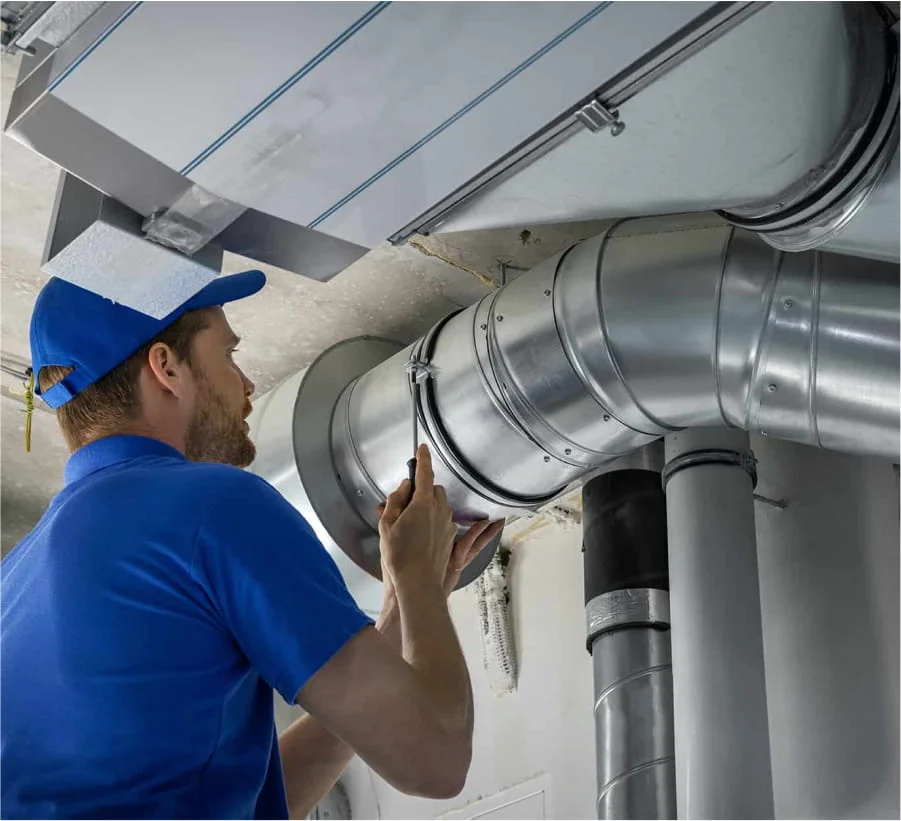
A properly functioning air conditioning system helps maintain a comfortable indoor environment throughout the year. However, even a high-quality air conditioner can struggle when its ductwork becomes damaged, disconnected, or blocked. Problems with ducting can affect airflow, increase energy consumption, and create uncomfortable temperature differences between rooms.
Professional air conditioning duct repairs can help restore the performance of your existing system without necessarily requiring a complete duct replacement. Whether you have a residential ducted air conditioner or a commercial heating and cooling system, maintaining the condition of your ductwork is essential.
Air conditioning ducts distribute cooled or heated air throughout a property. When connections become loose, insulation deteriorates, or ducts develop holes, conditioned air may escape before reaching the intended rooms. This can cause your system to work harder while delivering less effective cooling or heating.
Understanding common ductwork problems can help you identify when repairs are needed. This guide explores the warning signs, common causes, repair methods, benefits, costs, and maintenance practices associated with air conditioning duct systems.
What Are Air Conditioning Duct Repairs?
Air conditioning duct repairs involve identifying and fixing problems within the ductwork that distributes conditioned air throughout a building. The work may include sealing leaks, reconnecting loose ducts, replacing damaged sections, repairing insulation, and removing airflow restrictions.
Ductwork is usually installed in ceiling spaces, roof cavities, walls, or other concealed areas. It connects the air conditioning unit to supply outlets in different rooms.
Over time, duct components can deteriorate due to ageing, moisture, physical damage, poor installation, or insufficient maintenance.
Depending on the condition of the system, a repair may involve a relatively small adjustment or more extensive work across several duct sections.
Professional air conditioning duct repairs focus on restoring the integrity of the duct network while maintaining suitable airflow and insulation. A proper inspection also helps determine whether repairing the existing ducts is practical or whether replacement would be more suitable.
Common Signs Your Air Conditioning Ducts Need Repairs
Ductwork problems are not always easy to identify because much of the system is hidden. However, changes in cooling performance and unusual system behaviour can indicate that something is wrong.
1. Weak Airflow From Air Vents
Weak airflow is one of the most noticeable signs of a potential duct problem.
If your air conditioner is running but only a small amount of air comes through certain vents, a duct may be disconnected, crushed, blocked, or damaged.
Flexible ducting can become compressed when something presses against it. Sharp bends and poorly supported sections can also restrict airflow.
A technician can inspect the affected sections and determine whether adjustments or repairs are required.
2. Uneven Temperatures Between Rooms
Your air conditioning system should distribute conditioned air according to the requirements of its design.
If some rooms remain warm while others become excessively cold, the ductwork may not be distributing air correctly.
Possible causes include:
- Disconnected duct sections.
- Air leakage around joints.
- Blocked or restricted ducts.
- Incorrect duct sizing.
- Damaged dampers or zoning components.
- Poor airflow balancing.
A professional assessment can identify whether the issue originates in the duct network or another part of the air conditioning system.
3. Unusual Noises Around Ductwork
Rattling, whistling, or vibrating sounds may indicate loose duct connections or restricted airflow.
For example, a loose section of ducting may move when the system starts. Whistling sounds can occur when air passes through a restricted opening.
Not every unusual noise indicates duct damage. Fans, motors, filters, and other equipment components can also produce similar sounds.
An inspection can help identify the source.
4. Higher Energy Bills
An unexpected increase in electricity consumption may be associated with leaking or inefficient ductwork.
When conditioned air escapes into a roof cavity or unused space, less air reaches the rooms that need cooling or heating.
The air conditioning system may then operate for longer periods to maintain the selected temperature.
Although electricity costs depend on several factors, checking the ductwork can help identify avoidable air leakage.
5. Dust Around Vents
Excessive dust around air outlets may indicate a problem with filtration, cleaning, or duct connections.
Damaged duct sections can sometimes allow dust from roof cavities or other spaces to enter the air distribution system.
However, dirty filters, poor housekeeping, and inadequate maintenance can also contribute to dust accumulation.
The entire system should be assessed before assuming that duct repairs are necessary.
6. Musty or Unpleasant Odours
Persistent musty smells coming from air conditioning outlets may indicate moisture or contamination somewhere in the system.
Moisture can develop due to condensation, drainage problems, or damp insulation.
Damaged ductwork may also expose insulation to unwanted moisture.
A technician should investigate the source rather than simply sealing the affected area.
7. Visible Duct Damage
If accessible ductwork has tears, cracks, disconnected joints, or damaged insulation, repairs may be required.
Flexible ducts can become damaged through accidental contact, building maintenance, pest activity, or ageing.
Visible deterioration should be assessed before it leads to more extensive airflow problems.
What Causes Air Conditioning Duct Problems?
Several factors can affect the condition and performance of an air conditioning duct system.
Ageing Duct Materials
Ductwork can deteriorate over time. Flexible materials may become brittle, insulation may lose its effectiveness, and connections may weaken.
Older systems may also have installation designs that no longer suit the property’s current layout or cooling requirements.
Regular inspections can help identify deterioration before it significantly affects performance.
Poor Installation
Incorrect installation can create problems from the beginning.
Common installation issues include unsupported duct sections, excessive bends, poorly sealed connections, and unsuitable duct sizing.
These problems can restrict airflow and increase the likelihood of future damage.
Physical Damage
Ductwork installed in roof cavities can be accidentally damaged during electrical work, plumbing maintenance, insulation installation, or other building activities.
Heavy objects placed against flexible ducts may compress them and reduce airflow.
Care should be taken whenever contractors access spaces containing air conditioning equipment.
Moisture and Condensation
Moisture can damage duct insulation and surrounding materials.
Condensation may occur when temperature differences affect poorly insulated ductwork. Drainage problems elsewhere in the system can also contribute to moisture-related concerns.
Wet or deteriorated insulation should be assessed and addressed appropriately.
Pest Activity
Rodents and other pests can damage duct insulation and flexible duct materials.
They may create holes, disturb connections, or introduce contamination into affected areas.
If pest activity is suspected, the underlying cause should be addressed alongside any necessary duct repairs.
Blockages and Airflow Restrictions
Dust accumulation, collapsed flexible ducting, and incorrectly positioned components can restrict airflow.
Although some restrictions may be resolved through cleaning or adjustment, damaged sections may require repair or replacement.
Types of Air Conditioning Duct Repairs
The appropriate repair method depends on the type, location, and extent of the damage.
Duct Leak Sealing
Air leaks can occur around joints, connections, and damaged duct surfaces.
Professional sealing involves identifying the leakage points and using suitable materials to close them.
Proper sealing helps reduce conditioned air escaping into spaces where it is not needed.
Reconnecting Loose Ducts
Duct sections can become disconnected from outlets, branches, or other components.
A technician can reconnect the affected sections and secure them using appropriate fittings and sealing methods.
Restoring these connections helps direct air towards the intended rooms.
Repairing Torn Flexible Ducts
Flexible ducting may develop tears or punctures through accidental damage or general deterioration.
Minor damage may be repairable using suitable materials, depending on the location and condition of the duct.
If the damage is extensive or the material has deteriorated, replacing the affected section may be more appropriate.
Replacing Damaged Insulation
Insulation helps maintain air temperature as conditioned air travels through the duct network.
When insulation becomes wet, compressed, or damaged, it may no longer provide suitable thermal protection.
A repair may involve restoring insulation around the affected section or replacing the damaged duct component.
Correcting Crushed or Restricted Ducts
Flexible ducting can become compressed when it is poorly supported or positioned incorrectly.
A technician may reposition the duct, improve its support, or replace a section that has permanently collapsed.
Restoring the duct’s intended shape can help improve airflow.
Repairing Duct Connections and Supports
Ductwork needs suitable support to prevent unnecessary movement, sagging, and compression.
Loose supports can cause sections to shift and create stress around connections.
Repairing these components helps maintain the stability of the duct network.
Benefits of Professional Air Conditioning Duct Repairs
Damaged ductwork can affect the performance of the entire heating and cooling system. Addressing these problems can provide several practical benefits.
Improved Airflow
Leaking, disconnected, or restricted ducts can prevent conditioned air from reaching the intended spaces.
Professional air conditioning duct repairs can restore damaged connections and reduce airflow restrictions.
This may help improve air distribution across different rooms.
Reduced Energy Waste
When conditioned air escapes through damaged ducts, the system may need to operate longer to maintain indoor temperatures.
Repairing leaks and restoring suitable insulation can help reduce unnecessary air loss.
The actual improvement depends on the original condition of the ductwork and the overall efficiency of the system.
More Comfortable Indoor Temperatures
Uneven airflow can make certain rooms uncomfortable.
Repairing damaged duct sections may help restore a more consistent supply of conditioned air.
This is particularly useful in properties where different rooms experience noticeably different temperatures.
Reduced Strain on Air Conditioning Equipment
A system operating with significant duct leakage or airflow restrictions may experience additional operating demands.
Addressing duct problems can help the equipment distribute air more effectively.
However, equipment performance also depends on correct servicing, filter maintenance, and suitable system design.
Better Control of Dust and External Contaminants
Damaged duct connections can provide pathways for dust and other particles to enter the air distribution system.
Repairing these areas may help reduce unwanted air entry.
Appropriate filtration, cleaning, and ventilation remain important for maintaining indoor air quality.
Potentially Longer System Life
Ductwork problems can contribute to inefficient system operation.
Addressing these issues may help reduce unnecessary strain on equipment. Regular maintenance also makes it easier to identify developing problems before they become more serious.
The Professional Air Conditioning Duct Repair Process
A proper repair begins with identifying the underlying problem. Simply sealing a visible opening without checking the surrounding ductwork may not resolve the issue.
The following stages explain how a typical repair service works.
Step 1: Initial System Inspection
The technician examines the air conditioning system and accessible ductwork.
This may include checking vents, roof spaces, duct connections, insulation, and visible damage.
The initial inspection helps identify possible causes of weak airflow, leakage, or uneven cooling.
Step 2: Identifying the Problem
Once the system has been inspected, the technician determines which sections require attention.
Depending on the issue, this may involve checking for disconnected ducts, damaged insulation, compressed sections, or air leakage.
The technician should also consider whether the problem originates from the air conditioning equipment rather than the ductwork.
Step 3: Selecting the Appropriate Repair Method
The repair method depends on the material and extent of the damage.
Minor connection problems may only require reconnection and sealing. More extensive deterioration may require partial duct replacement.
The recommended work should address the underlying cause rather than provide a temporary solution.
Step 4: Completing the Repairs
The technician carries out the required work using suitable materials and installation methods.
This may include sealing joints, reconnecting sections, repairing insulation, replacing damaged ducting, or improving supports.
Care should be taken to avoid damaging surrounding building components.
Step 5: Testing Airflow and Connections
After completing the repairs, the system should be tested.
The technician may check airflow from different outlets and inspect the repaired connections.
This helps confirm that the affected sections are functioning as intended.
Step 6: Providing Maintenance Advice
Once the work is complete, the technician can explain any additional maintenance requirements.
They may also identify other issues that could affect future system performance.
Understanding these recommendations helps property owners maintain their ductwork more effectively.
Air Conditioning Duct Repair vs Replacement
Not every damaged duct needs to be completely replaced. In many situations, repairing an existing section is a practical option.
However, extensive deterioration may make replacement more suitable.
When Repairs Are Usually Appropriate
Repairs may be suitable when:
- Damage is limited to a small section.
- Most of the ductwork remains in good condition.
- Connections have become loose.
- Minor tears can be safely repaired.
- Insulation damage is isolated.
- The existing duct design is appropriate for the system.
In these situations, targeted repairs may restore performance without replacing the entire network.
When Replacement May Be Necessary
Replacement may be a better option when:
- Several duct sections are damaged.
- Flexible duct materials have deteriorated extensively.
- Insulation is no longer suitable.
- Air leakage occurs throughout the system.
- Ducts repeatedly collapse or disconnect.
- The existing layout creates ongoing airflow problems.
A technician should explain why replacement is recommended and whether partial replacement is possible.
Which Option Offers Better Value?
The most economical option depends on the condition of the entire system.
Repeatedly repairing severely deteriorated ductwork may cost more over time than replacing the affected sections.
On the other hand, replacing an entire network because of one minor leak may be unnecessary.
A detailed inspection and written quotation can help you compare both options.
How Much Do Air Conditioning Duct Repairs Cost?
The cost of duct repairs varies depending on the type of damage, location, materials, and amount of work required.
A small repair involving a loose connection will generally involve less work than repairing several damaged duct sections.
Several factors can influence the final price.
Type and Extent of Damage
Minor leaks, loose connections, and small tears may require relatively straightforward repairs.
More extensive damage can involve additional labour, materials, and access requirements.
Accessibility of Ductwork
Ducts installed in accessible roof spaces may be easier to inspect and repair.
Restricted roof cavities, difficult access points, and complex building layouts can increase the time required.
Duct Material
Flexible ducting, sheet metal ducts, and insulated systems have different repair requirements.
The technician must select materials compatible with the existing installation.
Insulation Condition
If insulation has become wet, compressed, or deteriorated, additional work may be necessary.
The cost will depend on whether the insulation can be repaired or requires replacement.
Number of Affected Sections
Repairing one isolated section is different from addressing several leaks throughout a property.
The number of affected areas can influence labour and material requirements.
Additional System Issues
Sometimes duct problems occur alongside equipment faults, blocked filters, damaged dampers, or other issues.
These may require separate attention.
For accurate budgeting, request an itemised quotation that explains the inspection, repair work, materials, and any additional services.
Residential and Commercial Air Conditioning Duct Repairs
Different buildings have different air distribution requirements. The repair approach should reflect the size, layout, and operating conditions of the property.
Residential Duct Repairs
Homes commonly use ducted air conditioning systems to distribute conditioned air to bedrooms, living areas, and other spaces.
Residential repairs often involve flexible ducting, insulation, ceiling outlets, and connections within roof cavities.
Common concerns include uneven room temperatures, weak airflow, loose connections, and damaged insulation.
Timely repairs can help maintain comfortable indoor conditions and support the system’s performance.
Commercial Duct Repairs
Commercial properties may have larger and more complex duct networks.
Offices, retail stores, restaurants, and other workplaces can rely on ducted systems to maintain comfortable conditions across multiple areas.
Commercial repairs may involve larger duct sections, additional outlets, zoning components, and more complex airflow requirements.
Work may also need to be planned around business operating hours to minimise disruption.
How to Choose a Reliable Air Conditioning Duct Repair Service
Choosing an experienced contractor is important because repair quality directly affects ductwork performance.
Consider the following points before arranging a service.
Check Relevant Qualifications
Confirm that the contractor has appropriate experience and qualifications for the proposed work.
Where repairs involve refrigeration or air conditioning equipment, check that technicians hold the relevant Australian licences and authorisations.
Look for Ductwork Experience
Duct repairs require knowledge of airflow, insulation, materials, connections, and system design.
Ask whether the contractor has experience working with your type of air conditioning system.
Request an Inspection
A reliable provider should inspect the affected areas before recommending a repair.
This helps ensure that the proposed work addresses the actual cause of the problem.
Compare Written Quotes
Request a clear quotation explaining the repair method, materials, labour, and any additional charges.
Comparing detailed quotations is more useful than choosing a provider based only on the lowest price.
Ask About Workmanship Guarantees
Find out whether the contractor provides a workmanship warranty and what conditions apply.
Clear warranty information can help you understand the support available after the repair.
Maintenance Tips to Prevent Future Duct Problems
Regular maintenance can help reduce the likelihood of recurring ductwork issues.
Replace Air Filters
Air filters collect dust and airborne particles before air circulates through the system.
Follow the manufacturer’s recommendations for cleaning or replacing filters.
Blocked filters can restrict airflow and affect system performance.
Keep Air Vents Clear
Avoid placing furniture, curtains, and other objects directly in front of air outlets.
Clear vents help maintain suitable airflow throughout the property.
Arrange Regular System Servicing
Professional air conditioning servicing provides an opportunity to check filters, equipment operation, accessible duct connections, and other components.
The appropriate servicing schedule depends on the equipment and how frequently it is used.
Check for Changes in Airflow
Pay attention to rooms that suddenly become warmer or receive less air than usual.
These changes may indicate a developing duct problem or another system issue.
Protect Ductwork During Building Work
If contractors need to access your roof cavity, make sure they take care around the duct network.
Accidental compression, cuts, and disconnected fittings can create avoidable problems.
Address Moisture Issues Promptly
Investigate persistent condensation, water leaks, or musty smells around air conditioning components.
Moisture can damage insulation and surrounding materials if left unresolved.
Conclusion
Ductwork plays an important role in the performance of any ducted air conditioning system. When ducts become damaged, disconnected, or restricted, the system may struggle to distribute conditioned air effectively.
Professional air conditioning duct repairs can help restore airflow, address air leakage, improve indoor comfort, and reduce unnecessary energy waste.
The best approach depends on the type and extent of the damage. Minor problems may only require sealing or reconnecting a section, while extensive deterioration may require partial or complete replacement.
Regular inspections, suitable maintenance, and professional installation practices can help keep your ductwork in good condition. If you notice weak airflow, uneven temperatures, unusual noises, or visible damage, arranging an inspection is a sensible first step.
Frequently Asked Questions About Air Conditioning Duct Repairs
1. What Are the Common Signs of Damaged Air Conditioning Ducts?
Common signs include weak airflow, uneven room temperatures, unusual noises, higher electricity bills, visible duct damage, and musty odours. These symptoms can also result from other system problems, so professional inspection is recommended.
2. Can Leaking Air Conditioning Ducts Increase Energy Bills?
Yes. Leaking ducts allow conditioned air to escape before reaching the intended rooms. This may cause the air conditioning system to operate longer to maintain the desired temperature.
3. Can Damaged Ducts Be Repaired Without Replacing the Entire System?
Yes. Minor tears, loose connections, and isolated leaks can often be repaired. If the ductwork has widespread deterioration, partial or complete replacement may be more appropriate.
4. How Long Do Air Conditioning Duct Repairs Take?
The timeframe depends on the type of damage, accessibility, and number of affected sections. Minor repairs may take less time than projects involving multiple duct sections or insulation replacement.
A technician can provide a more accurate estimate after inspecting the system.
5. Why Is Airflow Weak in Some Rooms?
Weak airflow may result from disconnected ducts, compressed flexible ducting, blockages, leakage, or airflow balancing problems.
Dirty filters and equipment faults can also affect airflow. A complete assessment helps identify the cause.
6. Can Duct Repairs Improve Indoor Air Quality?
Repairing damaged duct connections may help reduce the entry of dust and other particles from surrounding spaces.
However, indoor air quality also depends on ventilation, filtration, humidity control, and regular cleaning.
7. What Causes Air Conditioning Ducts to Leak?
Duct leaks can develop because of ageing materials, loose connections, poor installation, physical damage, and deteriorating seals.
Pest activity and accidental damage during building work can also create openings.
8. Is It Worth Repairing Old Air Conditioning Ducts?
It depends on their overall condition. If most of the ductwork remains structurally sound, repairing isolated damage may be worthwhile.
If several sections have deteriorated, replacement may provide better long-term value.
9. Can Duct Insulation Be Repaired?
Yes. Minor insulation damage may be repairable, depending on the material and condition.
Wet, compressed, or extensively deteriorated insulation may need to be replaced to restore suitable thermal protection.
10. Do Air Conditioning Ducts Need Regular Inspections?
Periodic inspections can help identify loose connections, damaged insulation, visible deterioration, and airflow problems.
Ductwork should also be checked when unusual smells, weak airflow, or uneven temperatures develop.
11. Can Rodents Damage Air Conditioning Ducts?
Yes. Rodents can chew through flexible duct materials and insulation. They may also create openings and introduce contamination.
If pest damage is found, the pest problem and affected duct sections should both be addressed.
12. What Is the Difference Between Duct Cleaning and Duct Repair?
Duct cleaning involves removing accumulated dust and debris from suitable parts of the duct system.
Duct repair addresses physical problems such as leaks, tears, disconnected sections, damaged insulation, and restricted airflow.
Cleaning cannot fix structural damage, while repairs do not automatically remove accumulated contamination.
13. Can Duct Repairs Fix Uneven Cooling?
They can help when uneven cooling is caused by leaking, disconnected, or restricted ductwork.
However, the issue may also involve zoning controls, system capacity, blocked filters, or airflow balancing.
14. Should I Hire a Professional for Air Conditioning Duct Repairs?
Professional assistance is recommended because ductwork repairs involve airflow, sealing, insulation, and system compatibility.
An experienced technician can identify the problem and recommend a suitable repair method.
15. How Can I Prevent Future Ductwork Damage?
Replace air filters as recommended, keep vents clear, arrange regular system servicing, and avoid disturbing ducts during roof maintenance or building work.
Investigating unusual airflow changes and moisture problems early can also help prevent further deterioration.