AC Freezing Up? Common Issues You Should Know – An air conditioner is designed to keep indoor spaces comfortable, especially during hot weather. However, some homeowners are surprised to discover ice forming on their air conditioning system. A frozen AC unit may seem unusual, but it is actually a common problem that can affect cooling performance and increase energy consumption.
Understanding why an AC freezes up can help you identify potential issues early and prevent costly repairs. Here are some of the most common causes of ice buildup and what they mean for your system.
More info visit: harga ac 1/2 pk – acjakarta
Why Does an Air Conditioner Freeze?
Although air conditioners produce cool air, they should not create ice. During normal operation, refrigerant absorbs heat from indoor air and transfers it outside. If something disrupts this process, the temperature of the evaporator coil can drop below freezing, causing moisture in the air to turn into ice.
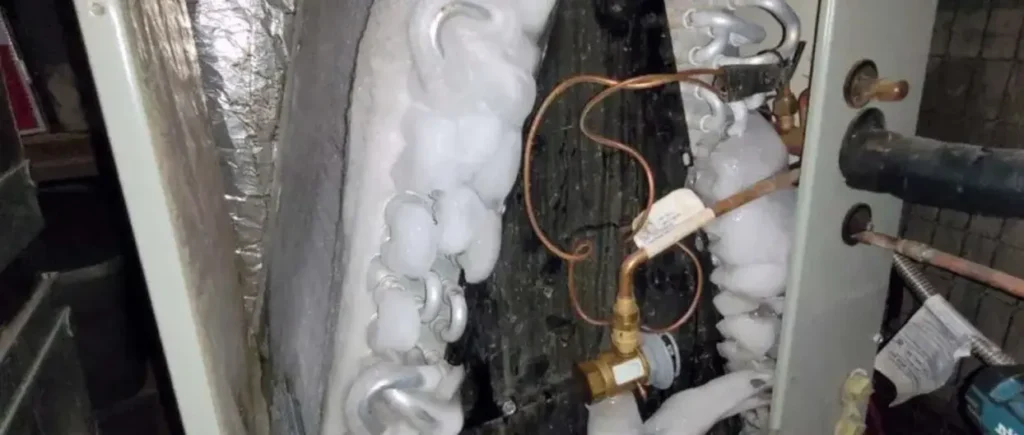
Ice may appear on the evaporator coil, refrigerant lines, or even the outdoor unit. As the ice accumulates, airflow becomes restricted, making the problem even worse.
Restricted Airflow
Poor airflow is one of the leading reasons an AC system freezes up. The evaporator coil depends on a steady supply of warm indoor air to maintain proper temperature. Without enough airflow, the coil becomes too cold and ice begins to form.
Common airflow restrictions include:
- Dirty air filters
- Blocked supply or return vents
- Dust-covered evaporator coils
- Closed registers
- Obstructions around the indoor unit
Replacing air filters regularly and keeping vents open can significantly improve airflow and reduce the risk of freezing.
Dirty Evaporator Coil
Over time, dust and debris can accumulate on the evaporator coil. This layer of dirt acts as insulation, preventing the coil from absorbing heat effectively. As a result, the coil temperature drops and moisture freezes on its surface.
Signs of a dirty evaporator coil include:
- Weak airflow
- Longer cooling cycles
- Higher utility bills
- Reduced indoor comfort
Professional coil cleaning is often necessary to restore proper system performance.
Low Refrigerant Levels
Refrigerant plays a critical role in the cooling process. When refrigerant levels are too low, pressure inside the system decreases, causing the evaporator coil to become excessively cold. This creates ideal conditions for ice formation.
Low refrigerant is typically caused by leaks rather than normal consumption, since refrigerant does not get used up during operation.
Common symptoms include:
- Ice on refrigerant lines
- Warm air from vents
- Hissing sounds
- Reduced cooling efficiency
- Increased operating costs
Because refrigerant handling requires specialized equipment, leaks and recharging should be performed by qualified HVAC technicians.
Dirty Air Filter
A clogged air filter may seem like a minor issue, but it can have a major impact on AC performance. When filters become filled with dust and particles, airflow decreases and the evaporator coil may freeze.
Fortunately, this is one of the easiest problems to prevent. Most manufacturers recommend inspecting filters monthly and replacing them every one to three months, depending on usage and environmental conditions.
Regular filter replacement offers several benefits:
- Improved airflow
- Better indoor air quality
- Increased energy efficiency
- Reduced strain on the system
- Lower risk of ice buildup
Faulty Blower Fan
The blower fan circulates conditioned air throughout the home. If the fan motor fails or the blower operates improperly, insufficient air passes over the evaporator coil. Without enough heat transfer, the coil temperature drops below freezing.
Warning signs of blower problems include:
- Weak airflow from vents
- Unusual noises
- Uneven temperatures
- Frequent system cycling
A technician can inspect the blower assembly and determine whether repairs or replacement are necessary.
Locked or Closed Vents
Some homeowners close vents in unused rooms to save energy, but doing so may actually reduce overall airflow and contribute to a frozen AC system.
Blocked return vents can also limit air circulation. Furniture, curtains, rugs, and other objects should be kept away from supply and return openings to ensure proper airflow throughout the house.
Maintaining open and unobstructed vents helps the system operate more efficiently.
Problems with the Thermostat
A malfunctioning thermostat can cause the air conditioner to run continuously without sufficient rest periods. Extended operation may lower coil temperatures enough to produce ice.
Incorrect thermostat settings may also contribute to freezing issues. Setting the temperature excessively low for long periods can place unnecessary strain on the system.
Modern programmable or smart thermostats can help maintain balanced cooling and improve energy efficiency.
Operating the AC in Cool Weather
Air conditioners are designed to operate within specific outdoor temperature ranges. Running the system when outdoor temperatures are too low may cause pressure changes that lead to frozen coils.
This situation commonly occurs during mild evenings or transitional seasons when cooling demands are minimal.
If cooling is required year-round, specialized low-ambient controls may be necessary for proper operation.
Drainage Problems
As an air conditioner removes humidity from indoor air, condensation forms and flows through a drain line. If this drainage system becomes blocked, excess moisture may accumulate around the evaporator coil and contribute to ice formation.
Signs of drainage issues include:
- Water around the indoor unit
- Musty odors
- High indoor humidity
- Visible mold growth
Routine maintenance can help keep drain lines clear and prevent moisture-related problems.
What Should You Do If Your AC Is Frozen?
If you notice ice on your air conditioner, take the following steps:
1. Turn off the cooling mode.
2. Switch the fan to “On” to help thaw the ice.
3. Inspect and replace dirty air filters.
4. Check that vents are open and unobstructed.
5. Allow the system to thaw completely.
6. Contact an HVAC professional if the problem persists.
Avoid scraping or breaking the ice manually, as this can damage delicate components.
Preventing Future Freeze-Ups
Preventive maintenance is the best way to avoid frozen air conditioners. Routine inspections allow technicians to identify developing issues before they become serious.
Helpful maintenance practices include:
- Changing air filters regularly.
- Keeping vents and registers open.
- Scheduling annual HVAC tune-ups.
- Cleaning evaporator and condenser coils.
- Monitoring refrigerant performance.
- Addressing unusual noises or weak airflow promptly.
Conclusion
A frozen air conditioner is usually a sign that something within the system is not functioning properly. Restricted airflow, dirty filters, refrigerant leaks, blower problems, and thermostat issues are among the most common causes of AC freeze-ups.
Recognizing these warning signs early can help maintain cooling efficiency, lower energy costs, and extend the lifespan of your equipment. With proper maintenance and timely professional service, homeowners can keep their air conditioning systems operating reliably and comfortably throughout the cooling season.