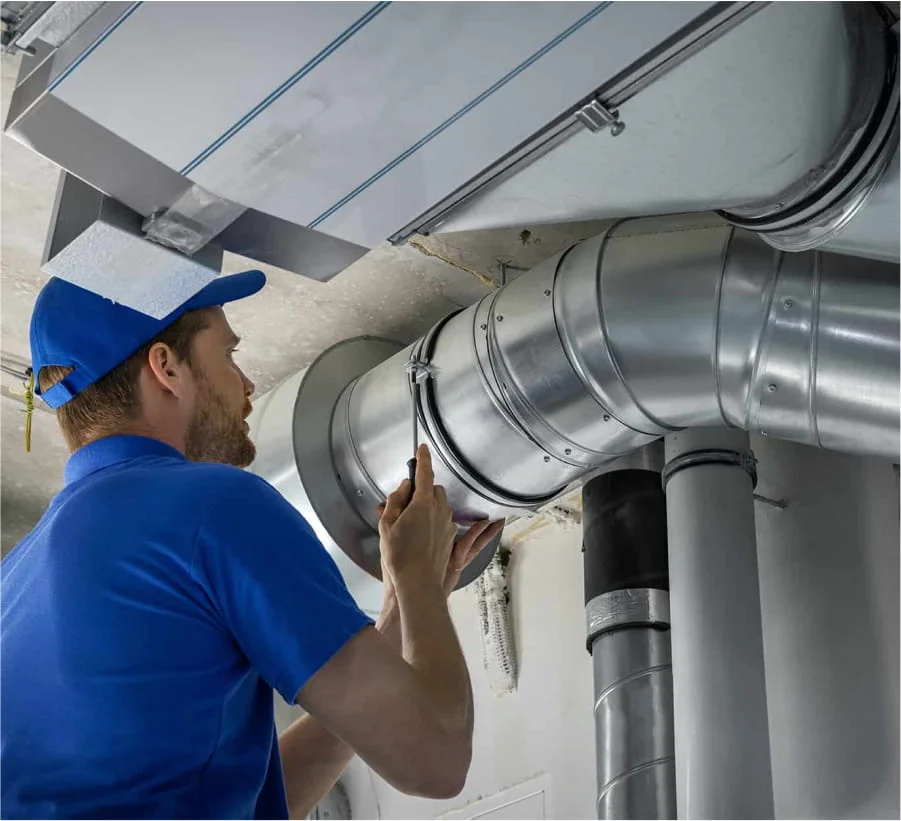
A properly functioning air conditioning system is essential for maintaining a comfortable indoor environment, especially during warmer months. However, even a high-quality air conditioner may struggle to cool your property efficiently if its ductwork is damaged, leaking or poorly insulated. AC ducts distribute conditioned air from the cooling system to different rooms, helping maintain consistent temperatures throughout the building. When these ducts become damaged or outdated, airflow problems, higher energy bills and uneven cooling can become increasingly frustrating. Knowing when to consider AC duct replacement can help homeowners improve cooling performance, reduce energy waste and maintain a more comfortable living environment.
Many homeowners regularly service their air conditioning units, replace filters and check thermostats but overlook the condition of their ductwork. Unfortunately, damaged ducts can affect the performance of the entire cooling system, even when the main AC equipment is operating properly.
Over time, ductwork can develop cracks, loose connections, deteriorating insulation and airflow restrictions. These problems may allow cooled air to escape into roof spaces, crawl spaces or wall cavities instead of reaching the intended rooms.
Whether you are renovating an older property, upgrading an existing HVAC system or experiencing recurring cooling problems, replacing outdated ductwork may be a worthwhile investment.
In this guide, we explain the reasons to replace AC ducts, common warning signs, available duct materials, replacement costs, installation procedures and maintenance practices that help keep your air conditioning system working efficiently.
What Is AC Duct Replacement?
AC duct replacement involves removing damaged, deteriorated or outdated air conditioning ductwork and installing new components designed to distribute conditioned air throughout a property.
In a central air conditioning system, the indoor cooling equipment removes heat from indoor air before a fan pushes the conditioned air through the supply ductwork.
These ducts transport cooled air to individual rooms through vents installed in ceilings, walls or floors.
After circulating throughout the property, indoor air returns through dedicated return ducts to the air conditioning equipment, where it passes through the system again.
A properly designed duct system helps distribute conditioned air, maintain suitable airflow and support consistent indoor temperatures.
However, ductwork can deteriorate because of ageing materials, moisture, physical damage, poor installation and insufficient maintenance.
When these problems become widespread, replacing individual sections or the complete duct system may become necessary.
Why Is AC Duct Replacement Important?
Ductwork is an essential component of a central air conditioning system. Its condition directly influences how effectively cooled air reaches different areas of your property.
Replacing damaged or unsuitable ducts can provide several practical benefits.
Improve Air Conditioning Efficiency
One of the main reasons homeowners consider AC duct replacement is to improve cooling efficiency.
When ducts contain cracks, gaps or loose connections, cooled air can escape before reaching the intended rooms.
This means the air conditioning system may need to operate for longer periods to maintain the temperature selected on the thermostat.
Replacing damaged sections, sealing connections and improving insulation can help reduce unnecessary air loss.
Properly designed ductwork also supports more effective airflow throughout the property.
Maintain Consistent Indoor Temperatures
Uneven cooling is a common problem in properties with damaged or poorly designed duct systems.
You might notice that your living room feels comfortable while bedrooms remain warm, even when all vents are open.
This can happen because of leaking connections, crushed ducts, incorrect sizing or restricted airflow.
Replacing unsuitable ductwork can improve air distribution and help maintain more consistent indoor temperatures.
However, duct replacement should be based on an inspection because airflow imbalances can also result from equipment problems or incorrect system settings.
Reduce Energy Waste
Air escaping through damaged ducts represents energy that is being used without providing the intended cooling benefit.
The air conditioning system may consume additional electricity to compensate for lost conditioned air.
Installing properly sealed and insulated ductwork can help reduce this waste.
The actual savings depend on the condition of the original system, the efficiency of the air conditioning equipment, building insulation and local climate conditions.
Support Better Indoor Air Quality
Damaged ductwork can allow dust, insulation particles and other contaminants from surrounding spaces to enter the air distribution system.
Moisture problems may also create conditions that encourage mould growth.
Replacing severely deteriorated ducts and addressing the underlying moisture source can help improve the cleanliness of the air distribution system.
However, replacing ducts alone does not guarantee better indoor air quality. Appropriate filtration, ventilation and humidity management are equally important.
Reduce Unnecessary Strain on AC Equipment
Air conditioning equipment depends on appropriate airflow to operate correctly.
Blocked, leaking or incorrectly sized ducts can interfere with airflow and contribute to cooling performance problems.
Replacing damaged ductwork and correcting airflow restrictions can help the AC system operate under more suitable conditions.
Signs You Need AC Duct Replacement
Recognising warning signs early can help homeowners determine when professional ductwork inspection is necessary.
Not every cooling problem requires complete replacement, but recurring issues should be investigated.
Uneven Cooling Between Rooms
One of the most noticeable signs of ductwork problems is inconsistent cooling.
For example, your living room may feel comfortable while upstairs bedrooms remain warm.
Possible causes include:
- Leaking duct connections.
- Crushed or disconnected duct sections.
- Incorrect duct sizing.
- Blocked air passages.
- Poorly balanced airflow.
- Inadequate insulation.
A professional HVAC technician can inspect the system and determine whether repairs, adjustments or complete replacement are appropriate.
Increasing Electricity Bills
Unexpected increases in electricity costs may indicate that your air conditioning system is operating inefficiently.
If the AC runs for extended periods without maintaining comfortable temperatures, damaged ductwork could be contributing to the problem.
However, electricity bills can also increase because of changing energy prices, outdoor temperatures, thermostat settings and equipment condition.
A complete system inspection can help identify the underlying cause.
Visible Ductwork Damage
Visible deterioration is another important reason to consider replacing AC ducts.
Check accessible duct sections for:
- Cracks and splits.
- Loose connections.
- Crushed flexible ducts.
- Torn insulation.
- Sagging ductwork.
- Damaged protective coverings.
- Signs of moisture damage.
Minor problems may be repairable, but widespread deterioration can make replacement a more practical long-term option.
Weak Airflow From AC Vents
If cooled air is barely coming through certain vents, the problem may involve the ductwork.
Airflow restrictions, disconnected sections and damaged ducts can prevent conditioned air from reaching individual rooms.
However, dirty filters, blocked registers and problems with the AC equipment can produce similar symptoms.
A technician should inspect the complete system before recommending replacement.
Excessive Dust and Unusual Odours
Excessive dust around vents or persistent musty smells when the AC operates may indicate contamination, moisture problems or damaged ductwork.
A duct located in a dusty roof space may draw unwanted particles into the system if it develops openings.
Persistent odours should be investigated, particularly when moisture or suspected mould is present.
Old or Poorly Installed Ductwork
Older duct systems may not meet the airflow and insulation requirements of modern air conditioning equipment.
If your property has recurring connection problems, inadequate insulation or an inefficient duct layout, upgrading the system may be worthwhile.
Types of AC Ducts Available for Replacement
Choosing the right duct material is important when upgrading an air conditioning system.
The best option depends on the building structure, available installation space, cooling equipment and performance requirements.
Flexible Ductwork
Flexible ducts are commonly used in residential air conditioning systems.
They generally consist of an inner liner surrounded by insulation and an outer protective layer.
Their flexible construction makes them useful in roof spaces and other areas where installing rigid ducts may be difficult.
Some advantages include:
- Lightweight construction.
- Flexible installation options.
- Suitability for restricted spaces.
- Available insulation options.
- Convenient routing around building obstacles.
However, flexible ducts must be installed correctly.
Excessive bends, compression and long unsupported sections can restrict airflow and reduce cooling performance.
Sheet Metal Ducts
Sheet metal ductwork is commonly manufactured from galvanised steel or aluminium.
These rigid ducts are widely used in residential and commercial air conditioning systems.
Their solid construction makes them suitable for installations requiring defined duct shapes and stable airflow pathways.
Advantages include strong construction, smooth internal surfaces and suitability for larger duct systems.
Depending on their location, sheet metal ducts may require additional insulation to reduce heat gain.
Fibreglass Ductwork
Fibreglass duct systems use specialised duct board materials designed for air distribution.
They offer insulation properties and can help reduce noise transmission.
However, these systems require appropriate installation and maintenance to prevent damage to their internal surfaces.
Their suitability depends on the application, building requirements and environmental conditions.
How to Replace AC Ducts: Step-by-Step Process
Replacing AC ducts involves more than removing old materials and installing new sections.
The system must be assessed and designed correctly to ensure suitable airflow throughout the property.
Step 1: Inspect the Existing Ductwork
The process usually begins with a professional inspection.
A technician examines the duct layout, connections, insulation and visible damage.
They may also assess airflow, AC equipment capacity and the condition of supply and return ducts.
This inspection helps determine whether individual sections need replacement or whether the complete system requires upgrading.
Step 2: Evaluate Cooling and Airflow Requirements
Before installing new ductwork, the cooling requirements of the property should be considered.
Important factors include:
- Overall building size.
- Number of rooms.
- Ceiling heights.
- Insulation levels.
- Window placement.
- AC equipment capacity.
- Required airflow.
- Duct layout and available installation space.
Correct duct sizing is essential.
Undersized ducts can restrict airflow, while oversized or poorly designed systems may create balancing problems.
Step 3: Remove Damaged Ductwork
Once the replacement plan is established, damaged duct sections can be removed.
The technician should take care to avoid damaging nearby electrical wiring, plumbing, insulation and building materials.
If existing ductwork contains contaminated materials or suspected mould, appropriate precautions may be necessary during removal.
Step 4: Install New AC Ducts
New ductwork is installed according to the system design.
Connections should be properly secured, and flexible ducts should receive suitable support to prevent unnecessary sagging or compression.
The installation should also account for insulation requirements, building clearances and access for future maintenance.
Step 5: Seal Duct Connections
Proper sealing is essential for reducing air leakage.
Approved duct sealants, suitable mechanical fasteners or other appropriate connection methods may be used depending on the material and installation requirements.
Ordinary household adhesive tape should not be assumed to provide a suitable permanent duct seal.
Step 6: Test Airflow and Cooling Performance
After installation, the air conditioning system should be tested.
A technician may check:
- Airflow from supply vents.
- Return air performance.
- Duct leakage.
- Connection security.
- AC equipment operation.
- Temperature distribution.
- Overall system performance.
Testing helps identify potential problems before the installation is considered complete.
How Much Does AC Duct Replacement Cost?
The cost of AC duct replacement varies according to the size and complexity of the project.
Replacing one damaged duct section will generally cost less than installing a completely new duct system throughout a large property.
Several factors influence the final price.
Property Size
Larger homes generally require more ductwork, additional materials and longer installation times.
The number of rooms and overall building layout also influence the amount of work involved.
Duct Material
Different duct materials have different purchasing and installation costs.
Flexible ductwork, sheet metal and fibreglass systems each have their own material and labour requirements.
Installation Accessibility
Ductwork installed in easily accessible areas may be less expensive to replace than systems located in confined roof spaces, crawl spaces or difficult building cavities.
Restricted access can increase installation time and labour costs.
Existing System Condition
If the old ductwork has widespread damage, moisture contamination or poorly designed connections, additional removal and preparation work may be necessary.
Insulation and Sealing Requirements
The project may involve additional insulation, new supports, sealing materials and modifications to existing connections.
These improvements can influence the overall quotation.
Labour and System Design
Professional labour costs vary according to location, technician experience and project complexity.
If the existing duct layout requires redesigning or resizing, additional planning and installation work may be involved.
Before accepting a quotation, ask the contractor to provide a detailed breakdown covering materials, labour, removal, insulation and system testing.
Should You Repair or Replace AC Ducts?
Not every damaged duct requires complete replacement.
In some situations, repairing the affected section may provide an effective and economical solution.
When AC Duct Repair Is Suitable
Repairing existing ductwork may be appropriate when:
- Damage is limited to one small area.
- Connections have become loose.
- Insulation damage is minor.
- A single duct section has been crushed.
- Most of the existing system remains in good condition.
A technician may be able to replace a short section, reseal connections or improve duct support.
When Complete AC Duct Replacement Is Better
Replacing the duct system may be more practical when:
- Multiple sections are damaged.
- The system has widespread air leakage.
- Insulation is deteriorating throughout the property.
- Ducts are incorrectly sized.
- Poor system design causes persistent airflow problems.
- Repairs are becoming increasingly frequent.
The decision should be based on a professional assessment of the entire system rather than the appearance of one damaged section.
Why Professional AC Duct Installation Matters
AC duct replacement affects the performance of the complete air conditioning system.
Poor installation can create airflow restrictions, leakage, temperature imbalances and unnecessary energy consumption.
Professional installation helps ensure that the ductwork is appropriately sized, connected, supported and insulated.
An experienced HVAC contractor can also identify problems that may not be obvious during a visual inspection.
For example, an air conditioning system that struggles to cool certain rooms may have duct design problems rather than damaged materials alone.
Replacing the ducts without correcting the underlying design issue may not resolve the problem.
Professional assessment helps ensure that the replacement addresses the actual cause of poor cooling performance.
How to Maintain Your New AC Ducts
After replacing AC ducts, regular maintenance can help preserve their condition and support efficient cooling operation.
Inspect Ductwork Regularly
Arrange periodic inspections to identify loose connections, damaged insulation and other visible problems.
Replace Air Filters
Follow the air conditioning manufacturer’s recommendations for filter replacement.
Dirty filters can restrict airflow and place additional strain on the system.
Keep Vents Clear
Avoid placing furniture, rugs or other objects over supply and return vents.
Unrestricted airflow helps maintain balanced cooling throughout the property.
Check for Moisture Problems
Investigate leaks, condensation and unusual dampness around ductwork.
Moisture can damage insulation and contribute to mould growth.
Maintain Air Conditioning Equipment
Regular servicing helps ensure that the AC equipment and ductwork operate together effectively.
Avoid Unnecessary Duct Modifications
Do not cut, disconnect or alter duct sections without appropriate technical guidance.
Changes to the duct layout can affect airflow and overall cooling performance.
Frequently Asked Questions About AC Duct Replacement
1. When Should I Consider AC Duct Replacement?
You should consider replacing AC ducts when they have widespread damage, significant air leakage, deteriorating insulation or persistent airflow problems.
An HVAC professional can determine whether repairs are sufficient or complete replacement is more appropriate.
2. How Long Do AC Ducts Last?
The lifespan depends on the material, installation quality, operating conditions and maintenance.
Some duct systems remain functional for several decades, while others deteriorate sooner because of moisture, physical damage or poor installation.
Regular inspections help identify problems before they become more serious.
3. How Much Does AC Duct Replacement Cost?
The cost depends on property size, duct material, accessibility, labour and the amount of ductwork being replaced.
A small repair will generally cost less than a complete system replacement.
Request a detailed inspection and written quotation for an accurate estimate.
4. Can I Replace AC Ducts Myself?
Replacing AC ducts is not always suitable as a DIY project.
Incorrect duct sizing, poor connections and inadequate support can affect cooling performance.
Professional installation is recommended, particularly when the work involves complex layouts, electrical equipment or concealed building spaces.
5. Will New AC Ducts Reduce Electricity Bills?
New ductwork may help reduce energy waste if the existing system has significant leaks, poor insulation or airflow restrictions.
However, actual savings depend on the previous duct condition, AC equipment efficiency, building insulation and household energy use.
6. What Is the Best Material for AC Ducts?
There is no single material that is best for every property.
Flexible ducts are useful for installations with limited space, sheet metal provides rigid construction, and fibreglass duct board offers insulation and noise-reduction characteristics.
The appropriate choice depends on the air conditioning system and building requirements.
7. How Long Does AC Duct Replacement Take?
Installation time depends on property size, duct layout, accessibility and the amount of work involved.
Replacing a small section may take considerably less time than installing an entirely new duct system.
Your contractor should provide an estimated project schedule after inspecting the property.
8. Do I Need to Replace All AC Ducts at Once?
No. If most of the existing duct system is in good condition, replacing only damaged sections may be sufficient.
However, widespread deterioration or poor system design may make complete replacement more practical.
A professional inspection can help determine the best approach.
9. Can Damaged AC Ducts Affect Indoor Air Quality?
Yes. Damaged ducts can allow dust and other particles from surrounding spaces to enter the air distribution system.
Moisture problems can also contribute to mould growth.
The extent of the impact depends on duct location, damage and surrounding conditions.
10. Should I Replace AC Ducts When Installing a New Air Conditioner?
Not necessarily.
If the existing ductwork is appropriately sized, properly sealed and in good condition, it may be suitable for new equipment.
However, a professional assessment is important because different air conditioning systems have different airflow requirements.
Final Thoughts
Air conditioning ducts play an essential role in distributing cooled air throughout your property. When they become damaged, poorly insulated or incorrectly designed, they can affect cooling performance, energy efficiency and indoor comfort.
Understanding when to consider AC duct replacement helps homeowners make informed decisions about maintaining and upgrading their cooling systems.
From identifying visible damage and uneven airflow to selecting suitable duct materials and arranging professional installation, every stage