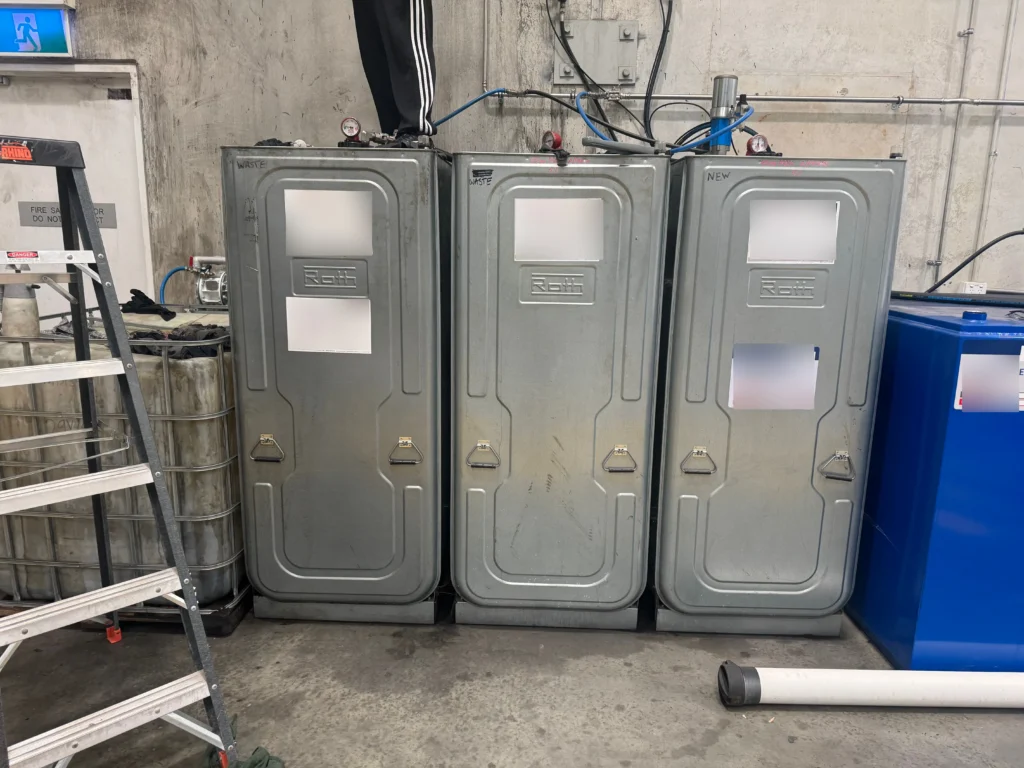
Managing fuel and liquid storage across multiple locations can be challenging, especially when tanks are spread across depots, industrial facilities and remote work sites. Remote Tank Level Monitoring, a Fuel Tank Monitoring System and an IBC Level Monitoring System can help businesses improve visibility over stored liquids, organise inventory information and make more informed operational decisions. With suitable monitoring technology, businesses can access tank-level data remotely instead of relying entirely on manual inspections.
Why Remote Tank Level Monitoring Is Important
Businesses that store fuel, lubricants, chemicals and other liquids need reliable information about their available inventory. Traditional monitoring methods often involve employees visiting individual tanks, checking levels and recording readings manually.
This approach can become time-consuming when tanks are located across different sites. Information may also become outdated between inspections, making it harder to plan deliveries or identify tanks that need attention.
Remote tank monitoring helps address these challenges by collecting tank-level information and making it accessible through a reporting platform. Depending on the equipment and configuration, users can review details such as the product stored, remaining volume, percentage full and latest update time.
Better visibility can help businesses:
- Monitor liquid inventory across multiple locations.
- Identify tanks that may require replenishment.
- Plan deliveries using actual tank-level information.
- Reduce unnecessary inspection visits.
- Maintain more organised inventory records.
- Improve coordination between suppliers, customers and site teams.
Understanding a Fuel Tank Monitoring System
A Fuel Tank Monitoring System uses suitable sensors and communication technology to provide information about fuel stored in a tank. It can be particularly useful for businesses managing diesel, petrol and other fuels across depots, generators, transport operations and remote facilities.
A monitoring unit measures the fuel level and transmits the information to a central platform. Depending on the system, businesses may receive scheduled reports or access updated information remotely.
For fuel suppliers and distributors, this visibility can support more practical delivery planning. Instead of relying only on fixed delivery schedules, teams can review available fuel levels and prioritise locations that need replenishment.
Operators managing their own storage tanks can also benefit. Monitoring information may help them understand available fuel supplies and coordinate operations around inventory requirements.
The Value of Daily Tank Reports
Regular reporting is an important part of effective fuel management. A structured report can show the remaining litres, safe fill level, percentage full and last update time for monitored tanks.
For suppliers managing several customers, reports can bring information from different locations together. Individual customers can also receive reports limited to their own tanks, depending on the platform’s reporting arrangements.
This approach can make inventory information easier to review and share with the people responsible for deliveries and site operations.
Why Businesses Need an IBC Level Monitoring System
Intermediate Bulk Containers (IBCs) are widely used to store and transport liquids such as lubricants, industrial chemicals and other process fluids. Businesses may use several IBCs across workshops, warehouses, manufacturing facilities and remote sites.
Keeping track of IBC contents can be difficult when containers are distributed across different areas. Manual checks may interrupt routine work, while inconsistent records can make it harder to understand current stock levels.
An IBC Level Monitoring System can provide a way to measure liquid levels remotely, subject to container compatibility and the selected sensing method.
Potential advantages include:
- Improved visibility over liquid levels in IBCs.
- Easier monitoring of multiple containers.
- Better awareness of stock that may need replenishment.
- Less dependence on routine manual readings.
- More organised reporting for operational teams.
The monitoring equipment should be selected according to the container design, stored liquid and installation conditions. Some applications may require specialised or non-invasive sensing methods.
The Role of 4G and Satellite Connectivity
Connectivity is an important consideration when monitoring tanks across different locations. A system that depends entirely on mobile network coverage may not be suitable for every industrial or rural site.
Some remote monitoring solutions support both 4G and satellite communication. This allows monitoring units to use mobile connectivity where available and satellite communication where mobile coverage is unavailable.
For businesses operating across remote locations, this flexibility can help maintain access to tank information. It can also be useful for mobile assets that travel between areas with different network conditions.
Before selecting equipment, businesses should consider the locations of their tanks, expected reporting frequency and communication requirements.
What to Consider When Selecting Tank Monitoring Equipment
The right monitoring solution depends on the type of liquid being stored, the number of tanks and the operating environment. Businesses should review several factors before choosing a system.
Tank and Container Compatibility
Check whether the monitoring equipment is suitable for the tank or IBC design. Tank dimensions, openings, materials and stored liquids may influence the appropriate sensing method.
Monitoring Requirements
Decide whether the priority is fuel-level measurement, location tracking or monitoring several types of liquid storage assets. Mobile tanks may require both GPS location and level information.
Reporting and Data Access
Understand how often reports are generated, which details they contain and who can access them. Suppliers may need an overview of customer tanks, while individual customers may require access only to their own assets.
Installation and Maintenance
Review installation requirements, power needs, cabling and ongoing support. Self-contained monitoring units may simplify installation where external power or site infrastructure is difficult to arrange.
How GAT Supports Remote Tank Monitoring
Businesses looking for practical monitoring options can explore GAT’s remote tank monitoring solutions. Global Asset Tracking provides monitoring technology for fixed and mobile tanks, IBCs, drums, trailers and other liquid storage assets.
Its solutions are designed to provide tank-level information and GPS location where required, with units using 4G or satellite connectivity according to network availability. GAT also offers daily reporting with details such as remaining litres, safe fill level, percentage full and the latest update time.
The company supports applications involving diesel, petrol, lubricants, waste oil, coolant, AdBlue, chemicals and water. Its engineering team can also work on specialised monitoring requirements where standard sensing equipment may not be suitable.
Businesses can review their tank types, locations, liquids and reporting needs with GAT to identify an appropriate configuration.
Conclusion
Remote monitoring can make liquid storage management more organised by giving businesses better access to tank-level information. Whether an organisation manages bulk fuel, workshop lubricants or IBC containers, suitable monitoring technology can support inventory awareness and more informed replenishment planning.
By considering tank compatibility, connectivity, reporting and asset requirements, businesses can select a solution that fits their operations. Exploring GAT’s monitoring options can be a useful starting point for organisations looking to improve visibility across their liquid storage assets.