Maintaining a clean, hygienic and pest-free workplace is essential for every business. Whether you operate a restaurant, office, warehouse, retail store, hotel or industrial facility, unwanted pests can create serious problems for your operations, employees and customers. From cockroaches appearing in food preparation areas to rodents damaging stored products and termites affecting building structures, pest infestations can disrupt business activities and damage a company’s reputation. This is why professional Commercial Pest Control Sydney services are an important part of maintaining a safe and well-managed commercial environment.
Sydney’s climate and diverse commercial landscape create conditions where different pests can find food, water and shelter. Restaurants, cafes and food storage facilities may attract cockroaches and rodents, while offices and retail buildings can experience problems with ants, spiders and other insects. Warehouses and industrial properties may also face pest challenges because of stored goods, loading areas and frequent deliveries.
Commercial pest management involves more than eliminating visible pests. It requires identifying potential infestation sources, assessing property conditions, applying appropriate treatments and implementing preventive measures.
Whether you manage a small business or oversee a large commercial facility, professional pest control can help minimise pest-related disruptions and support ongoing property maintenance.
In this guide, we explore commercial pest control services, common workplace pests, industry-specific requirements, treatment methods, prevention strategies and how to choose a suitable pest management company in Sydney.
Why Is Commercial Pest Control Important in Sydney?
Businesses have different responsibilities when it comes to maintaining their premises.
Unlike residential properties, commercial buildings often experience regular deliveries, high customer traffic, food handling, waste generation and shared storage facilities. These conditions can create opportunities for pests to enter and establish themselves.
Professional commercial pest management helps businesses identify these risks and address pest problems before they become more serious.
Protect Your Business Reputation
Customers expect businesses to maintain clean and hygienic premises.
Seeing cockroaches in a restaurant, ants around retail products or rodents inside a warehouse can create a negative impression.
Even a small pest problem can affect customer confidence, particularly in industries where cleanliness is essential.
Regular pest management helps businesses maintain professional environments and demonstrate attention to hygiene.
Maintain Workplace Hygiene
Pests can contaminate food, packaging, equipment and other workplace surfaces.
Cockroaches and rodents, for example, may carry microorganisms that can contaminate areas where food is prepared or stored.
Professional pest treatments, combined with appropriate cleaning procedures, help businesses manage these risks.
Protect Stock and Commercial Property
Some pests can damage products, packaging, furniture and building materials.
Rodents may chew through packaging and electrical wiring, while termites can damage timber structures.
Stored-product insects can also affect certain food and raw material supplies.
Identifying pest activity early can help businesses reduce unnecessary losses and property damage.
Support Regulatory Compliance
Businesses operating in food-related industries must meet relevant hygiene and food safety requirements.
In Australia, food businesses are subject to applicable food safety laws and standards, including requirements under the Australia New Zealand Food Standards Code.
Effective pest prevention and control form an important part of maintaining appropriate food premises.
Professional pest management can help businesses implement suitable procedures, maintain service records and address pest-related risks.
Common Commercial Pests in Sydney
Different commercial environments attract different pests.
Identifying the species and understanding its behaviour are important steps in selecting an appropriate treatment method.
Cockroaches
Cockroaches are a common concern for commercial premises, particularly restaurants, cafes, commercial kitchens and food storage facilities.
They are attracted to food residues, moisture and sheltered spaces.
Common signs of cockroach activity include:
- Live cockroaches appearing during operating hours.
- Droppings around cupboards and equipment.
- Egg cases in hidden areas.
- Unpleasant odours in affected spaces.
- Cockroaches hiding behind refrigerators and appliances.
Cockroaches can spread through plumbing openings, delivery areas, wall cavities and shared building spaces.
Professional cockroach control involves identifying harbourage areas, applying suitable treatments and recommending improvements to cleaning and waste management.
Rodents and Rats
Rats and mice can create significant problems for commercial properties.
They may enter buildings through loading docks, damaged doors, roof spaces and small structural openings.
Rodents can contaminate stored products, damage packaging and chew through electrical wiring.
Businesses should watch for:
- Droppings near storage areas.
- Gnaw marks on packaging.
- Scratching sounds in ceilings.
- Damaged food containers.
- Nesting materials in hidden locations.
Commercial rodent control may involve trapping, appropriate baiting, monitoring and identifying entry points.
Ants
Ants can become a problem in offices, cafes, retail stores and warehouses.
They often enter buildings while searching for food and water.
Ant activity may appear around kitchen areas, staff rooms, storage cupboards and external building entrances.
Professional ant management focuses on identifying the species, locating nesting areas and selecting suitable treatment methods.
Termites
Termites can cause significant damage to commercial buildings containing timber structures.
They feed on cellulose-containing materials and may affect structural timber, flooring, wall frames and other building components.
Possible warning signs include mud tubes, damaged timber, discarded wings and hollow-sounding wooden structures.
Commercial properties should consider professional termite inspections, particularly when buildings contain substantial timber elements or have a history of termite activity.
Flies
Flies are particularly problematic for restaurants, cafes, food production facilities and waste management areas.
They are attracted to food waste, organic materials and unsuitable waste storage conditions.
Flies can move between contaminated environments and food preparation areas.
Effective fly management may involve identifying breeding sources, improving waste practices, installing suitable screens and applying targeted treatments.
Stored-Product Pests
Certain insects can infest stored food, grains, flour, cereals, dried products and other commercial stock.
These pests may enter through deliveries or develop within stored products.
Businesses should regularly inspect incoming goods, maintain appropriate storage conditions and rotate stock.
Early detection helps reduce contamination and product losses.
What Does Commercial Pest Control Sydney Include?
Professional Commercial Pest Control Sydney services can be tailored to different business environments and pest management requirements.
The exact services depend on the property, industry and type of infestation.
Commercial Pest Inspections
A professional inspection helps identify pest activity and conditions that may attract unwanted insects or rodents.
Depending on the premises, a technician may inspect:
- Food preparation areas.
- Storage rooms.
- Waste disposal areas.
- Loading docks.
- Roof cavities.
- External building perimeters.
- Staff facilities.
- Commercial equipment areas.
The inspection findings help determine the appropriate treatment and prevention strategy.
General Commercial Pest Treatments
General commercial pest control commonly targets pests such as cockroaches, ants, spiders and silverfish.
Treatment may involve targeted applications, baiting systems and other appropriate pest management techniques.
The method depends on the pest species, infestation level and nature of the commercial environment.
Commercial Rodent Control
Rodent management focuses on reducing existing activity and preventing further access.
A pest technician may recommend suitable traps, monitoring devices, baiting systems where appropriate and structural exclusion measures.
Businesses may also need to improve waste storage, seal entry points and organise regular inspections.
Termite Inspections and Management
Commercial termite services can include inspections, identification of termite activity, monitoring and suitable treatment recommendations.
The appropriate approach depends on the building’s construction, termite species and extent of activity.
Termite management should be treated separately from routine general pest control.
Preventive Pest Management Programs
Preventive programs are designed to monitor pest activity and reduce the likelihood of future infestations.
They may include scheduled inspections, monitoring devices, treatment records and recommendations for property maintenance.
These arrangements can be particularly valuable for businesses that need ongoing pest management.
Commercial Pest Control for Different Industries
Every business has different pest management requirements.
A restaurant faces different challenges from an office building or industrial warehouse.
Choosing an appropriate treatment strategy requires understanding how each commercial environment operates.
Restaurants and Cafes
Food businesses require consistent attention to cleanliness and pest prevention.
Food residues, cooking equipment, drains and waste areas can attract cockroaches, ants and flies.
Commercial kitchen pest management may involve:
- Monitoring high-risk areas.
- Treating suitable harbourage locations.
- Inspecting storage areas.
- Identifying possible pest entry points.
- Improving waste management.
- Recommending appropriate cleaning procedures.
Treatments must be selected and applied with food safety requirements in mind.
Offices and Corporate Buildings
Office environments may experience problems with ants, cockroaches, spiders and rodents.
Staff kitchens, storage rooms, ceiling cavities and waste collection areas can provide shelter and food sources.
Regular commercial pest inspections can help identify issues before they affect workplace comfort.
Warehouses and Distribution Centres
Warehouses often contain large storage areas, frequent deliveries and multiple access points.
These conditions can make pest monitoring particularly important.
Rodents and stored-product pests may affect stock, packaging and stored materials.
A warehouse pest management program may include regular inspections, monitoring stations, incoming goods checks and appropriate exclusion measures.
Hotels and Accommodation Businesses
Hotels need to maintain clean and comfortable environments for guests.
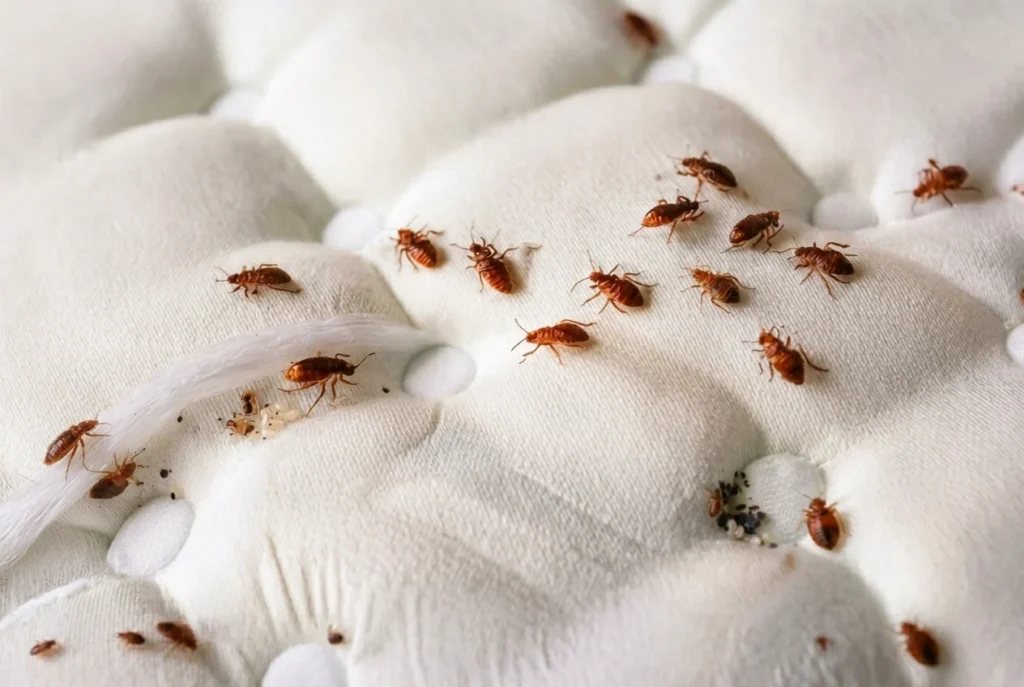
Cockroaches, ants, rodents and bed bugs can create significant operational concerns.
Bed bug management may require specialised inspection and treatment procedures involving guest rooms, furniture and surrounding areas.
Regular monitoring and prompt responses help reduce the risk of recurring issues.
Retail Stores and Shopping Premises
Retail businesses may experience pest problems around storage areas, staff rooms, rubbish facilities and product displays.
Rodents can damage packaging, while insects may affect stored products.
Appropriate pest control helps businesses protect inventory and maintain a clean shopping environment.
Healthcare and Educational Facilities
Healthcare facilities, childcare centres and educational buildings require careful pest management.
Treatment decisions should consider occupants, sensitive environments and applicable hygiene requirements.
Professional technicians should recommend methods suitable for the specific premises and follow relevant safety procedures.
Benefits of Hiring Professional Commercial Pest Control Services
Commercial pest management involves more than purchasing products and applying them around a building.
Professional services offer additional support for identifying, treating and monitoring pest activity.
Accurate Pest Identification
Different pests require different control methods.
For example, some ant species respond better to targeted baiting, while others may require a different approach.
Accurate identification helps ensure that treatment is suitable for the pest involved.
Reduced Business Disruptions
A well-planned pest management service can help businesses address problems while considering their operating schedules.
Treatment appointments may be arranged around business hours where practical.
This can help minimise disruption to employees, customers and daily operations.
Appropriate Treatment Selection
Professional technicians can select treatment methods based on the pest species, building layout and business activities.
This is particularly important in food preparation areas, warehouses and sensitive commercial environments.
Ongoing Monitoring and Prevention
Recurring inspections and monitoring can help identify new pest activity before it develops into a larger problem.
Technicians may also recommend structural repairs, improved sanitation and changes to waste management procedures.
Documentation and Service Records
Many commercial businesses benefit from maintaining pest management documentation.
Depending on the service arrangement, records may include inspection findings, treatment details, monitoring observations and recommendations.
These records can support internal hygiene procedures and help businesses demonstrate how pest-related risks are managed.
How Often Should Businesses Arrange Commercial Pest Control?
The ideal frequency depends on the type of business, property conditions, pest history and regulatory requirements.
A small office may need a different inspection schedule from a restaurant, food warehouse or food production facility.
Factors that influence pest management frequency include:
- The nature of business operations.
- Food preparation and storage activities.
- Previous pest infestations.
- Building condition and maintenance.
- Waste management arrangements.
- Surrounding environmental conditions.
- Customer and employee traffic.
Some businesses arrange quarterly pest inspections, while higher-risk facilities may require more frequent monitoring.
Food businesses should develop pest management procedures appropriate to their food safety obligations.
A professional pest management provider can recommend a suitable schedule based on the property’s specific risks.
Integrated Pest Management for Commercial Properties
Integrated Pest Management (IPM) is an approach that combines inspection, prevention, monitoring and targeted control methods.
Rather than relying only on chemical treatments, IPM aims to understand why pests are entering a property and what conditions allow them to survive.
Identify the Pest Problem
The first step involves identifying the pest species and understanding the level of activity.
This may include inspecting affected areas and reviewing previous pest sightings.
Remove Food and Water Sources
Good sanitation plays an important role in commercial pest management.
Businesses should maintain cleaning schedules, store food appropriately and prevent waste from accumulating.
Reduce Access and Shelter
Structural maintenance can help prevent pests from entering commercial premises.
Seal appropriate gaps, repair damaged screens and maintain doors and loading areas.
Monitor Pest Activity
Monitoring devices and scheduled inspections can help identify pest activity.
The results can guide decisions about additional treatments or changes to prevention procedures.
Apply Targeted Treatments
When necessary, suitable treatments can be selected according to the pest species and property requirements.
This approach aims to manage infestations while avoiding unnecessary applications.
How to Choose the Best Commercial Pest Control Company in Sydney
Selecting the right pest management provider is important for maintaining commercial premises.
Businesses should consider more than price when comparing service providers.
Check Licensing and Qualifications
In NSW, pest management work is subject to licensing requirements.
Check that the company and technicians hold the appropriate licences for the services being provided.
Ask about relevant training and industry experience.
Look for Commercial Experience
Commercial properties have different requirements from residential homes.
Choose a provider familiar with your industry, whether you operate a restaurant, office, warehouse, hotel or retail business.
Understand the Treatment Methods
A professional company should explain which pests are being targeted, where treatments will be applied and why the selected approach is appropriate.
Ask about preparation requirements, product information and any restrictions after treatment.
Review Service Agreements
If your business requires ongoing pest management, review the service agreement carefully.
Check inspection frequency, monitoring arrangements, treatment inclusions, reporting procedures and additional charges.
Compare Quotes
Commercial pest control costs vary according to property size, pest species, infestation severity and service frequency.
Compare quotations based on the services included rather than choosing the cheapest option automatically.
Check Communication and Reporting
Reliable providers should explain inspection findings and offer practical recommendations.
Clear reporting helps business owners understand pest activity and decide what corrective actions are necessary.
Practical Ways to Prevent Pests in Commercial Premises
Professional treatment is only one part of effective pest management.
Businesses should also maintain everyday practices that reduce opportunities for pests to enter and establish themselves.
Maintain Regular Cleaning Schedules
Clean food preparation surfaces, equipment, storage areas and staff facilities regularly.
Remove food residues that may attract insects and rodents.
Store Food and Stock Correctly
Use suitable sealed containers and maintain appropriate storage conditions.
Inspect incoming deliveries for signs of insect or rodent activity.
Manage Commercial Waste
Keep rubbish in appropriate containers with secure lids.
Arrange regular waste removal and clean surrounding disposal areas.
Repair Structural Gaps
Check doors, windows, service openings and damaged screens.
Seal suitable entry points to reduce pest access.
Maintain Drains and Plumbing
Blocked drains, leaks and standing water can create conditions that attract pests.
Arrange repairs promptly and maintain appropriate drainage.
Train Employees
Staff should understand how to identify pest activity and report concerns.
A simple reporting procedure can help management respond before an infestation becomes more serious.
Frequently Asked Questions About Commercial Pest Control Sydney
1. What Does Commercial Pest Control Sydney Include?
Commercial pest control in Sydney can include inspections, treatments and preventive management for cockroaches, ants, rodents, termites, flies, spiders and stored-product pests.
Services may also include monitoring systems, pest activity reports and ongoing maintenance programs.
The exact inclusions depend on the provider and business requirements.
2. How Much Does Commercial Pest Control Cost in Sydney?
The cost depends on property size, pest species, infestation severity, treatment methods and service frequency.
A small office may require a different service arrangement from a restaurant or large warehouse.
Request a detailed quotation outlining inspection areas, treatment inclusions and ongoing costs.
3. How Often Should a Business Arrange Pest Control?
The ideal schedule depends on the business type and pest risk.
Restaurants, food production facilities and warehouses may require more frequent monitoring than smaller offices.
A professional provider can recommend a suitable schedule after assessing the premises.
4. Is Commercial Pest Control Required for Restaurants?
Food businesses must manage pest-related risks as part of maintaining appropriate food safety and hygiene standards.
This includes taking reasonable measures to prevent pest entry, monitor activity and address infestations.
The exact requirements depend on the applicable food safety laws and standards.
5. Can Commercial Pest Control Be Arranged Outside Business Hours?
Many pest control providers can arrange appointments outside normal operating hours, depending on availability and treatment requirements.
Evening or weekend services may be useful for restaurants, retail stores and other businesses that operate throughout the day.
Confirm scheduling options with the provider.
6. Is Professional Commercial Pest Control Safe for Employees and Customers?
Professional pest treatments can be performed using appropriate safety procedures.
However, safety depends on the products, application methods and commercial environment.
Businesses should follow the technician’s instructions regarding preparation, restricted areas, ventilation and re-entry.
7. Does Commercial Pest Control Include Termite Management?
Not always.
General commercial pest control usually targets common insects and rodents.
Termite inspections and management are specialised services and may need to be arranged separately.
Always confirm the scope of the service before booking.
8. Can Pest Control Help Prevent Rodent Infestations in Warehouses?
Yes. Commercial rodent management can involve inspections, monitoring devices, suitable traps, baiting where appropriate and structural exclusion.
Businesses should also maintain good storage practices and reduce access to food and shelter.
9. What Is Integrated Pest Management?
Integrated Pest Management is an approach that combines inspection, monitoring, sanitation, structural prevention and targeted treatments.
It focuses on understanding pest activity and addressing the conditions that allow infestations to develop.
10. How Do I Choose a Reliable Commercial Pest Control Provider?
Look for an appropriately licensed provider with relevant commercial experience, clear treatment procedures and suitable reporting arrangements.
Compare service inclusions, pricing, inspection frequency and customer support before making a decision.
Final Thoughts
Maintaining a clean and pest-free workplace is an important part of running a successful business. Professional Commercial Pest Control Sydney services help businesses identify pest problems, protect their premises and reduce the risks associated with unwanted insects and rodents.
From restaurants and cafes to offices, warehouses, hotels and retail stores, every commercial environment has different pest management requirements.
The most effective approach combines accurate pest identification, suitable treatments, regular monitoring and practical prevention measures.
For business owners, choosing an experienced and appropriately licensed pest management provider can make ongoing property maintenance easier. Consider the company’s commercial experience, treatment methods, service documentation and ability to understand your industry’s requirements.
Whether you are dealing with an existing infestation or looking to establish a preventive pest management program, taking a proactive approach can help protect your stock, property, employees and business reputation.
With consistent monitoring, good hygiene practices and professional support, businesses can maintain cleaner and more comfortable commercial environments.