Creating exceptional clothing starts with choosing the right fabric. Whether you are an established fashion designer, an aspiring couturier, a professional dressmaker or someone passionate about sewing, fabric quality plays an important role in the final appearance and feel of a garment. From luxurious silks and delicate lace to embroidered tulles and intricate designer textiles, selecting the right material can transform an ordinary design into something extraordinary. If you are searching for a reliable haute couture fabric store Australia, finding a supplier that offers premium materials, distinctive designs and quality craftsmanship is an important first step.
Haute couture is associated with precision, creativity, exclusivity and exceptional attention to detail. Every element of a garment matters, including its construction, finishing and fabric selection. The right textile influences how a dress moves, how it fits and how beautifully it holds its shape.
Australia has a diverse fashion and creative industry, with independent designers, bridal specialists, costume makers and sewing enthusiasts looking for materials that support their individual projects.
Whether you are designing an elegant evening gown, creating a custom wedding dress or developing a statement fashion collection, choosing high-quality couture fabrics can help bring your creative vision to life.
In this guide, we explore haute couture fabrics, popular textile choices, important purchasing considerations and how to select suitable materials for different fashion projects.
What Is Haute Couture Fabric?
Haute couture is a French term commonly associated with high fashion and the creation of exclusive, carefully constructed garments.
Couture clothing is recognised for its attention to detail, specialised craftsmanship and individual approach to design.
Fabric is central to this process. Unlike basic textiles used for everyday clothing, couture materials are often selected for their texture, structure, intricate decoration and ability to complement a particular design.
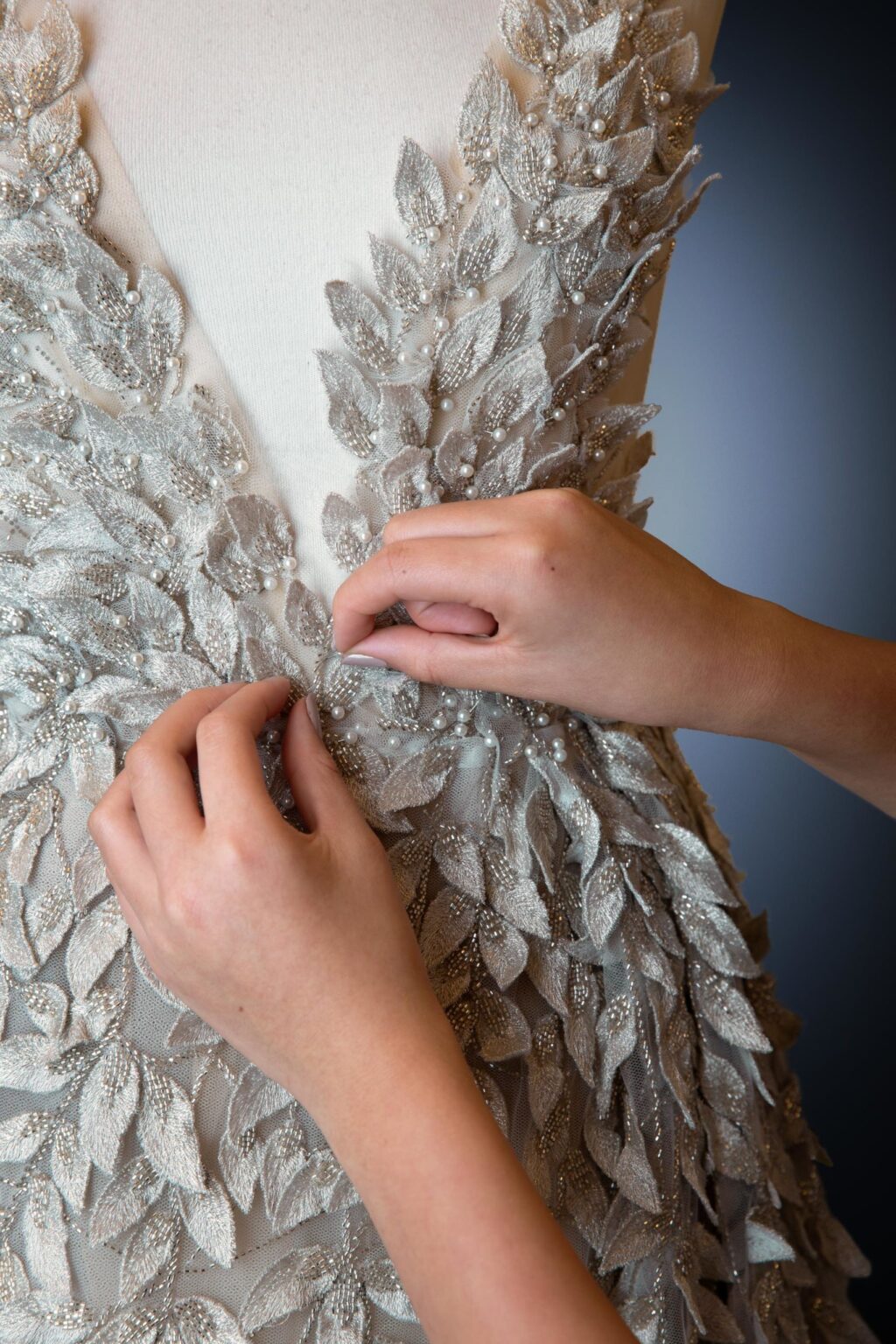
A haute couture fabric may feature:
- Intricate embroidery and embellishments.
- Premium silk fibres.
- Delicate lace patterns.
- Decorative beads and sequins.
- Detailed woven textures.
- Fine tulle and organza.
- Distinctive prints and surface finishes.
These materials are used in different types of clothing, including bridal gowns, evening dresses, formalwear, luxury occasionwear and designer collections.
When exploring a haute couture fabric store Australia, it is worth looking beyond appearance. Fabric weight, drape, durability and construction requirements are equally important when selecting materials for a garment.
Why Choose a Specialist Haute Couture Fabric Store in Australia?
Choosing a specialist fabric supplier can make the design and garment-making process considerably easier.
General fabric retailers often focus on everyday sewing materials, while specialist couture suppliers may offer more distinctive textiles for premium fashion projects.
Access to Exclusive Fabric Designs
One of the biggest advantages of a specialist supplier is access to materials that may not be available in standard fabric shops.
Fashion designers often need distinctive fabrics to create garments that stand apart from mass-produced clothing.
These may include embroidered lace, embellished mesh, decorative tulle, luxury satin and intricate textiles featuring detailed surface work.
Having access to different colours, textures and patterns gives designers more opportunities to experiment with their ideas.
Premium Fabric Quality
Fabric quality influences both the appearance and construction of a finished garment.
High-quality materials generally offer more consistent textures, better finishes and characteristics suited to their intended use.
For example, silk may provide a soft, flowing appearance, while structured mikado can help create a more defined silhouette.
Choosing appropriate materials also makes it easier to achieve the desired finish during cutting, sewing and garment construction.
Suitable Materials for Special Occasions
Couture fabrics are frequently used for garments created for important occasions.
Wedding dresses, formal gowns, gala outfits and luxury eveningwear often require materials with distinctive textures or decorative details.
A specialist fabric supplier can offer different options for designers working on these projects.
More Creative Design Possibilities
The right fabric can influence the entire direction of a fashion design.
A delicate embroidered textile may inspire a romantic evening gown, while a structured fabric could become the foundation for a dramatic architectural silhouette.
Exploring different materials allows designers to develop original ideas and create garments with distinctive visual character.
Popular Haute Couture Fabrics Available in Australia
Different fabrics offer different qualities, making some materials more suitable for particular garment styles than others.
Understanding their characteristics can help designers make better purchasing decisions.
Luxury Silk Fabrics
Silk is one of the most recognisable materials in luxury fashion.
Known for its smooth texture, natural lustre and elegant drape, silk is commonly used in eveningwear, bridal fashion and premium garments.
Different silk varieties offer different characteristics.
Silk satin has a smooth surface and attractive sheen, making it suitable for elegant gowns and formal dresses.
Silk chiffon is lightweight and flowing, which makes it useful for soft layers, sleeves and draped designs.
Silk organza offers more structure while maintaining a delicate appearance.
When selecting silk, consider its weight, opacity, drape and care requirements.
Embroidered Lace
Lace is a popular choice for wedding dresses, formalwear and intricate couture designs.
It can feature delicate floral patterns, geometric arrangements and decorative details.
Different types of lace create different visual effects.
Chantilly lace is known for its fine appearance and delicate patterns, while guipure lace generally features more prominent motifs and a heavier structure.
Embroidered lace may also include beads, sequins or additional decorative elements.
The choice depends on the desired garment style and how much visual detail the design requires.
Tulle and Illusion Fabrics
Tulle is a lightweight net-like textile widely used in bridalwear and evening fashion.
It can create volume without adding excessive weight, making it useful for layered skirts, veils and decorative overlays.
Illusion tulle is particularly useful for designs that require a subtle, transparent appearance.
Designers may use it for sleeves, necklines, bodices and delicate decorative details.
Some varieties also feature embroidery, crystals or beadwork.
Premium Satin
Satin is valued for its smooth surface and elegant shine.
It is commonly used in evening gowns, bridal dresses, formal skirts and structured fashion pieces.
Different satin varieties have different weights and levels of stiffness.
Lightweight satin can provide fluid movement, while heavier options may offer more structure.
When choosing satin, consider how the fabric will fall and whether it will support the intended silhouette.
Organza
Organza is a lightweight, sheer fabric that offers more structure than many flowing textiles.
It is frequently used in couture garments that require volume, layered details or sculptural shapes.
Organza can be particularly effective for sleeves, overlays, decorative bows and statement skirts.
Its crisp appearance makes it suitable for designs where shape and structure are important.
Beaded and Sequinned Fabrics
Embellished fabrics are popular for luxury eveningwear and statement fashion designs.
They may feature hand-applied beads, sequins, crystals or decorative embroidery.
These textiles can create striking visual effects under different lighting conditions.
However, embellished materials require careful handling during cutting and sewing.
Designers should also consider the weight of the fabric and whether additional garment support will be necessary.
Choosing the Right Fabric for Different Fashion Projects
Selecting fabric involves more than choosing a colour or pattern.
The material must suit the garment’s design, intended use and construction requirements.
Bridal Gowns
Wedding dresses often combine several different fabrics to create depth, texture and structure.
For example, a bridal gown may feature a satin base, embroidered lace overlay and soft tulle layers.
Some designs use structured fabrics to create defined bodices and fuller skirts, while others rely on flowing silk and chiffon for a softer appearance.
When choosing bridal fabrics, consider:
- The silhouette of the dress.
- The weight of the material.
- The level of transparency.
- The amount of embellishment.
- Comfort and movement.
- The construction techniques required.
A carefully selected combination of fabrics can create a balanced and elegant bridal design.
Evening and Formal Dresses
Evening gowns often use fabrics that create an attractive appearance under artificial lighting.
Silk satin, velvet, embellished mesh and sequinned textiles can all work well for formalwear.
The right choice depends on whether the design requires fluid movement, a structured silhouette or decorative surface details.
For example, a flowing evening gown may benefit from chiffon, while a fitted formal dress may require a more supportive textile.
Designer Fashion Collections
Fashion designers developing collections need fabrics that support their overall creative direction.
Some collections focus on minimalist silhouettes and premium textures, while others feature intricate embroidery, decorative details and statement materials.
A specialist couture fabric supplier can provide opportunities to explore different combinations and develop distinctive garments.
Designers should consider fabric availability, colour consistency and the quantity required for the complete collection.
Theatre and Special Occasion Costumes
Couture-inspired fabrics are also useful for theatrical costumes, performance clothing and special event outfits.
Decorative lace, velvet, organza and embellished textiles can help create distinctive stage appearances.
For these projects, designers should consider durability, movement and the practical requirements of the performance.
How to Choose the Best Haute Couture Fabric Store Australia
Finding a suitable fabric supplier involves considering several factors beyond the appearance of its products.
A good supplier should offer materials that match your creative requirements and provide enough information to support confident purchasing decisions.
Explore the Fabric Collection
Start by reviewing the supplier’s available fabric selection.
Look for different categories, including silk, lace, tulle, organza, satin and embellished textiles.
A varied collection provides more opportunities to find materials that suit different garment styles.
If you are working on a specific design, check whether the supplier offers suitable colours, patterns and fabric weights.
Check Fabric Composition
Understanding fabric composition is important when selecting premium textiles.
Some materials are made from natural fibres, while others use synthetic or blended fibres.
For example, silk is a natural protein fibre, while polyester is a synthetic material.
Each offers different characteristics in terms of appearance, handling, durability and care.
Check the product description or request additional information if the composition is unclear.
Request Fabric Samples
Ordering samples before purchasing larger quantities can be a useful step.
A fabric may appear different on a computer screen compared with its actual colour, texture and weight.
Samples allow designers to assess how a material feels, drapes and interacts with other fabrics.
This is particularly important when selecting materials for bridal gowns and custom fashion projects.
Compare Quality and Pricing
Premium fabrics can vary considerably in price depending on their composition, construction, embellishments and origin.
Rather than choosing a material based only on cost, consider its suitability for the finished garment.
A more expensive fabric may offer characteristics that are important for a particular design.
Ask suppliers about pricing, minimum order quantities and available discounts where relevant.
Consider Customer Service
Good communication is particularly valuable when purchasing specialised textiles.
A knowledgeable supplier should be able to provide information about fabric composition, width, care instructions and suitable applications.
Clear product information helps designers make informed decisions and reduces the risk of purchasing unsuitable materials.
Buying Haute Couture Fabrics Online in Australia
Online fabric shopping provides convenience for designers and sewing enthusiasts who may not have access to specialist textile retailers nearby.
A well-organised online store can make it easier to explore different materials, compare options and order fabrics from home.
However, buying couture fabrics online requires careful consideration.
Review Product Descriptions
Read product descriptions thoroughly before placing an order.
Important details include fibre composition, fabric width, weight, colour, embellishments and care instructions.
These specifications help you determine whether a material is suitable for your project.
Examine Product Photography
Product images can provide useful information about fabric texture, pattern and colour.
Look for close-up photographs and images showing the textile in natural light where available.
Remember that screen settings can affect colour appearance, so request a physical sample when exact colour matching is important.
Understand Shipping and Returns
Before ordering, review the supplier’s shipping information and return policy.
Check estimated delivery times, shipping charges and any conditions relating to cut fabric or customised orders.
This is particularly important when working towards a wedding, fashion show or other fixed event date.
Calculate the Required Fabric Quantity
Different garments require different amounts of fabric.
A fitted dress may need less material than a full-length gown with a voluminous skirt or multiple layers.
Consider the garment pattern, fabric width, matching requirements and potential cutting waste.
If you are unsure, consult your dressmaker or pattern specialist before purchasing.
Tips for Working With Premium Couture Fabrics
Luxury fabrics often require more careful handling than standard everyday textiles.
Using suitable techniques can help protect the material and improve the finished garment.
Test Before Cutting
Whenever possible, test your sewing technique on a small sample before working with the main fabric.
This helps identify issues with needle selection, stitching tension and fabric handling.
Use Appropriate Sewing Equipment
Delicate materials may require fine needles, suitable thread and specialised sewing techniques.
The correct equipment depends on the fabric composition and construction.
Handle Embellished Fabrics Carefully
Beaded and sequinned materials can be more difficult to cut and sew.
Check the placement of decorative elements and avoid damaging important details during construction.
Store Fabrics Properly
Keep premium fabrics away from direct sunlight, excessive moisture and unnecessary friction.
Some delicate textiles may require protective storage to preserve their appearance.
Follow Care Instructions
Different fabrics have different cleaning and maintenance requirements.
Silk, embellished lace and structured textiles may require specialised cleaning methods.
Always check the supplier’s care instructions before washing or storing a finished garment.
Why Fabric Quality Matters in Haute Couture Fashion
Fabric quality influences almost every aspect of garment construction.
It affects how a design looks, how comfortably it fits and how well it maintains its intended shape.
A beautifully designed dress may not achieve the desired result if the chosen material lacks the appropriate weight, drape or structure.
For example, a flowing gown requires a fabric that moves naturally, while a structured bodice needs a material capable of maintaining its shape.
Surface details also matter.
Embroidery, lace patterns and embellishments can create visual depth and give a garment a distinctive appearance.
Choosing suitable materials helps designers translate their creative ideas into finished garments with greater precision.
This is why selecting a specialist haute couture fabric store Australia can be an important part of the fashion design process.
Frequently Asked Questions About Haute Couture Fabric Stores in Australia
1. What Is a Haute Couture Fabric Store?
A haute couture fabric store specialises in premium and decorative textiles used for luxury fashion, bridalwear, evening dresses and designer garments.
Its collection may include silk, embroidered lace, tulle, organza, satin and embellished fabrics.
The available materials depend on the individual supplier.
2. What Fabrics Are Commonly Used in Haute Couture Fashion?
Popular couture fabrics include silk satin, silk chiffon, organza, tulle, Chantilly lace, guipure lace, velvet and embellished mesh.
Each material offers different characteristics in terms of texture, weight, structure and drape.
Designers select fabrics according to the garment’s intended appearance and construction.
3. Can I Buy Haute Couture Fabrics Online in Australia?
Yes. Many specialist fabric retailers offer online collections that allow customers to browse materials and place orders from different parts of Australia.
Before purchasing, review fabric specifications, product photographs, shipping arrangements and return policies.
Ordering samples can also help you assess the material before making a larger purchase.
4. Which Fabric Is Best for a Wedding Dress?
The best fabric depends on the wedding dress design.
Silk satin can create an elegant finish, while lace offers intricate decorative details.
Tulle is useful for layered skirts and veils, while organza can provide additional structure and volume.
Some bridal designs combine several fabrics to achieve the desired result.
5. Are Haute Couture Fabrics Suitable for Evening Gowns?
Yes. Couture fabrics are frequently used for eveningwear and formal dresses.
Silk, satin, velvet, embellished mesh and sequinned textiles can create distinctive designs suitable for special occasions.
The choice depends on the desired silhouette, comfort and decorative style.
6. How Much Do Haute Couture Fabrics Cost in Australia?
Prices vary according to fibre composition, fabric quality, design complexity, embellishments and supplier.
Natural silk, detailed embroidery and heavily decorated materials may cost more than basic textiles.
Request current pricing and check whether minimum order quantities apply.
7. Can Beginners Use Haute Couture Fabrics?
Yes, but some couture materials require more experience and specialised sewing techniques.
Beginners may find simple satin or lightweight cotton easier to handle than heavily embellished lace or delicate silk chiffon.
Practising on small samples before starting a garment can help develop confidence.
8. Should I Order Fabric Samples Before Buying?
Ordering samples is recommended when colour, texture and fabric weight are important to your project.
Samples allow you to assess the material in person and determine whether it suits your design.
This is particularly useful for bridalwear, formalwear and custom garments.
9. What Is the Difference Between Haute Couture Fabric and Regular Dress Fabric?
Haute couture fabrics are often selected for distinctive textures, premium finishes, intricate embellishments and specialised design applications.
Regular dress fabrics cover a broader range of everyday sewing requirements.
However, fabric quality varies within both categories, so composition and construction should always be considered.
10. How Do I Choose the Right Fabric for My Fashion Design?
Start by considering the garment’s silhouette, intended use and desired appearance.
Then evaluate fabric weight, drape, structure, composition, colour and care requirements.
If you are uncertain, consult an experienced dressmaker or fabric specialist before purchasing.
Final Thoughts
Choosing the right fabric is one of the most important parts of creating exceptional fashion. Whether you are designing a bridal gown, producing an elegant evening dress or developing a luxury fashion collection, suitable materials can make a significant difference to the final result.
A specialist haute couture fabric store Australia can provide access to distinctive textiles, premium materials and decorative designs that support creative fashion projects.
From luxurious silk and embroidered lace to delicate tulle, organza and embellished fabrics, each textile offers different possibilities for garment construction and design.
Before purchasing, consider fabric composition, quality, weight, drape and care requirements. Reviewing product information and ordering samples can also help you make more confident decisions.
Ultimately, exceptional fashion begins with thoughtful material selection. By choosing fabrics that complement your design and construction requirements, you can create garments that reflect creativity, craftsmanship and individual style.